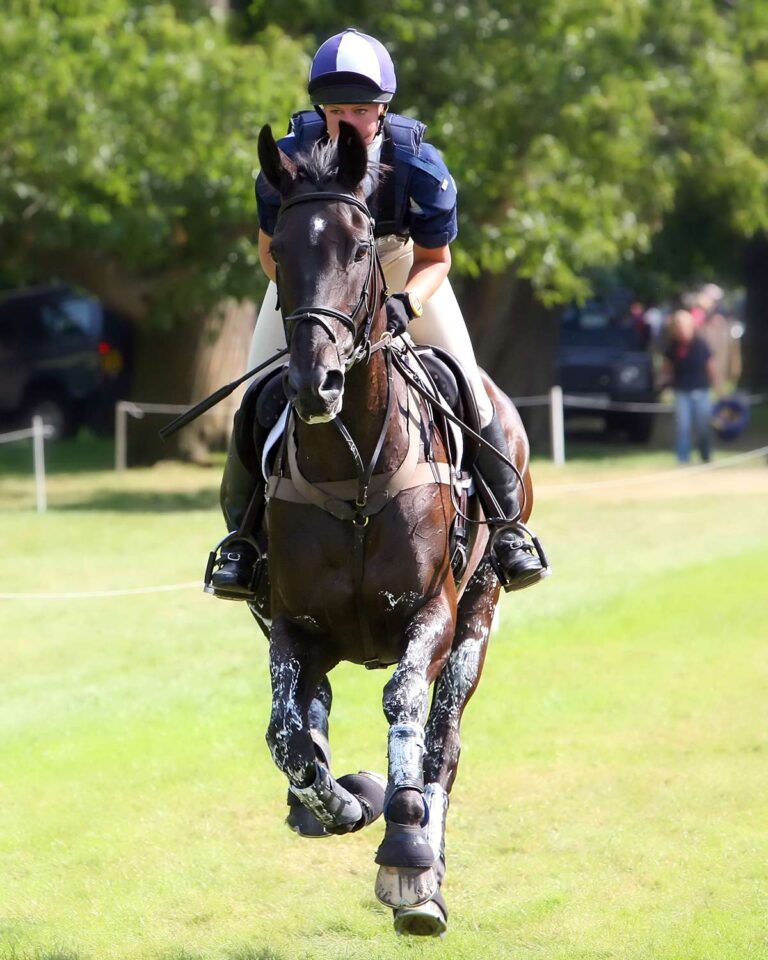
Should My Horse Exercise on an Empty Stomach?
Riding before your horse gets fed could put him at risk for gastric ulcers. Find out why.

Riding before your horse gets fed could put him at risk for gastric ulcers. Find out why.

Researchers found that firocoxib and flunixin meglumine provided similar levels of pain control after colic surgery, but firocoxib resulted in reduced evidence of endotoxemia at 48 hours post-surgery.

Measuring the biomarker creatine kinase in abdominal fluid can help distinguish horses with ischemic (lacking blood flow) intestine due to a strangulating lesion—and, thus, require surgery—from those without.

While physicians have used capsule endoscopy in humans for more than a decade, it’s only recently become commercially available on the veterinary market for dogs and shows promise for use in horses.

From infectious disease to microbial imbalance in the gut, causes of chronic diarrhea in horses run the gamut. And, veterinarians agree, finding a solution should be a methodical trial-and-error process.

Veterinarians and horse owners alike consider colic the most important equine health care problem in need of more answers.

A reader’s first-cutting hay brought in right from the field feels a bit damp. Our nutritionist explains why she should be cautious and how to tell if the forage is safe to feed her horses.

From when to administer ulcer medication to how to deal with recurring ulcers, veterinarians offer tips and tricks on managing this common horse health condition.

Dr. Rob MacKay shared presented research on ice boots and cryotherapy for laminitic horses, R. equi and insect bit hypersensitivity vaccines, EPM, and more.

Dr. Regina Turner shares the results of studies on antimicrobial options for metritis, treating blocked oviducts, estrus lengths and pregnancy rates, colic surgery in broodmares, and more.

Does your horse fling food all over his stall during meal time? Our nutrition expert shares some tips you can try to keep your horse’s enthusiastic eating behaviors from wasting feed.
The USDA APHIS Miami Animal Import Center, in Florida, temporarily stopped accepting new equine imports Jan. 19 due to a suspected salmonellosis outbreak.

Horses need access to fresh and unfrozen water during the winter months. Here’s what to remember.

Officials reported diseases including African horse sickness, equine influenze, strangles, EHV-1, EIA, and more.

When it comes to feeding your horses, don’t make the same mistakes you’ve made in the past in the new year.

Listen to audio features on equine metabolic issues, colic, hoof abscesses, parasite control, navicular syndrome, and more.
Stay on top of the most recent Horse Health news with
"*" indicates required fields