Top Equine Medicine Studies of 2018
Dr. Rob MacKay shared presented research on ice boots and cryotherapy for laminitic horses, R. equi and insect bit hypersensitivity vaccines, EPM, and more.

Dr. Rob MacKay shared presented research on ice boots and cryotherapy for laminitic horses, R. equi and insect bit hypersensitivity vaccines, EPM, and more.

Dr. Regina Turner shares the results of studies on antimicrobial options for metritis, treating blocked oviducts, estrus lengths and pregnancy rates, colic surgery in broodmares, and more.
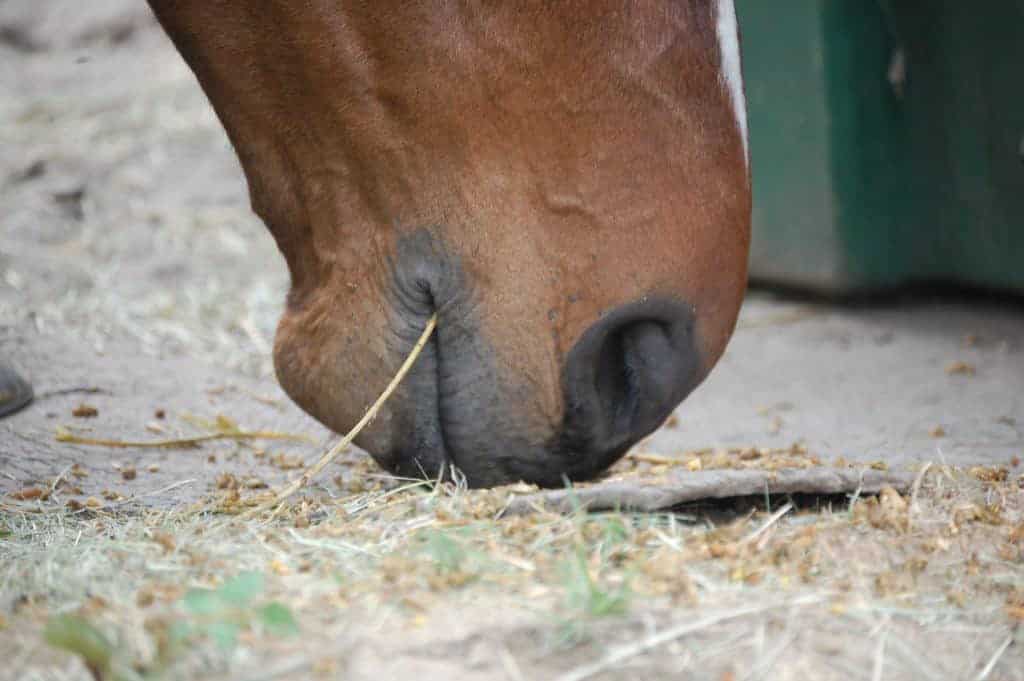
Does your horse fling food all over his stall during meal time? Our nutrition expert shares some tips you can try to keep your horse’s enthusiastic eating behaviors from wasting feed.
The USDA APHIS Miami Animal Import Center, in Florida, temporarily stopped accepting new equine imports Jan. 19 due to a suspected salmonellosis outbreak.

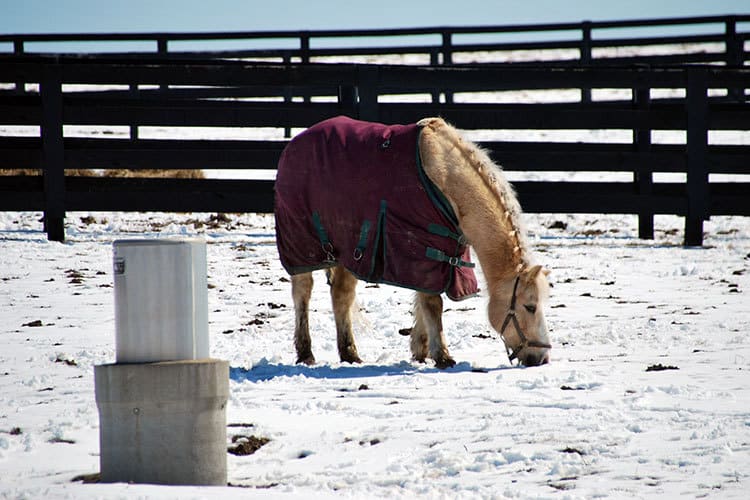
Horses need access to fresh and unfrozen water during the winter months. Here’s what to remember.

Officials reported diseases including African horse sickness, equine influenze, strangles, EHV-1, EIA, and more.

When it comes to feeding your horses, don’t make the same mistakes you’ve made in the past in the new year.

Listen to audio features on equine metabolic issues, colic, hoof abscesses, parasite control, navicular syndrome, and more.

Find videos on horse wounds, body condition scoring, equine gastric glandular disease, hoof adaptability, feeding sick horses, caring for old horses, and more.

Learn about colic, EPM, core vaccinations, biosecurity, donkeys, and more in our special features.

Being well-prepared for colic could mean the difference between life and death for your horse. Here’s what you need to know.

Fats serve many important functions for horses, from increasing calorie consumption to reducing gastric ulcer severity.

The bacterium Salmonella enterica can spread quickly between horses on a farm or in a hospital setting, causing significant financial and even equine losses. Here’s how one veterinarian recommends managing positive cases.

Dr. Amy Stieler Stewart is studying the potential therapeutic benefits of stem cells in colic cases.
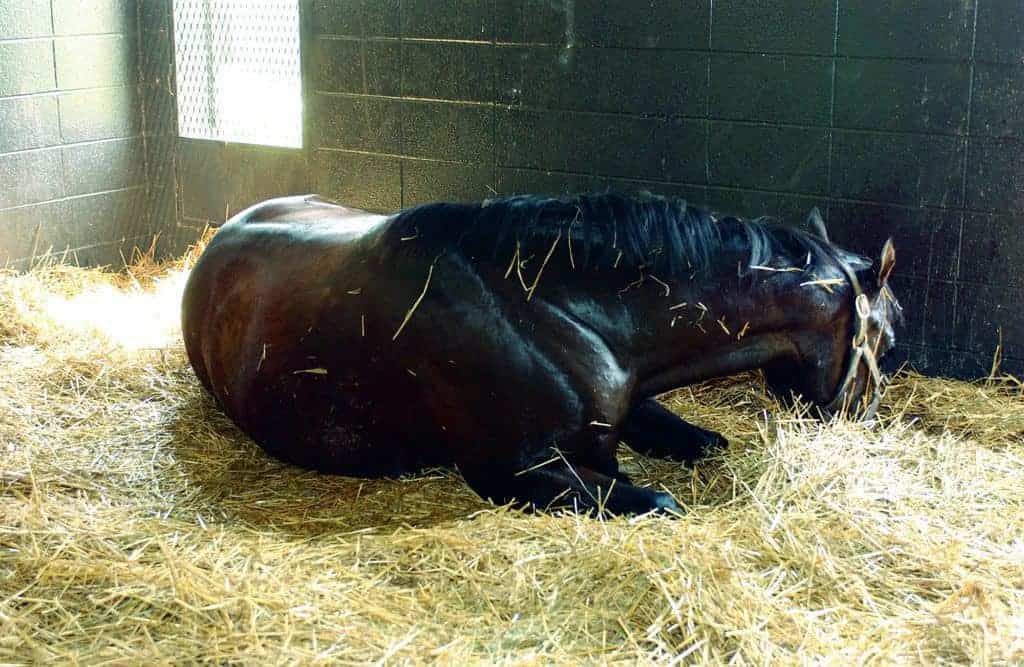
Carolyn Arnold, DVM, Dipl. ACVS, of Texas A&M University offers a better understanding of the gut microbiome’s role in colic and colitis.
Learn how to avoid and address impaction colic, a common cause of cold-weather emergency farm calls.