Gastric Ulcers in Horses: 30 Years of Research
In the past 30 years, researchers have made great strides in understanding gastric ulcers. Those findings and ones yet to be made can help improve horse health and welfare now and into the future.

In the past 30 years, researchers have made great strides in understanding gastric ulcers. Those findings and ones yet to be made can help improve horse health and welfare now and into the future.
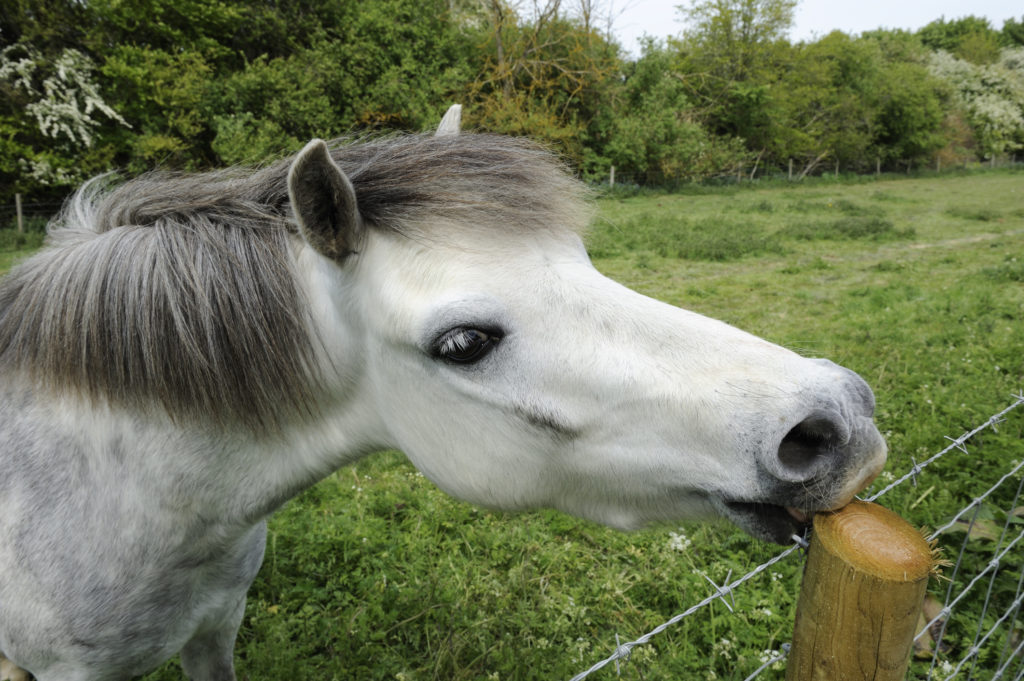
While wire ingestion was once considered a death sentence, researchers recently found that surgery can save some affected horses, especially if the foreign body is identified and treated early.

How to unravel the reason behind your horse’s head-scratching weight loss.

Veterinary technicians make important contributions before, during, and after colic surgery. Here’s how they help veterinarians and surgeons during these potentially life-saving procedures.
The equine kidney has a vital role in overall health, but a variety of disease processes can impair renal function.

Confirmed diseases include equine influenza, equine herpesvirus, piroplasmosis, salmonellosis, rabies, and more.
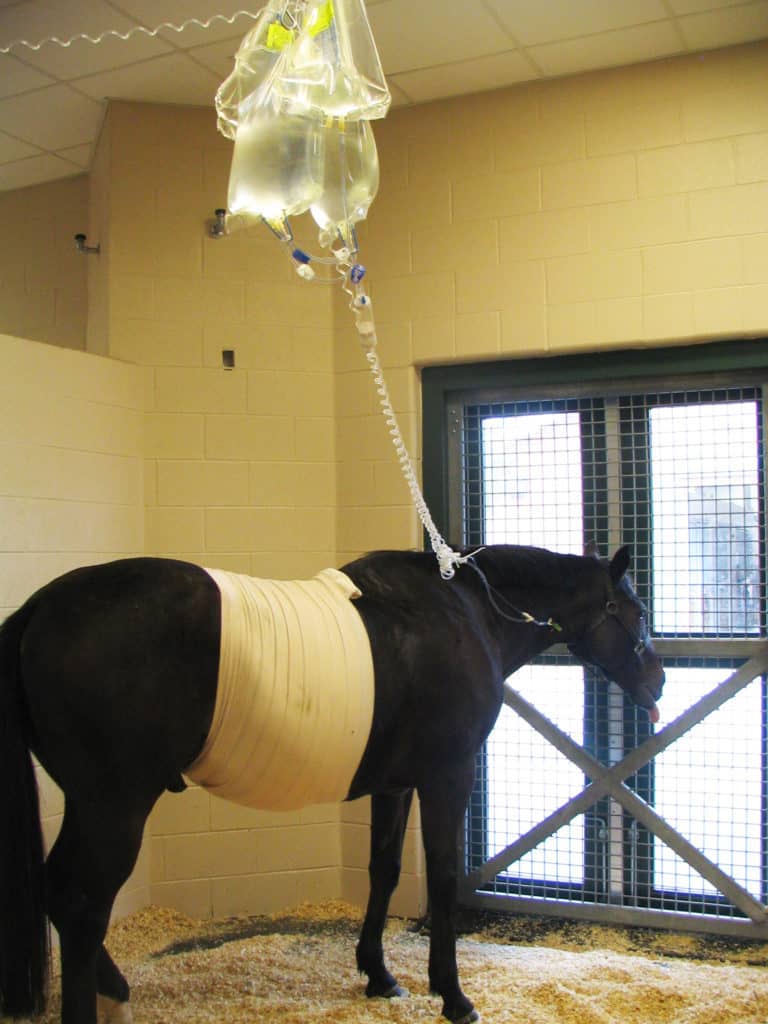
Researchers found that very ill horses with high glucose and insulin levels were more likely to survive, while those with high glucose but low insulin were more likely to die.

Researchers found that 58% of responding hospitals said they consult a nutritional adviser about feeding their patients and 21% reportedly feed all patients the same type of feed.

Surgical site infection risk had little to do with the amount or kind of bacteria present at the incision before, during, or after surgery, researchers found.

Find out which horses are at the highest risk for feed-related choke and what you can do to reduce that risk.

Switch your horse’s feed type or amount gradually to minimize his risk of digestive upset. Plan any nutrient-dense dietary changes carefully to avoid health problems such as colic or laminitis and to allow for maximum nutrient digestion.

Take steps to manage your horse’s weight and behavior while he’s cooped up.

Taylor Equine Hospital assistant Ali Harman’s dream job involves clinic cases, farm calls, and foal watch.
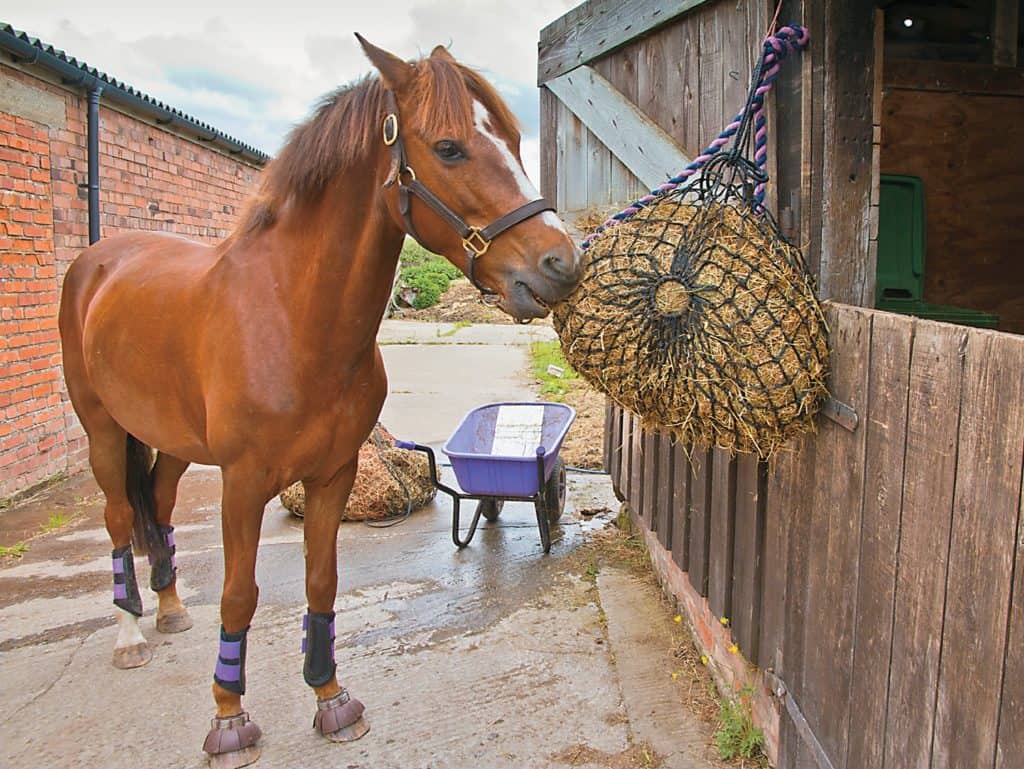
Common feeding practices could be causing your horse’s stomach acid levels to rise.
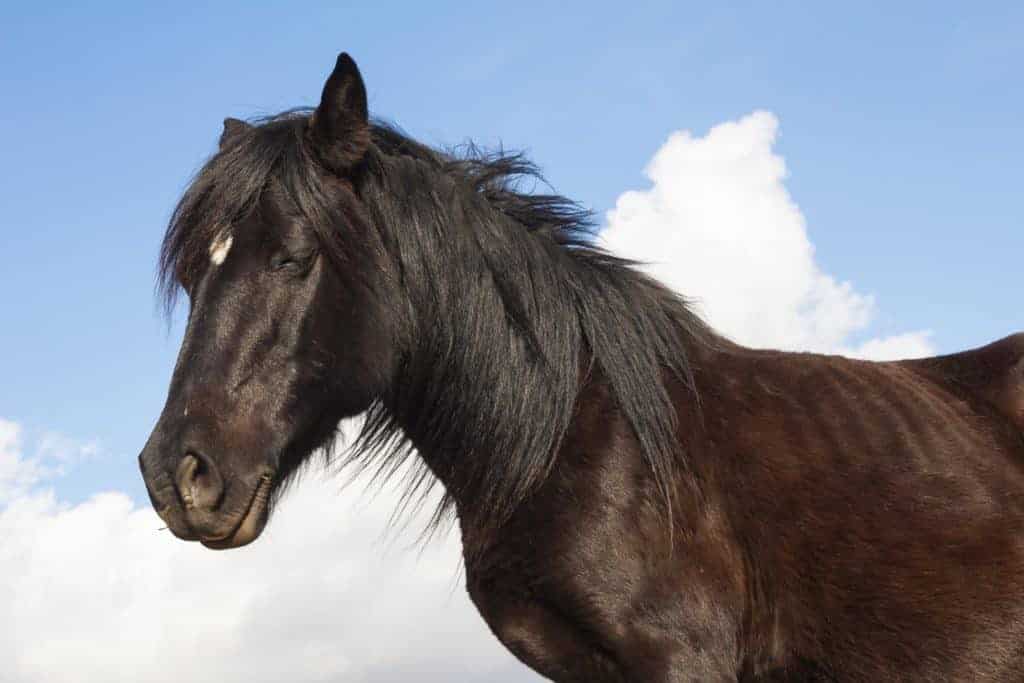
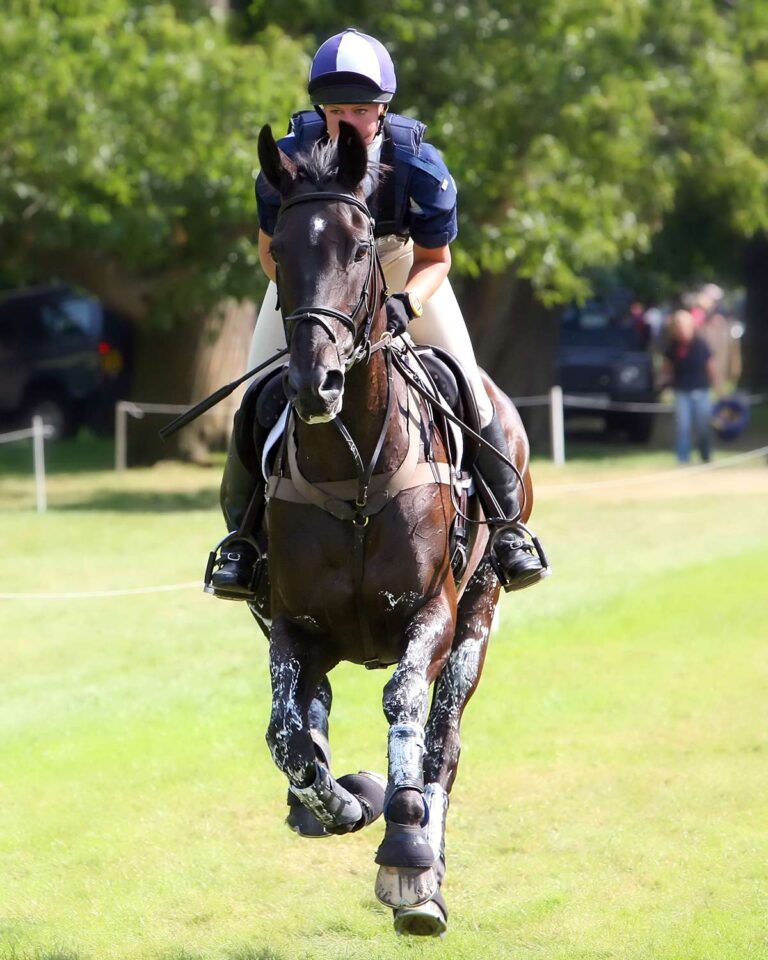
Horses that don’t compete aren’t immune to gastric ulcer formation. Here’s what to watch for.

Critical conditions such as colic, injuries, and dehydration can strike when you’re at a competition with your horse. Here’s how to handle them.