Impact of Dosage and Diet on Omeprazole Efficacy
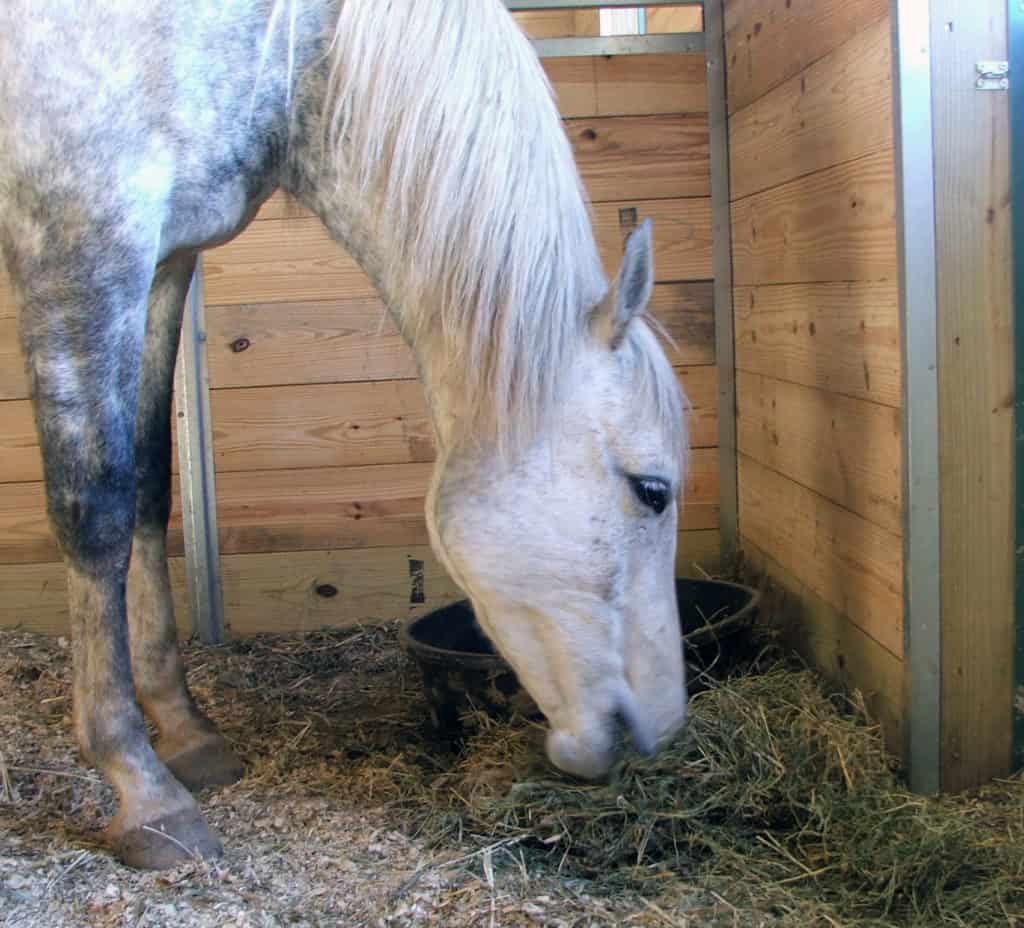
A brief period of fasting prior to omeprazole administration could help maximize drug absorption and, thus, efficacy.

A brief period of fasting prior to omeprazole administration could help maximize drug absorption and, thus, efficacy.

An ulcer is an area of damaged and eroded tissue that leaves behind a painful divot (think of a canker sore or a bed sore). In this special report, take a “closer look” at gastric ulcers, an all-too-common equine stomach condition.

An automated feeder that provides grain in multiple small meals throughout the day might help reduce the prevalence of gastric ulcers in horses in training.
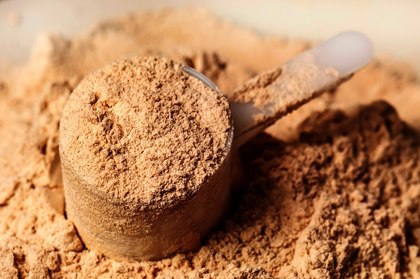
What do probiotics and their counterparts–prebiotics–do for horses? Here’s what the current research says.

A study shows that “ulcerated” horses didn’t seem to look or act significantly different from healthy horses.

Learn about special characteristics of each part of the horse’s digestive tract and different medical conditions that can develop there.
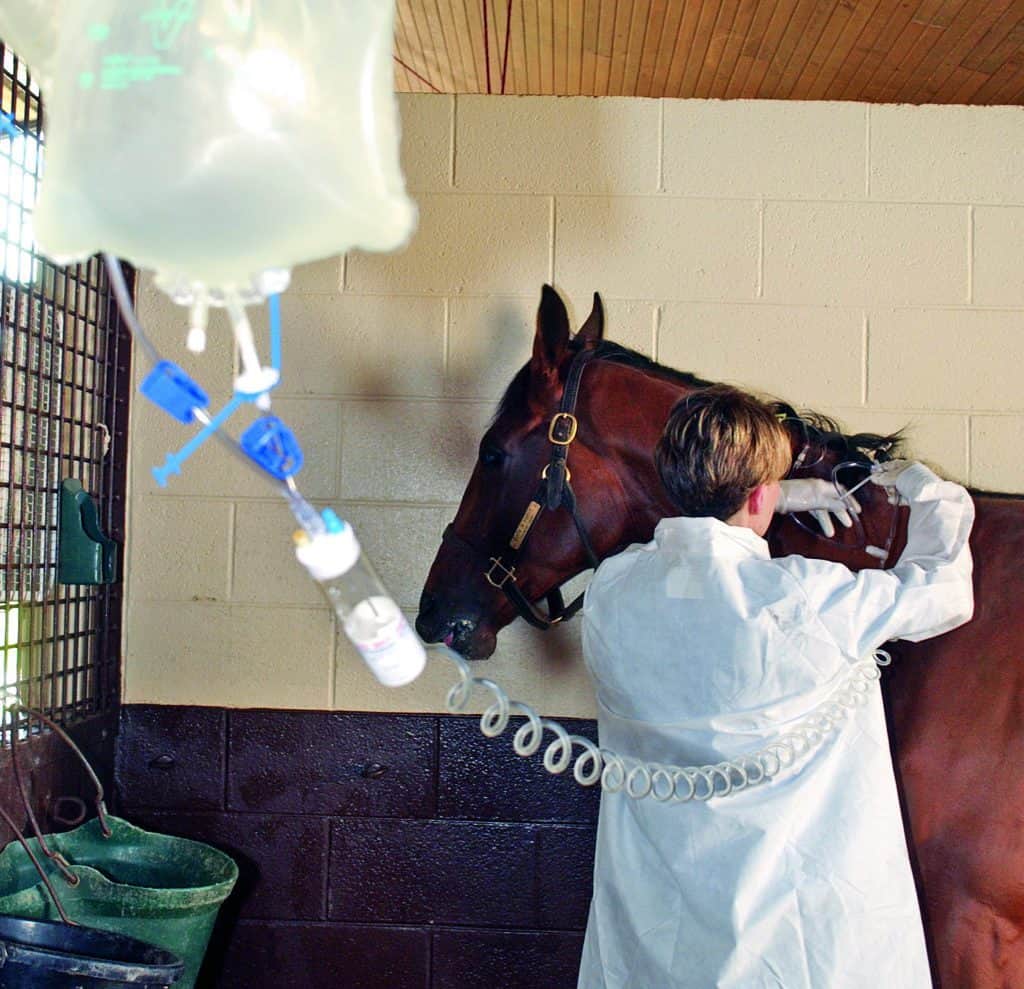
Theiler’s disease, or equine serum hepatitis, is an infrequent but sometimes life-threatening liver disease of adult horses.

While either the small or large intestines are usually the focus of colic discussions, the junction of the small intestine and cecum at the start of the large intestine—the ileocecal junction—also deserves mention.
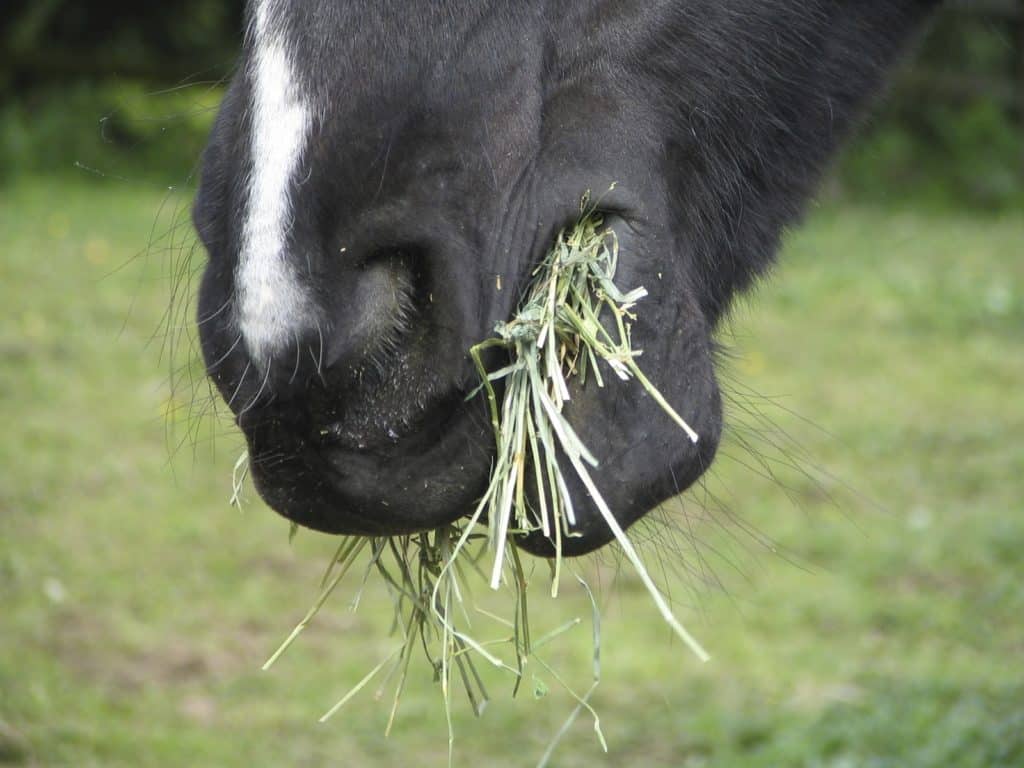
These findings help us better understand how and why horses’ teeth wear as they do, researchers said.
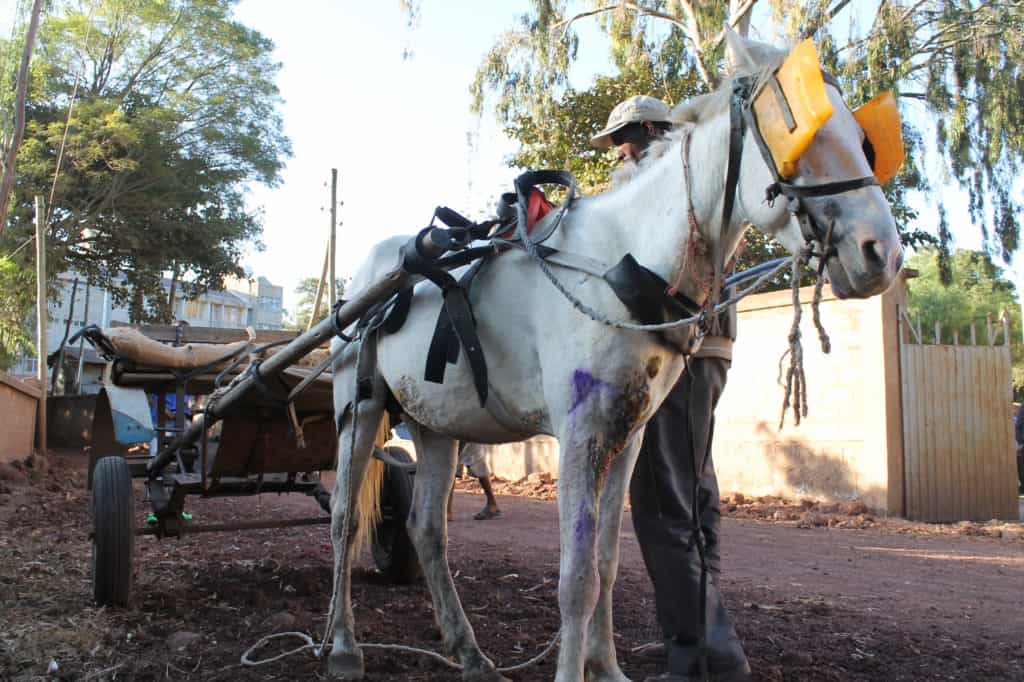
Colic incidence is relatively low, affecting only about 3% of the Kenyan equine population each year. But researchers say that figure doesn’t include many cases not reported to vets and treated with home remedies.

Find out why this grass is a popular hay for horses and how, in some cases, it might cause problems.
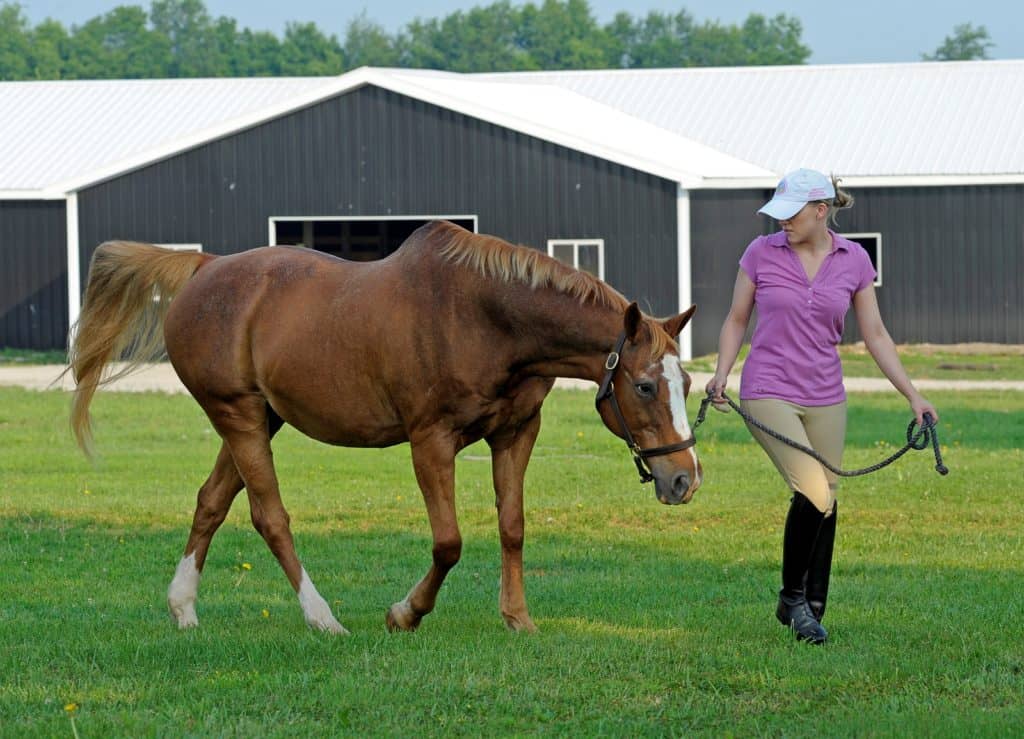
Colic often needs immediate veterinary intervention. Dr. Louise Southwood offers advice for rural horse owners who live far away from their veterinarians.

Drs. Anthony Blikslager and Louise Southwood describe the reasons why older horses are at risk for colic.

Post-foaling colic is a significant threat for mares. Dr. Anthony Blikslager describes what to look for and how to respond if your mare colics following foaling.

Dr. Anthony Blikslager reviews what to look for if you think your horse is colicking.

Most bloodworm-associated colic patients did not exhibit severe colic signs, which could make this potentially deadly condition difficult to diagnose, researchers found.