In The News: Coronavirus
Is equine coronavirus the same or similar to the disease currently making headlines for initially infecting people in China and other countries?

Is equine coronavirus the same or similar to the disease currently making headlines for initially infecting people in China and other countries?

A horse’s bloodwork isn’t back to normal after a bout with coronavirus. Leaky gut might be the culprit.

Learn about this highly contagious virus, how it spreads between horses, why it’s important to diagnose, ways to minimize chances of infection, and how to diagnose and treat the disease.

British researchers found more success treating EGGD with misoprostol than with a combination of omeprazole and sucralfate, known to effectively treat squamous ulcers.
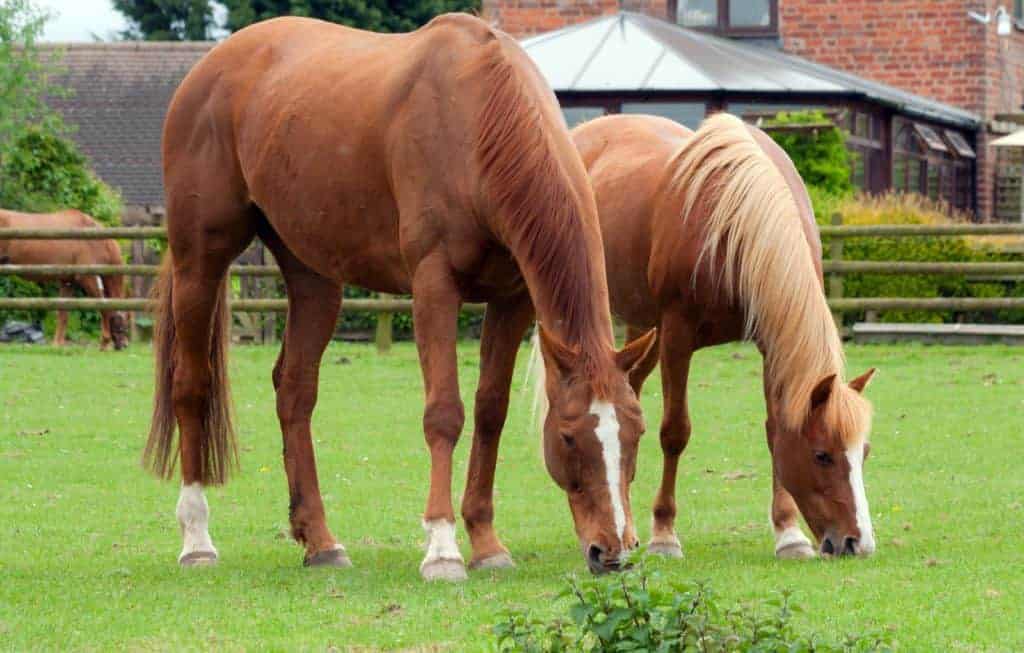
Researchers investigated whether microbiome composition could be breed-specific and, therefore, influence horse health and behavior.

While it can be unsettling to think about all the possible scenarios, planning before colic happens could save your horse’s life.

Equine coronavirus is a relatively new discovery in equine medicine. Here’s what you need to know about this pathogen.
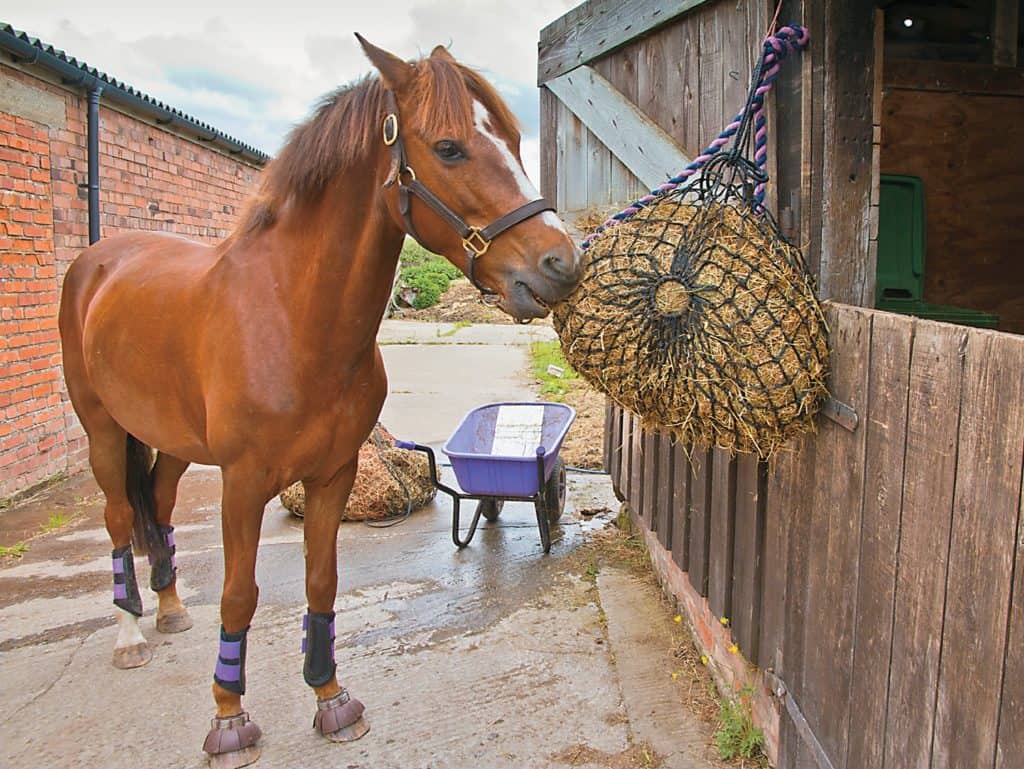
Horses with conditions such as muscle or metabolic disease might have special hay needs to stay healthy.
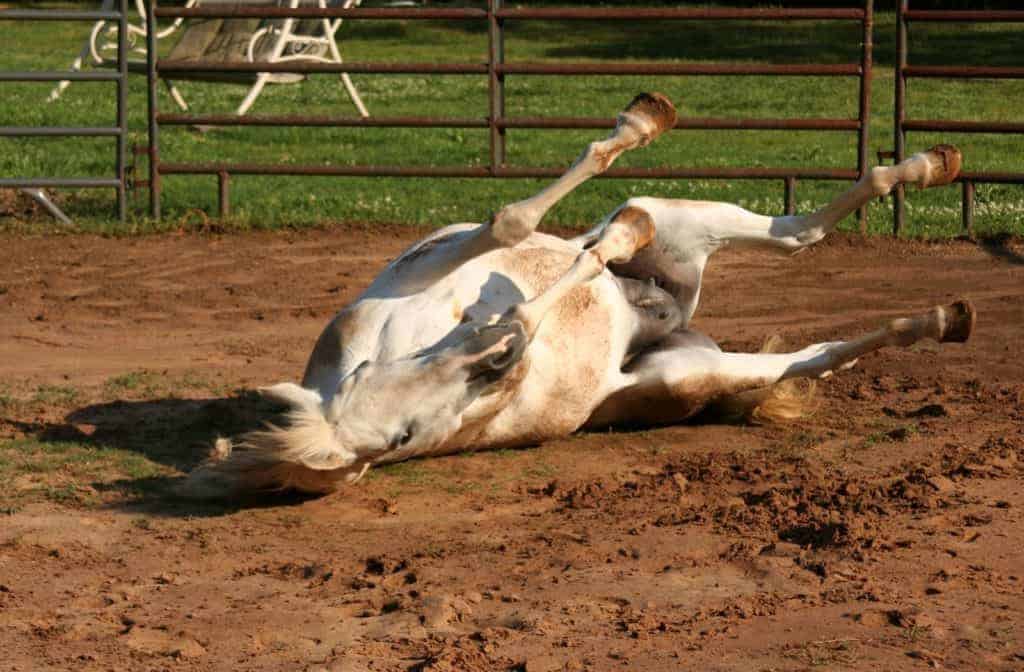
Dr. Bryan Waldridge, who treats retired champion racehorses at Old Friends, shares specifics about the types of colic that are more common as horses age.

An equine critical care specialist shares advice for dealing with a colic while waiting for your vet.

Find out how to keep your middle-aged horse’s teeth, feet, joints, and more healthy.

A new study looks at age as a predisposing factor for post-operative nasogastric reflux and mortality.

More than four hours without feed is fasting for a horse and can lead to issues. The solution for evening feeding? Slow feeders extended nighttime “grazing” time by 95-105%, researchers observed.

Here’s how to react if your horse consumes feed designed for another animal.

Stress not only leads to stereotypical behaviors and high cortisol (stress hormone) levels but also disrupts the horse’s gastrointestinal (GI) system and microbiome.

Studies have shown a lunar influence on humans and animals, from fertility levels to hormone fluctuations to immune response. More research into its effect on equine colic, however, needs to be done to make a strong association.