June Designated as Colic Awareness Month
Crusade Against Equine Colic was founded to prompt discussions about the potentially deadly disease.

Crusade Against Equine Colic was founded to prompt discussions about the potentially deadly disease.

Digital radiography is up to 85% sensitive and 93% specific for diagnosing enterolithiasis in horses.
The study on Lawsonia intracellularis involves 14 Thoroughbred farms and 600 Thoroughbreds in Kentucky.

Understanding ailments older foals can develop and treatment options increases the patient’s survival chances.

Colic survival rates have improved greatly over the years, but timely treatment and diligent aftercare still a
Researchers find large intestinal thickening could indicate multiple diseases in addition to colic.

Why do some horses seem predisposed to experiencing colic episodes? And, if your horse has colicked in the past, what can you do to help prevent it from happening again?
Ask the Vet LIVE Podcast recording for post-colic care is now archived.

Electrolyte use and gastric emptying, nonstructural carb tolerance in healthy horses, and nonstructural carb tolerance in healthy horses, and Lawsonia intracellularis, are included in this wrap-up from the 2011 AAEP Convention.
Researchers compared different suture materials’ integrity for closing abdominal incisions from colic surgery.
Tune in on Thursday, March 15, 8 p.m., EDT, for TheHorse.com’s free Ask the Vet LIVE audio and chat event.

The Lembert single layer pattern is faster, stronger, and less likely to impede the intestinal flow.
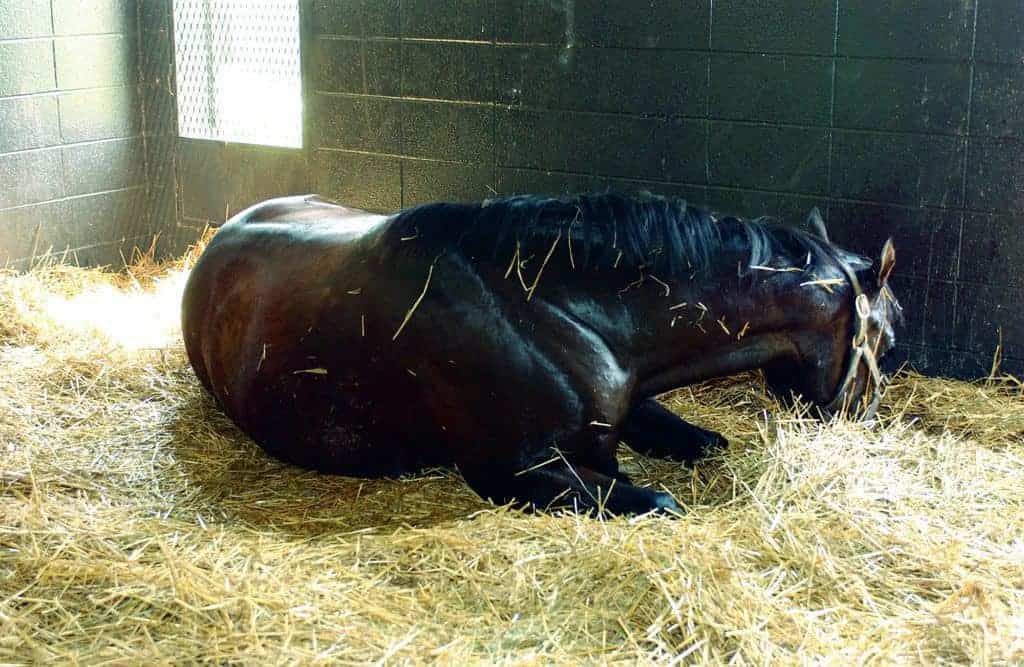
Horse owners should be prepared to make decisions about managing serious colic without the option of referral.
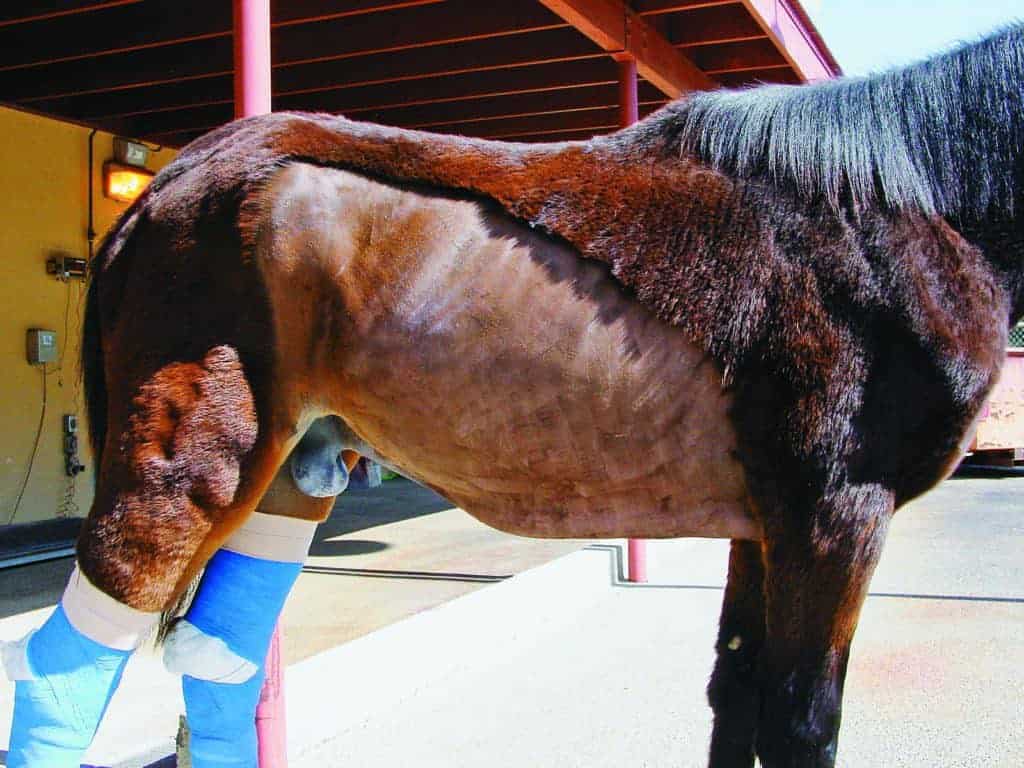
No adverse reactions to the vaccine were noted and fewer than 2% of the weanlings exhibited signs of disease.
The panel’s report identified future research priorities for the study of equine colic.

Buscopan has been accepted as effective treatment for simple choke in other countries for 40 years.