Are Stabled Horses at Increased Risk for Developing Colic?
Researchers found the frequency of intestinal contractions was lower in stabled horses than pastured horses.

Researchers found the frequency of intestinal contractions was lower in stabled horses than pastured horses.

Researchers discuss the first case in which surgery to permanently prevent a renosplenic entrapment failed.
Awesome Again returned home after undergoing colic surgery Sept. 13 at Rood and Riddle Equine Hospital.
Awesome Again is recuperating from colic surgery performed Sept. 13 at Rood & Riddle Equine Hospital.
Hepatic lipidosis (fat deposits in the liver) proves fatal for 40% and 80% of affected ponies and horses.

Salmonellosis and colitis–two equine ailments that are commonly associated with each other–are a bit like the chicken and the egg: you don’t always know which came first, according to Jamie DeFazio, CVT, VTS-EVN.
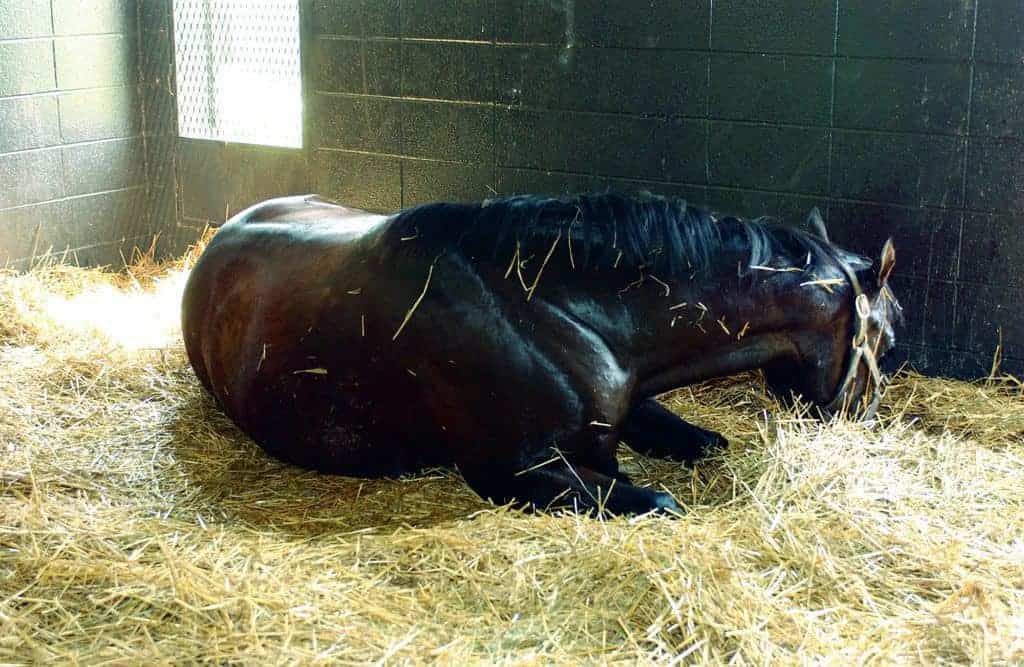
Certain parts of the horse’s digestive tract are associated with higher risks of developing colic.
When a horse needs surgery, what’s his prognosis for a full recovery? What problems can occur during recovery?
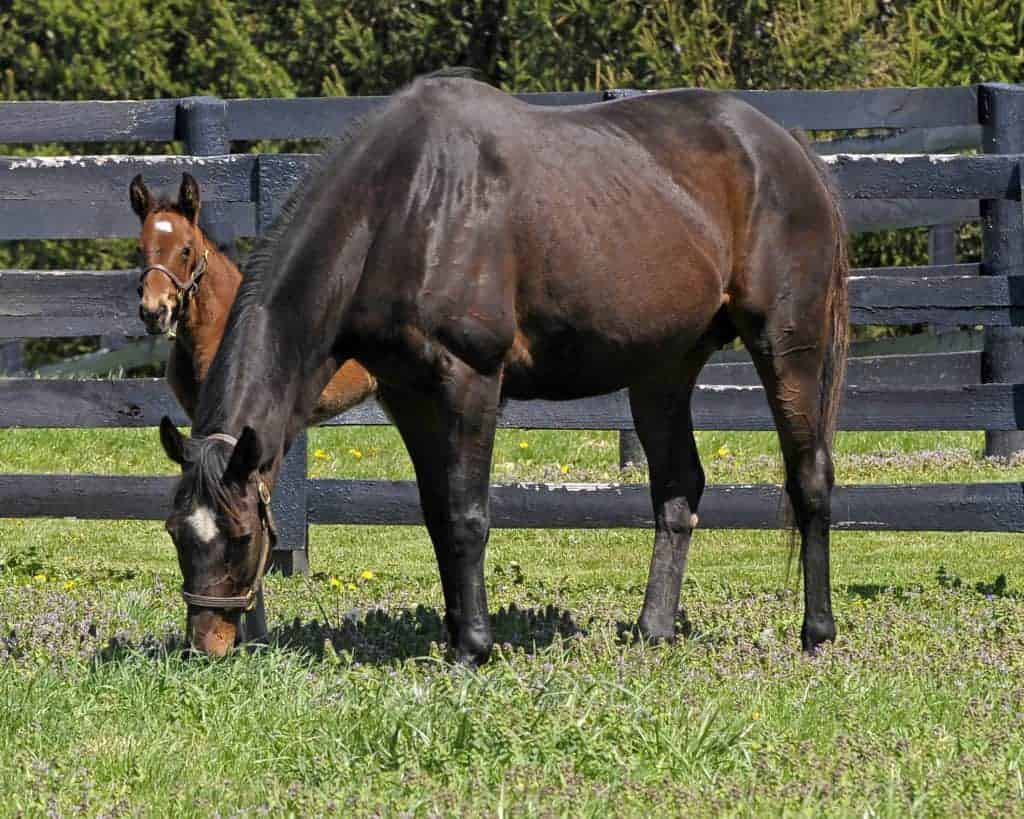
Peripartum colic is a common but sometimes life-threatening complication often seen in broodmares.
While swimming-induced colic does occur, it doesn’t happen as frequently as some might have thought.

Special considerations should be made when evaluating a colicky foal as opposed to an adult horse.
University of Florida (UF) veterinarians are advancing knowledge about equine colic.
What are the most important things to consider and employ when dealing with a horse affected by chronic colic?
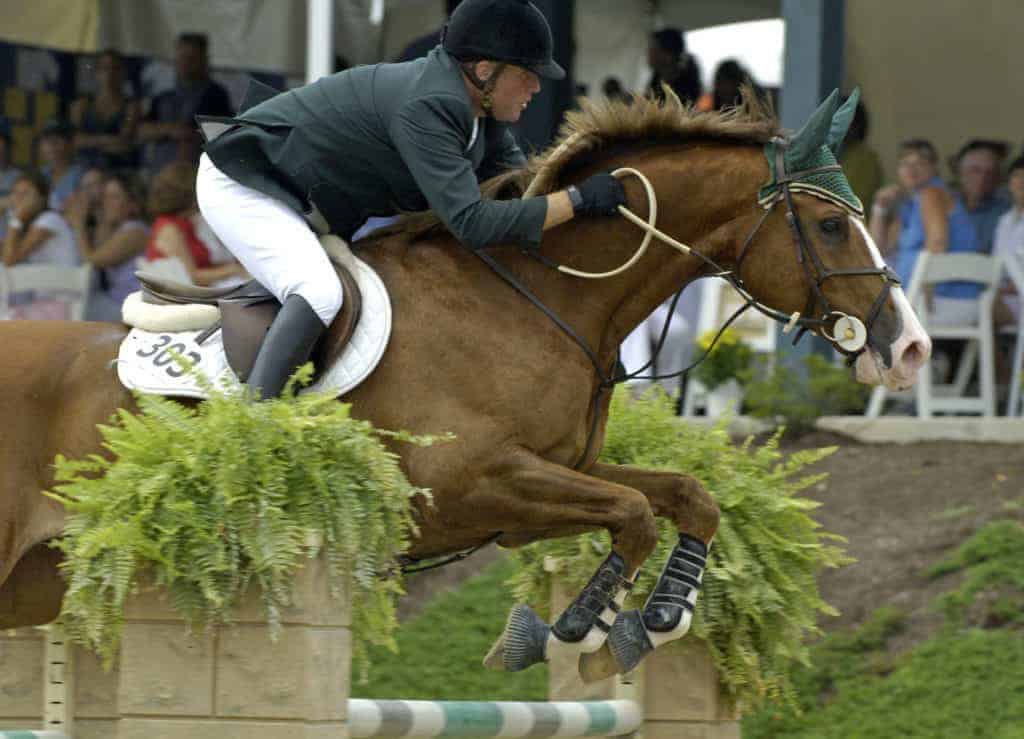
Recent studies show that gastric ulcers occur in a surprisingly high percentage of performance horses.
What factors do veterinarians look for when deciding whether to refer a horse to a hospital for colic surgery?
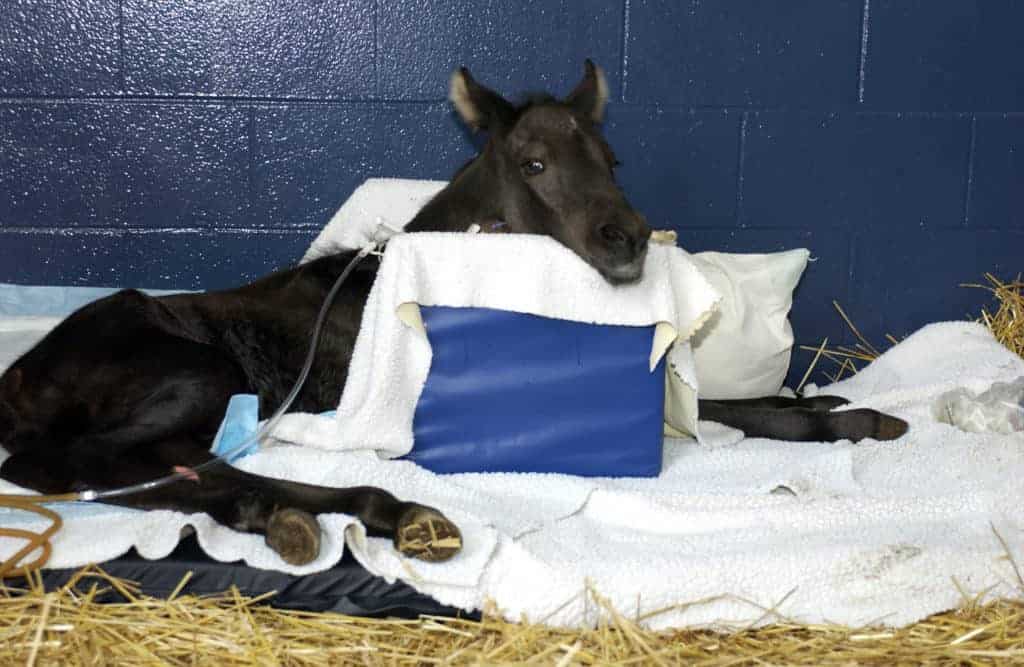
Meconium impaction, ulcers, diarrhea, and other GI problems can arise in foals.