The Aging Horse
We’ll explore how the horse’s body systems age and what to look out for in your equine senior citizen.

We’ll explore how the horse’s body systems age and what to look out for in your equine senior citizen.
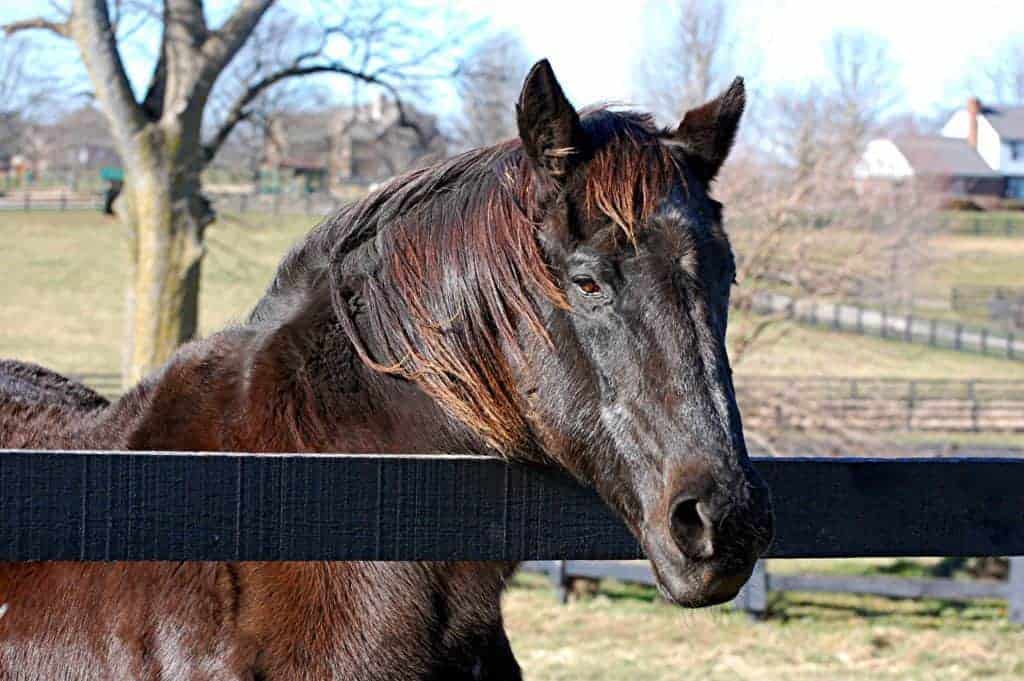
Researchers examined the top reasons for death and euthanasia in older horses.

Horses rarely experience liver failure, but when they do it’s important to diagnose and treat them quickly.

Adjusting what a horse consumes can help prevent or squelch some equine ailments.
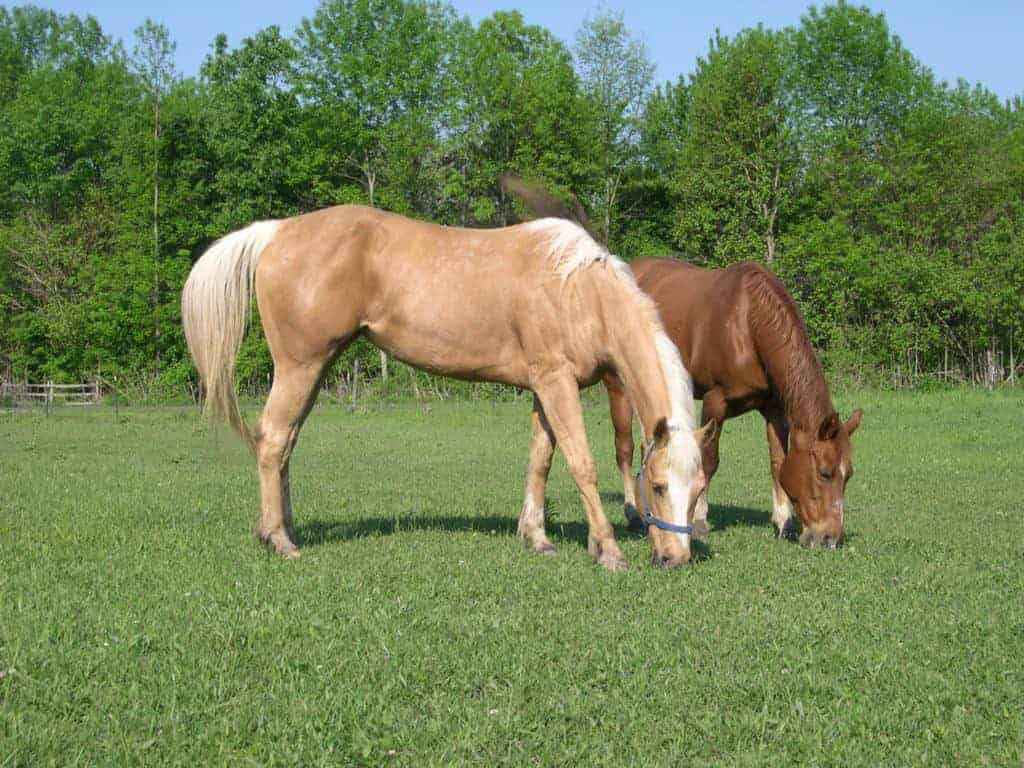
Could a healthy horse in one’s own backyard be a disease risk for other horses?
One of the most dangerous organisms that can sicken horses is the bacterium Clostridium difficile.
Merck’s animal health division, formerly known as Intervet/Schering-Plough Animal Health, announced effective
The blood level of a specific enzyme could indicate a strangulated intestine at presentation, allowing quicker
Early Kentucky Derby favorite Uncle Mo was recently diagnosed with cholangiohepatits, a rare condition in
Gastric ulcer syndrome can be time-consuming and expensive to treat. Learn how to use nutrition to manage
Uncle Mo continues to exhibit positive signs of improving health and is on target to resume light training in
Horse owners and vets must use antimicrobials responsibly to help reduce bacterial drug resstance.
The American Association of Equine Practitioners’ to host joint meetings, “Focus on Colic” and “Business
The American Association of Equine Practitioners (AAEP) Foundation will host the 10th International Equine Colic Research Symposium, July 26-28, 2011, in Indianapolis, Ind. The symposium, held every three years, alternating between Europe and North
Colic and its causes are part of most owners’ horse care vocabulary–an intestinal twist, sand accumulation, or gas buildup might be among the familiar events leading to equine abdominal pain. But owners might not be aware of another, less-frequent