Nutrition Considerations When Importing Horses From Europe
Learn about feeding your new horse during transport, quarantine, and the first few weeks at his new home.

Learn about feeding your new horse during transport, quarantine, and the first few weeks at his new home.

Researchers linked specific behaviors to gastric disease in horses, which could help owners spot signs early and seek veterinary diagnosis and treatment.

Here’s how equine veterinary clinics institute strict biosecurity measures to contain, prevent, and control disease outbreaks.
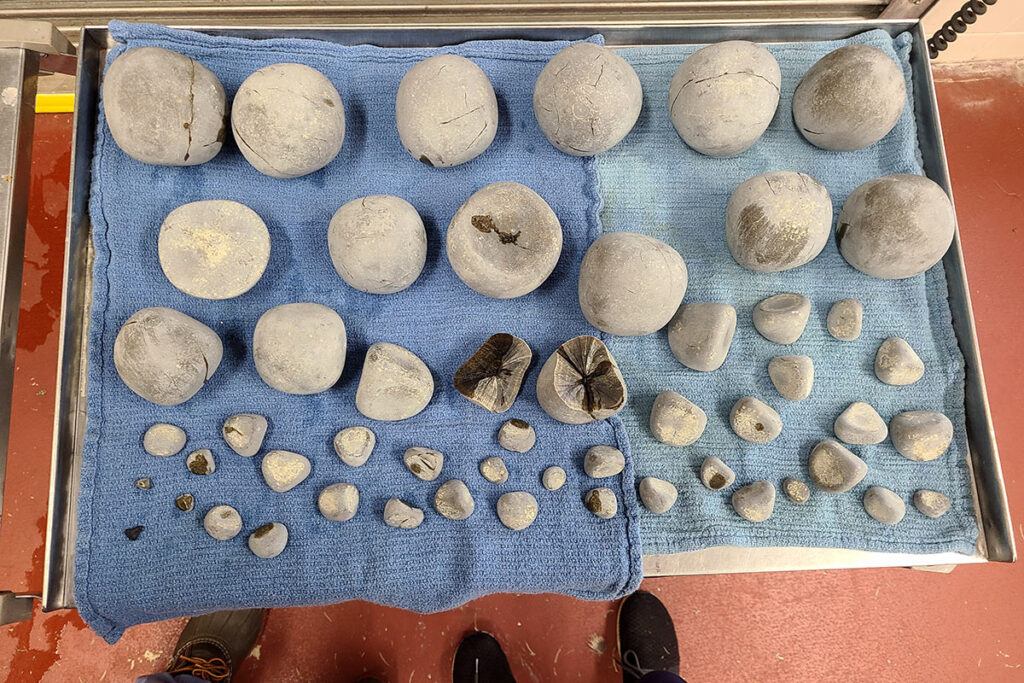
What are enteroliths and what happens if your horse has one (or several)?

Veterinarians administer risk-based vaccines based on a horse’s potential to contract certain diseases.

One reader wants to know how she can manage her metabolic horse that is also prone to gastric ulcers. Here’s what she should consider.

Post-foaling, this type of colic can be life-threatening to broodmares and their foals.

Find out why your horse might be more prone to impaction colic during winter and how you can reduce the risk.

Researchers found that a schizophyllan and hyaluronan supplement might help veterinarians and owners manage EGUS.

The guidelines provide updated insights on the transmission, diagnosis, and management of 2 viral causes of liver disease in horses.
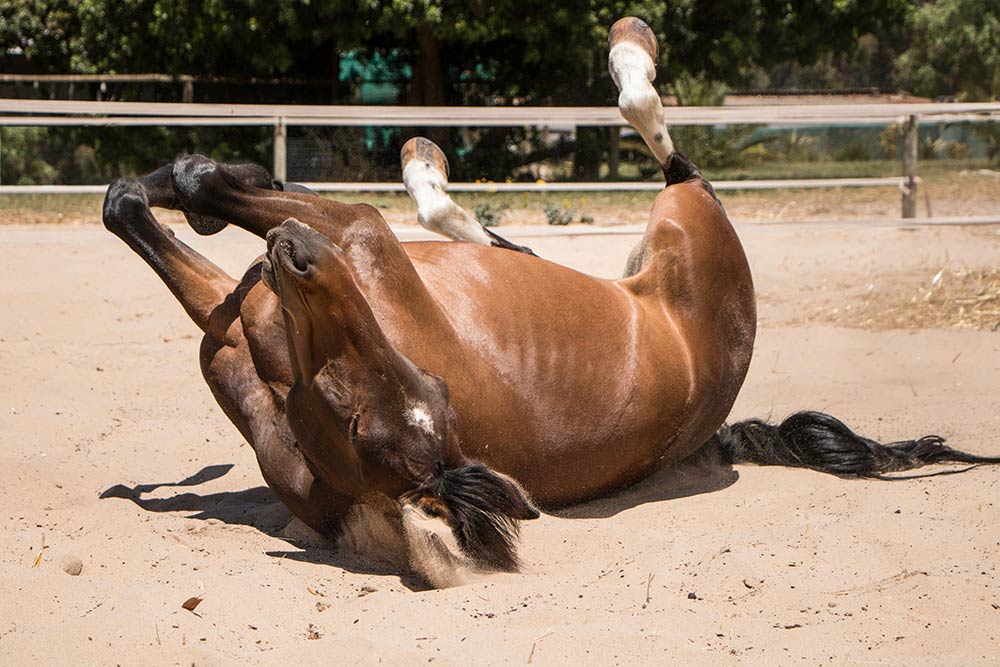
Don’t take a wait-and-watch approach when it comes to this common cause of colic in older horses.

Horses give us plenty of cues when they’re dealing with early illness. To help you recognize them and intervene accordingly, here is a 10-point list of warning signs.

An equine nutritionist shares tips to reduce impaction colic risk in senior horses, focusing on hydration, digestion, proper feeding practices, and more.

Here’s how you can recognize the early signs and risk factors for EGUS, and how veterinarians diagnose and treat the condition.

Horses with certain health conditions should skip sweet treats. Find out if your horse is one.

Dr. Patty Graham-Thiers describes the safest ways to help a horse lose weight without overrestricting his forage intake and increasing his risk of gastric ulcers.