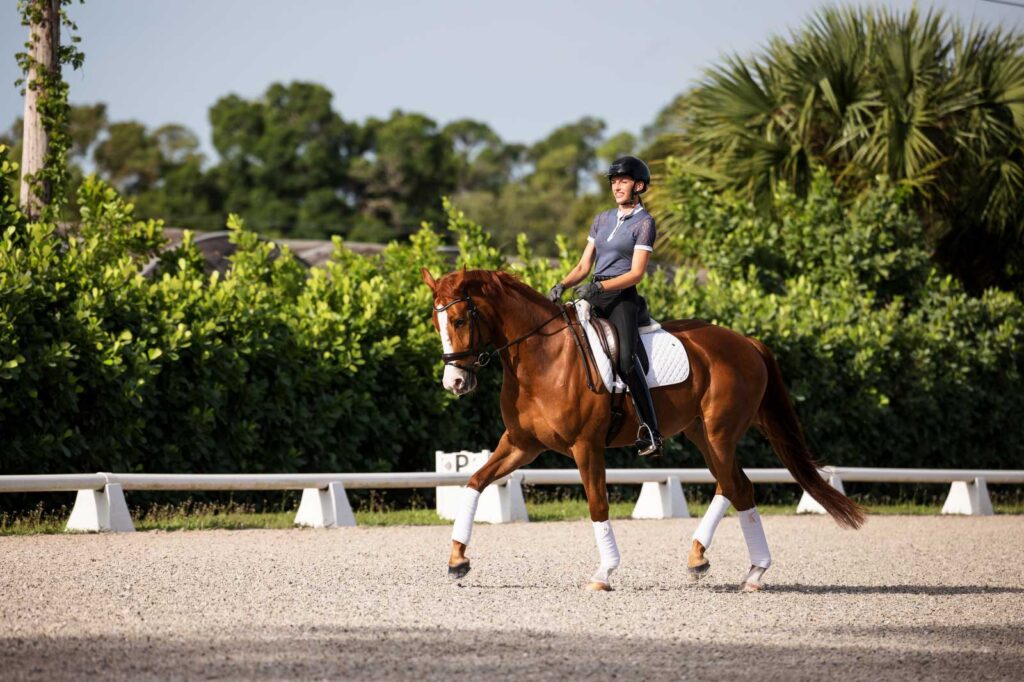
What Horses Are Most Likely to Develop Gastric Ulcers?
Find out what breed, discipline, and behavior factors might make a horse more susceptible to developing gastric ulcers.

Find out what breed, discipline, and behavior factors might make a horse more susceptible to developing gastric ulcers.

Late in pregnancy, mares’ abdominal space is limited, and they can experience colic.

Learn the difference between equine squamous gastric disease and equine glandular gastric disease. Sponsored by Kelato.

An equine internal medicine expert explains how owners can manage horses with free fecal water syndrome, especially during winter.

Learn about 14 types of colic, or abdominal pain, in horses and their prognoses.
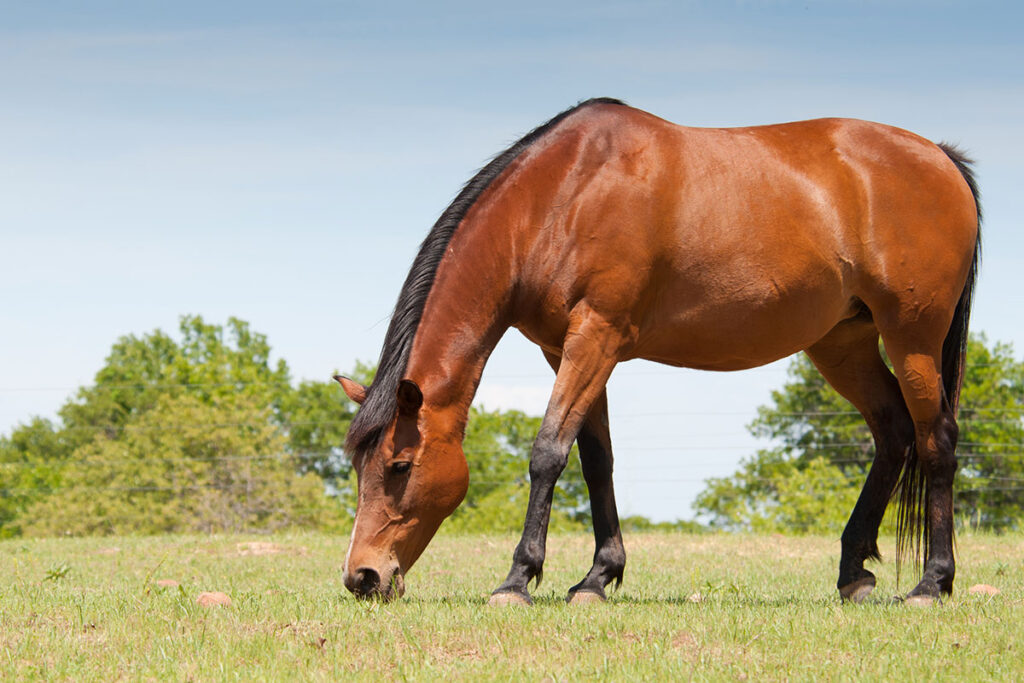
The horse’s gut microbiome could influence gastric ulcers, and while researchers have found microbial shifts with disease, their role remains uncertain.

Common advice tells us not to feed horses before exercise. But this outdated belief might be hurting your horse.

Veterinarians describe 9 common causes of poor performance in horses and what it takes to get a diagnosis.
Equine hepatitis viruses EqHV and EqPV-H can cause chronic or acute liver disease in horses. Early diagnosis, biosecurity, and prevention are key.
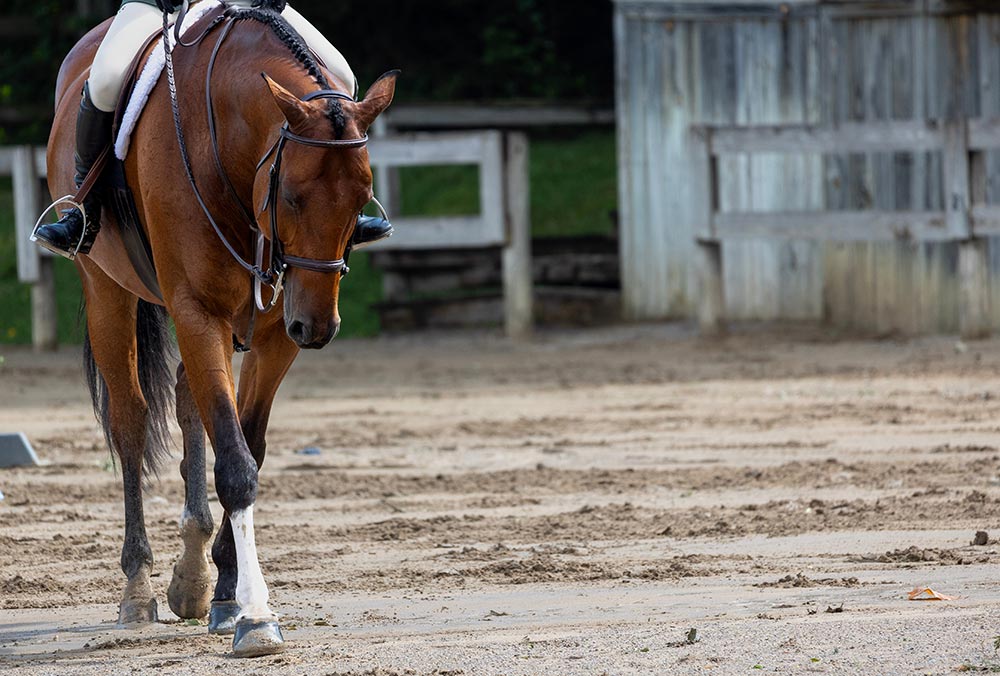
Here’s what researchers know about the role biomarkers might play in predicting and monitoring equine gastric ulcer syndrome.
Equine gastric ulcer syndrome (EGUS) can only be definitively diagnosed through gastroscopy by a veterinarian. Sponsored by Endoscopy Support Services.

Five veterinary experts discuss the latest in diagnosing, treating, and preventing equine gastric ulcers in this roundtable. Sponsored by Boehringer Ingelheim.
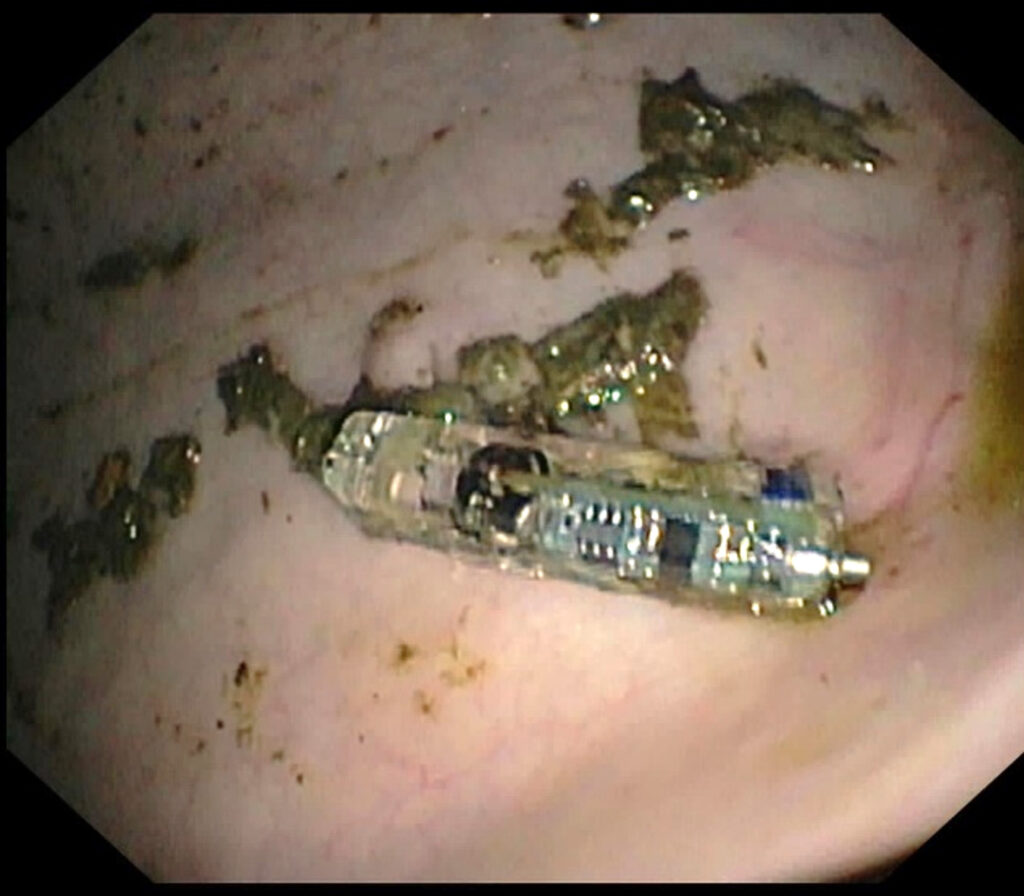
This capsule gives veterinarians and researchers a noninvasive way to track ulcer treatment progress in horses without repeated scoping.
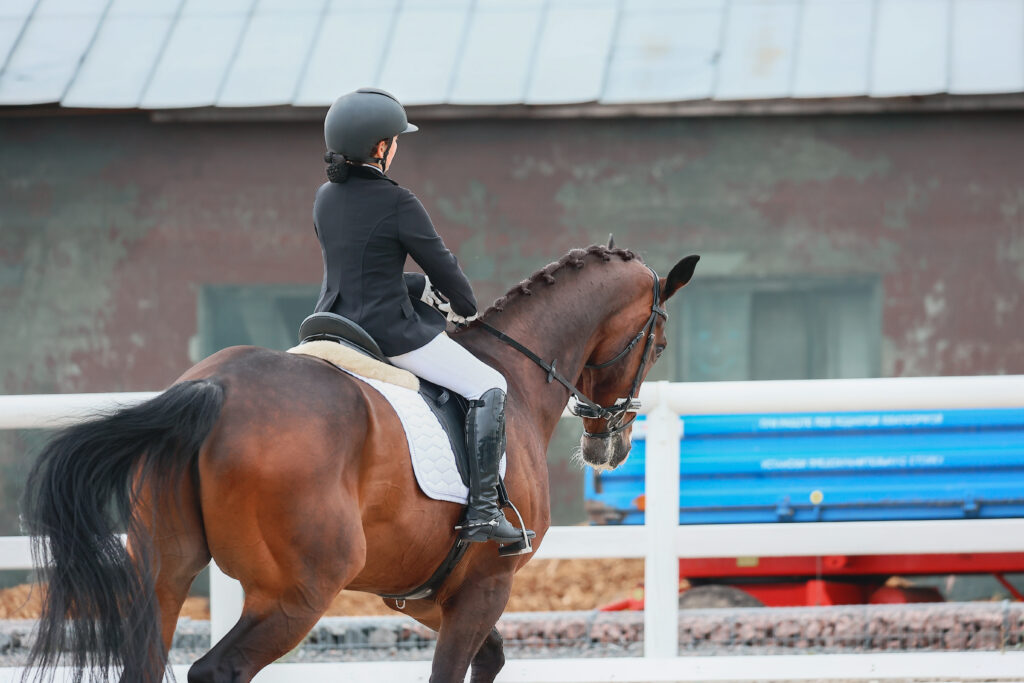
Equine gastric ulcers often go unnoticed, especially in subclinical cases. Subtle signs can offer clues, while researchers explore biomarkers for future screening.

Learn about the more subtle signs of pain horses might express as undesirable behaviors and how veterinarians can pinpoint the cause.
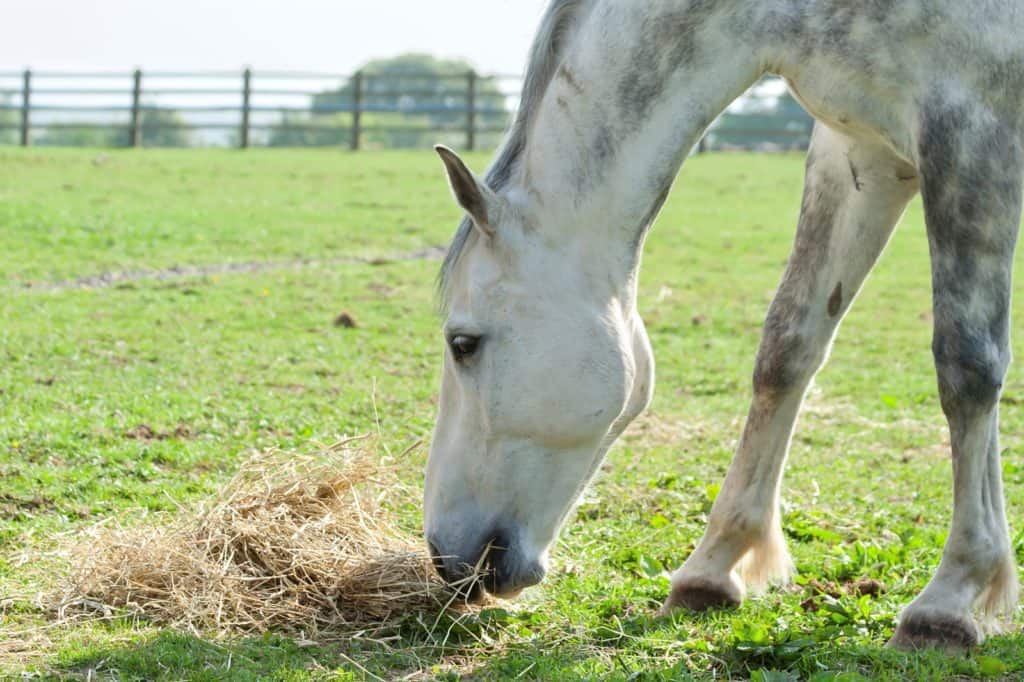
Learn about feeding your new horse during transport, quarantine, and the first few weeks at his new home.