Horse Owner and Veterinarian Decision-Making on Critical Cases of Colic
Researchers in the U.K. say finances, emotion, and logistics all affect the outcome in cases of severe colic in horses.

Researchers in the U.K. say finances, emotion, and logistics all affect the outcome in cases of severe colic in horses.
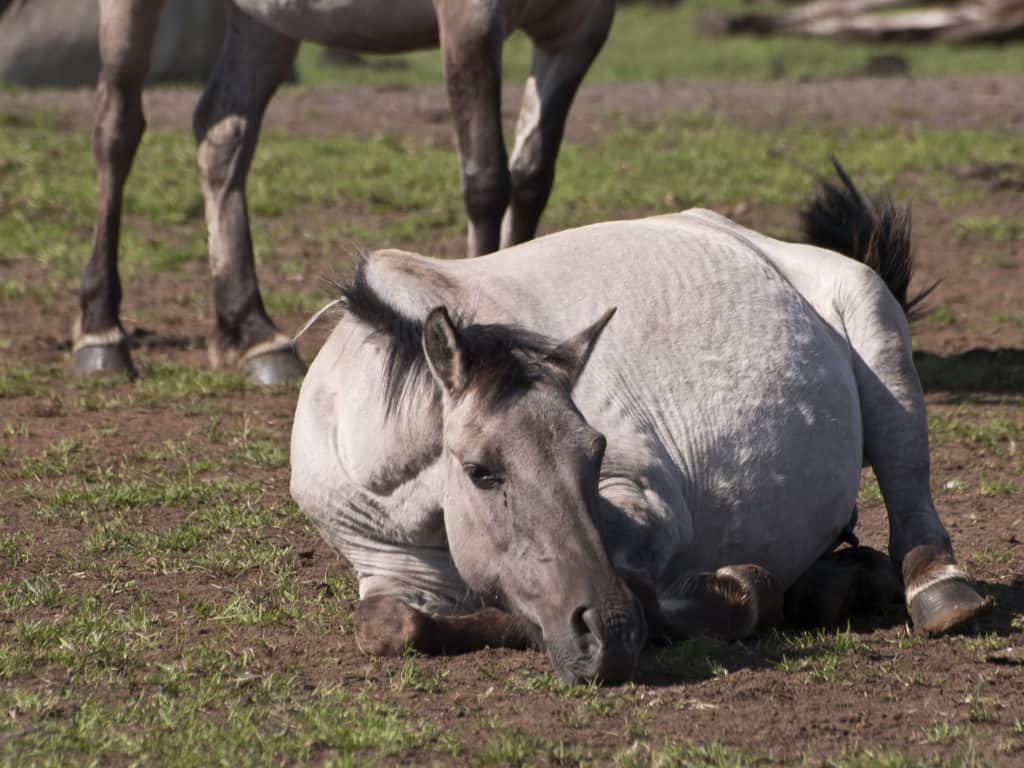
Many conditions besides colic can cause coliclike signs. And with colic, delayed treatment or misdiagnosis can have serious consequences. Here’s what you need to know.

When faced with the decision of whether or not to send your senior horse into colic surgery, consider these factors.

Dr. Kelly Vineyard describes the best ways to help an older horse with poor dentition gain weight without putting him at risk of choke or GI problems.

Probiotics might help reestablish healthy balances in the horse’s gut microbiome without causing harm.

Freezing and storing fecal microbiota transplant product in saline and glycerol might maintain the most viable microbial communities for horses with intestinal problems.

One expert describes the best way to manage horses with a history of squamous and glandular ulcers and how to prevent recurrence.

Researchers investigated fecal sample analysis as a noninvasive alternative diagnostic method for IBD in horses.

Antimicrobial-resistant infections continue to challenge veterinarians and compromise horse health. Here’s what practitioners are doing to curb it and how you can help.

Researchers say a high-fiber diet can help improve the health of your horse’s gut microbiome. Here’s what you need to know.

Behavioral issues in horses often stem from underlying physical problems, requiring careful evaluation to identify and address root causes.

Colic surgery outcomes aren’t guaranteed, but acting quickly reduces risks, and mild complications occur far more frequently than serious ones, if at all.

Taking a whole-horse approach to preventing gastric ulcers might be the best way to improve your horse’s health and well-being. Here’s why.

Performance horses’ lifestyles put them at a greater risk of developing gastric ulcers. An equine nutritionist explains how to combat this.

Learn how to craft a diet for the horse with painful lesions in his stomach.

An owner asks for help feeding her mare who needs to gain weight but is proving to be a picky eater. An equine nutritionist shares some advice.