Sand Colic in Horses: Diagnosis, Treatment, and Prevention
Sand accumulation in the horse’s gut can lead to obstructions, irritation, and signs of colic, weight loss, and diarrhea.

Sand accumulation in the horse’s gut can lead to obstructions, irritation, and signs of colic, weight loss, and diarrhea.

Glandular ulcers involve different risk factors and treatments than squamous ulcers. To help, address an affected horse’s exercise frequency, stress, and environment.

Researchers examined the relationship between gastric ulcers and the microbiome in the lower portion of the horse’s stomach.

Learn about the distinctions between squamous and glandular disease and how to help your horse avoid painful gastric ulcers.

Rotaviral diarrhea is a life-threatening disease that usually affects foals younger than 6 months.

Research shows slight shifts in the horse’s intestinal microbiome can have far-reaching effects.
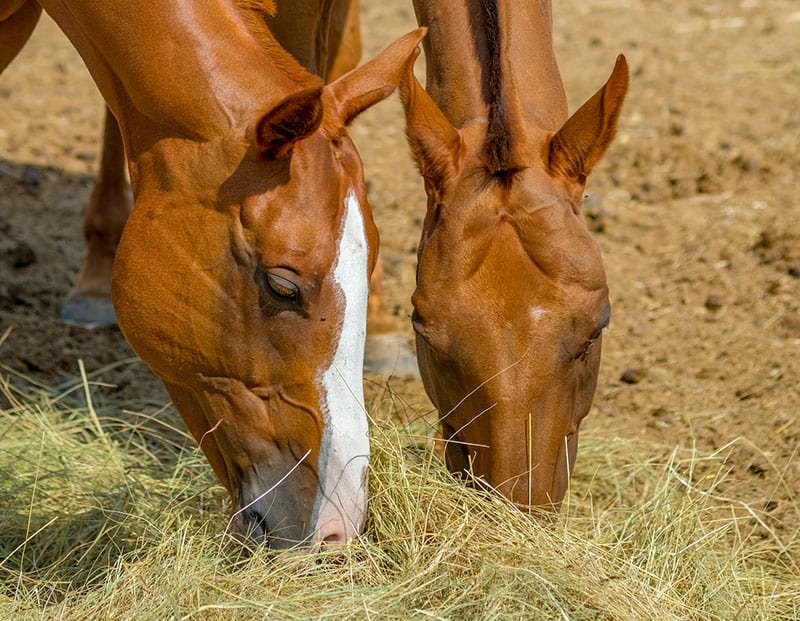
Getting back to basics and simplifying meals might be the key to keeping the horse’s hindgut healthy and functioning properly.

After years of speculating that colic occurs more frequently in horses that crib, researchers have finally provided consistent data confirming this association.
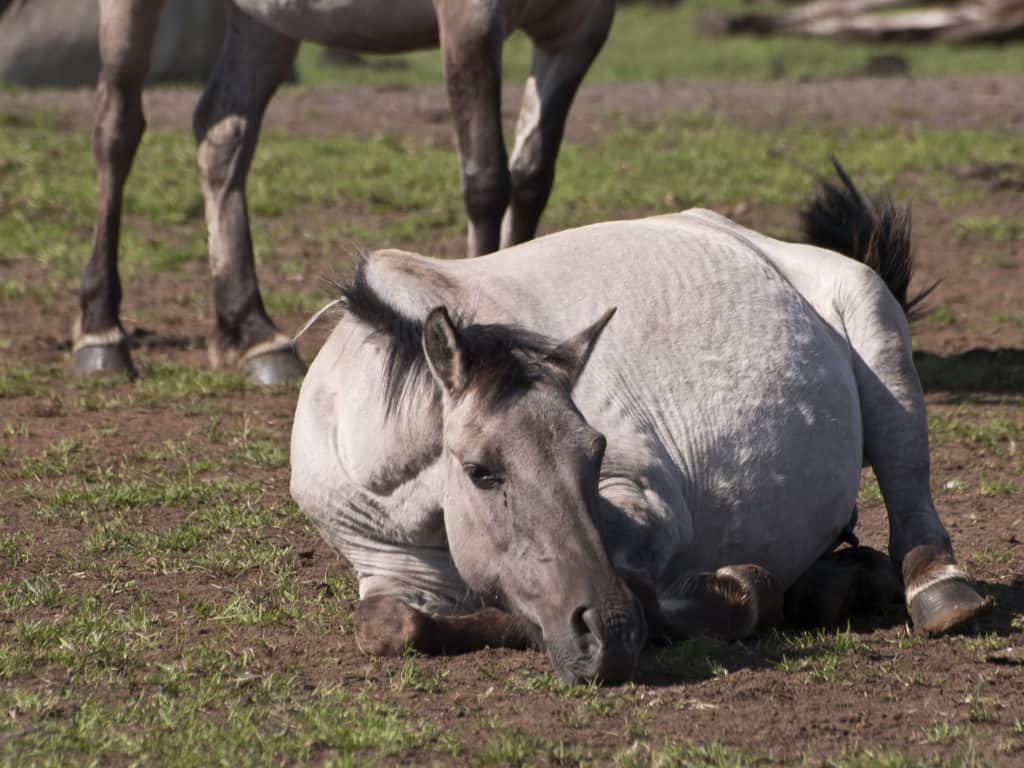

Decipher fact vs. fiction when it comes to the complicated world of feeding horses.

An equine nutritionist breaks down what’s in a grain-free feed and how you might increase calories for a performance horse consuming a grain-free diet.

Horses on antibiotics might experience feeding, housing, and management changes as well as increased stress, which are associated with gastric ulcer development.
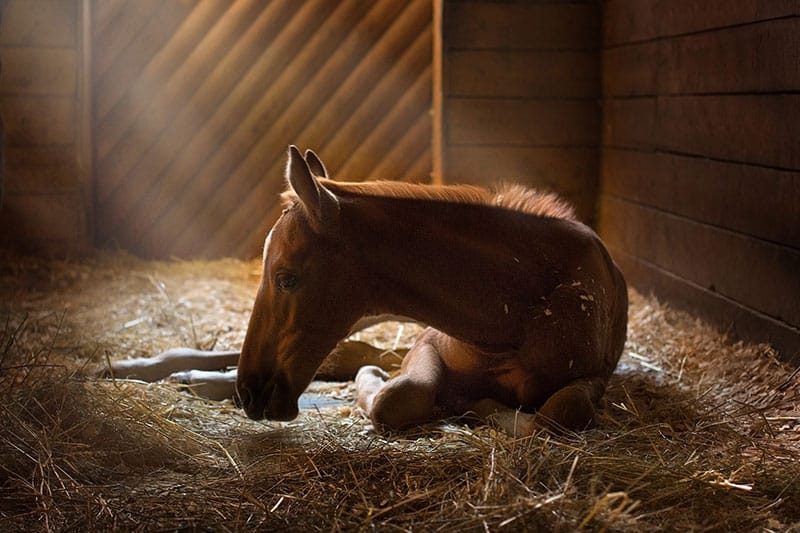
New research might lead to a vaccine for this highly contagious disease.

Newly identified liver viruses in horses might be more common than we realize.

Understanding how your growing foal’s digestive system works can help you recognize and avoid potential problems.

Knowing the causes of colic in horses, treatment options, and why referral might be necessary can give your horse a better outcome in a colic emergency.