Rebound Gastric Hyperacidity in Horses After Discontinuing Omeprazole
Researchers have developed a new recommendation for horses being treated with the drug for a period of eight weeks.

Researchers have developed a new recommendation for horses being treated with the drug for a period of eight weeks.

Learn to navigate the murky waters of diagnostic testing for this zoonotic disease.
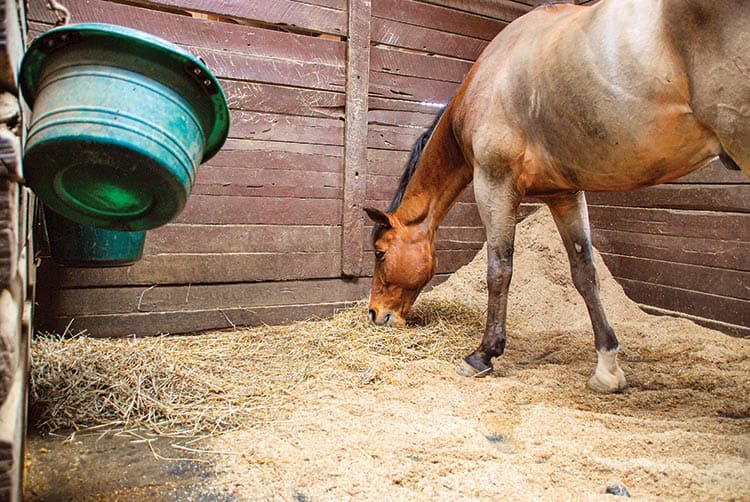
If you’re making changes to a horse’s diet, do it slowly. Learn why this applies to not only concentrate feeds but also forage.

Horses living in areas with sandy soil are at a greater risk of sand colic and impactions. An equine nutritionist offers advice on mitigating this risk.
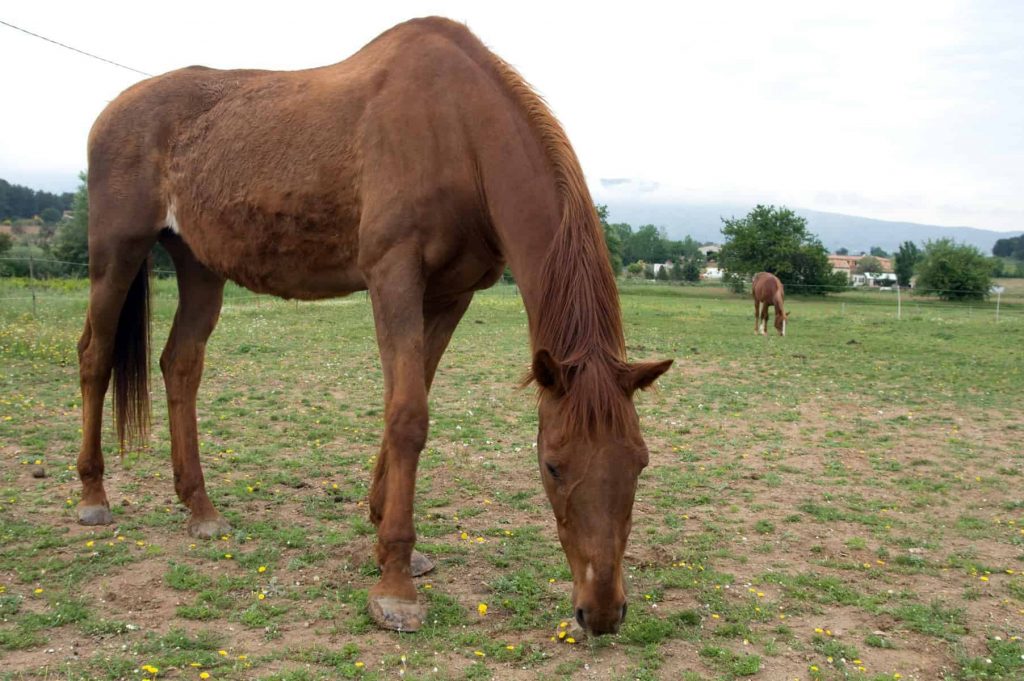
Chronic diarrhea can be very frustrating for horse owners and veterinarians to treat. An equine nutritionist offers advice for handling these challenging cases.
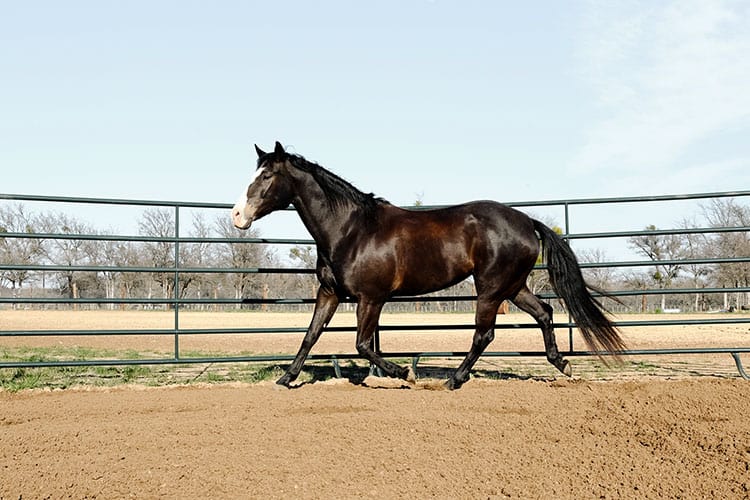
Exercise significantly affects risk of gastric ulcer development in horses, particularly in the glandular region, which underscores the need for management precautions.

Understanding the differences between these groups’ microbiomes and adjusting dietary and management practices accordingly could help improve domestic horse welfare.
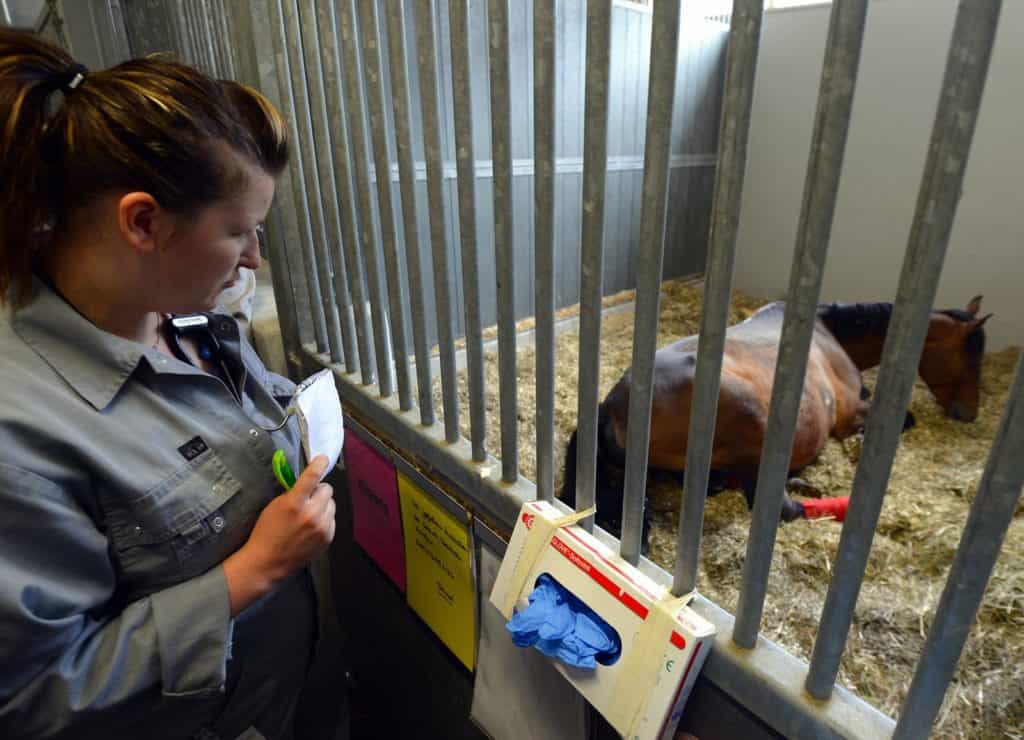
Discover what you should do to prepare for a colic episode, considerations to make, and things to keep in mind after surgery.

7 things to know before a horse colics, so you can maximize the chances of a successful outcome.

Researchers found that many respondents either felt like they already had good colic emergency plans in place, or they had no intention of creating them.

How can you best support your competitive show horse? Start with what fuels the fire. Sponsored by Vitalize.
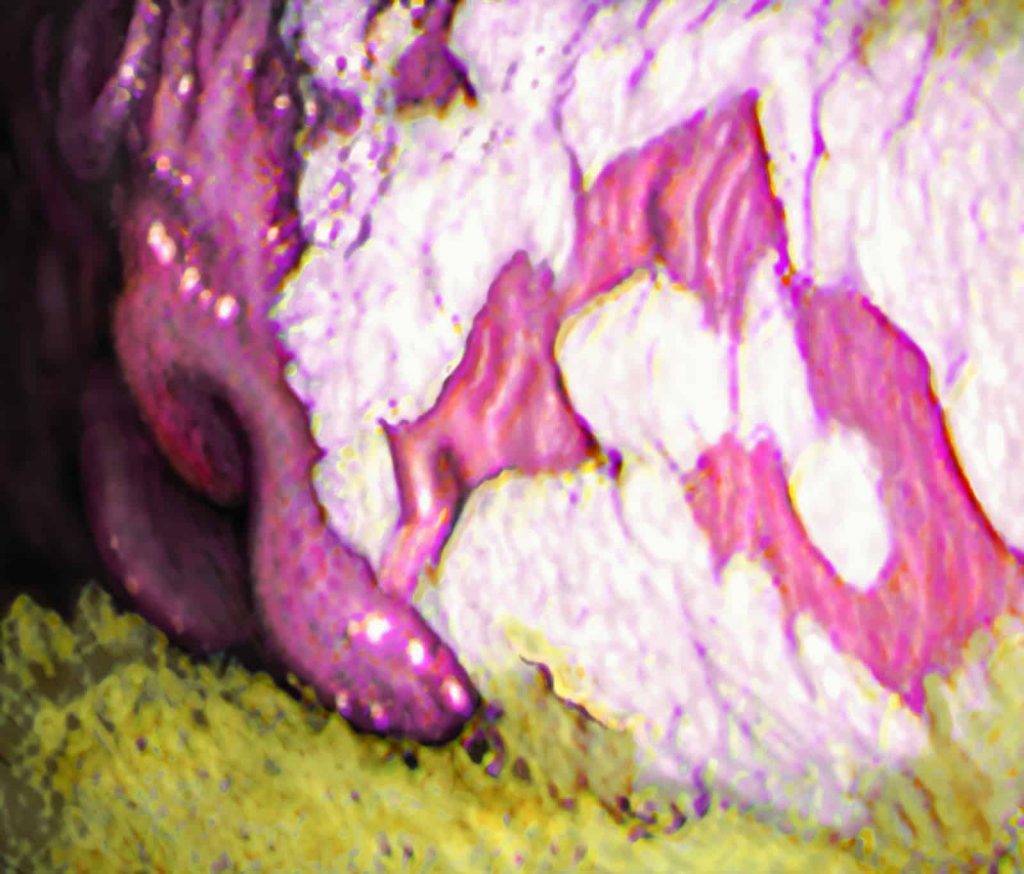
Gastric ulcers in horses can be challenging to identify and, in many cases, treat, but proper management practices can help reduce their occurrence.
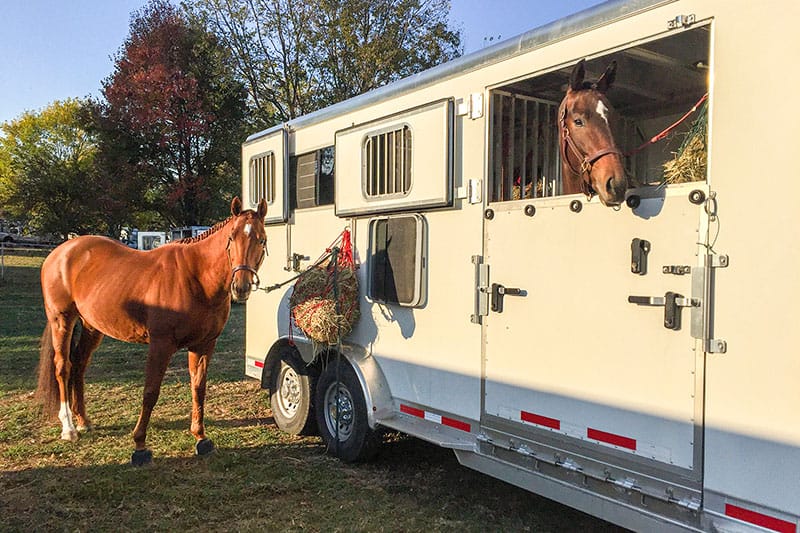
Feeding hay before loading your horse on the trailer can help prevent gastric ulcers from developing during long-haul travel.

Dr. Anna Pesta-Dunaway explains the best ways to manage and prevent ulcers in competition horses in this clip from Ask TheHorse Live.

Does alfalfa cause kidney or respiratory problems or make horses hyper? Specialists shed light on these myths and more.
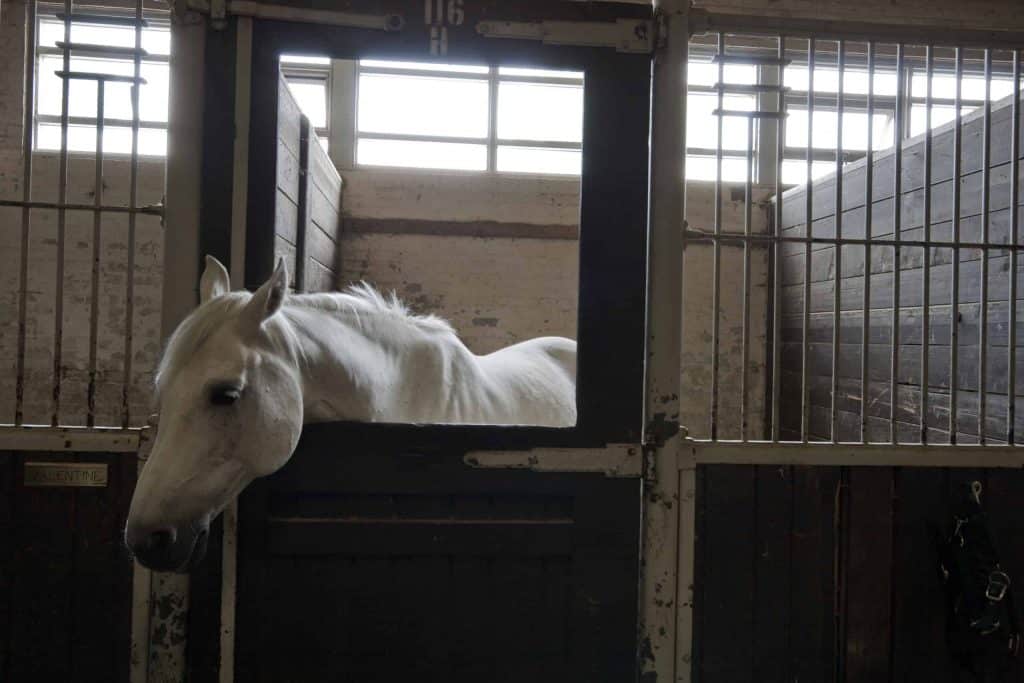
Diarrhea in adult horses can be life-threatening, so it is important for horse owners to know when to call their veterinarian and when to wait.