Balancing Ulcer Management and Weight Control in Horses
For horses prone to weight gain, ulcer management often conflicts with feeding restrictions. This Q&A outlines forage-based ways to support gastric health.

For horses prone to weight gain, ulcer management often conflicts with feeding restrictions. This Q&A outlines forage-based ways to support gastric health.

One expert explains how to prevent glandular gastric disease in your horse by managing his routine. Sponsored by Kelato.
Everything you need to know about glandular and squamous gastric ulcers in horses, from clinical signs to treatment. Sponsored by Kelato.

Learn how to prevent squamous disease in horses through thoughtful management practices. Sponsored by Kelato.

Research continues into the cause, diagnosis, and treatment of colonic ulcers in horses. Read more in The Horse‘s 2025 Research Roundup issue.

Explore expert insights, practical tips, and real-world stories to help you effectively manage horses with gastric ulcers. Sponsored by Kelato.

Read about the do’s and don’ts of feeding horses that have 4 common health conditions, including gastric ulcers, metabolic disorders, and more.

Even subtle behavior changes can signal gastric discomfort or pain in your horse. Here’s what you need to notice.
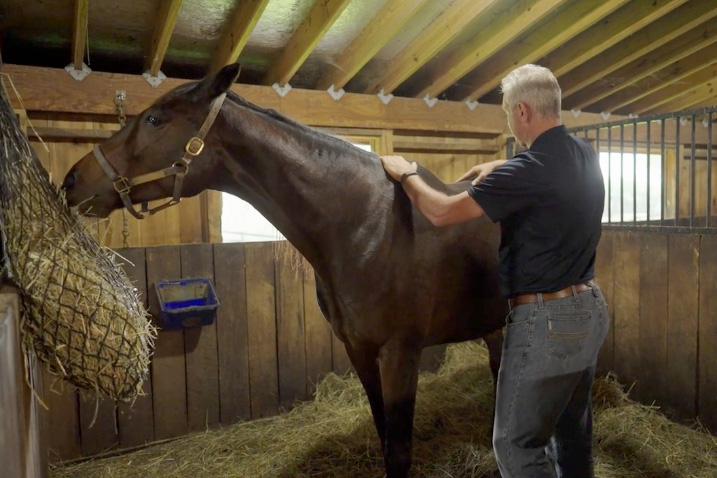
Learn about the common signs of gastric discomfort and how to recognize them in your horse. Sponsored by Kelato.

Find out what breed, discipline, and behavior factors might make a horse more susceptible to developing gastric ulcers.
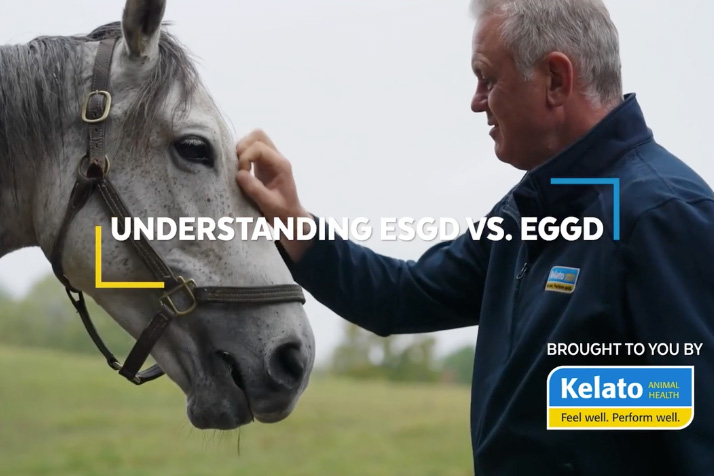
Learn the difference between equine squamous gastric disease and equine glandular gastric disease. Sponsored by Kelato.
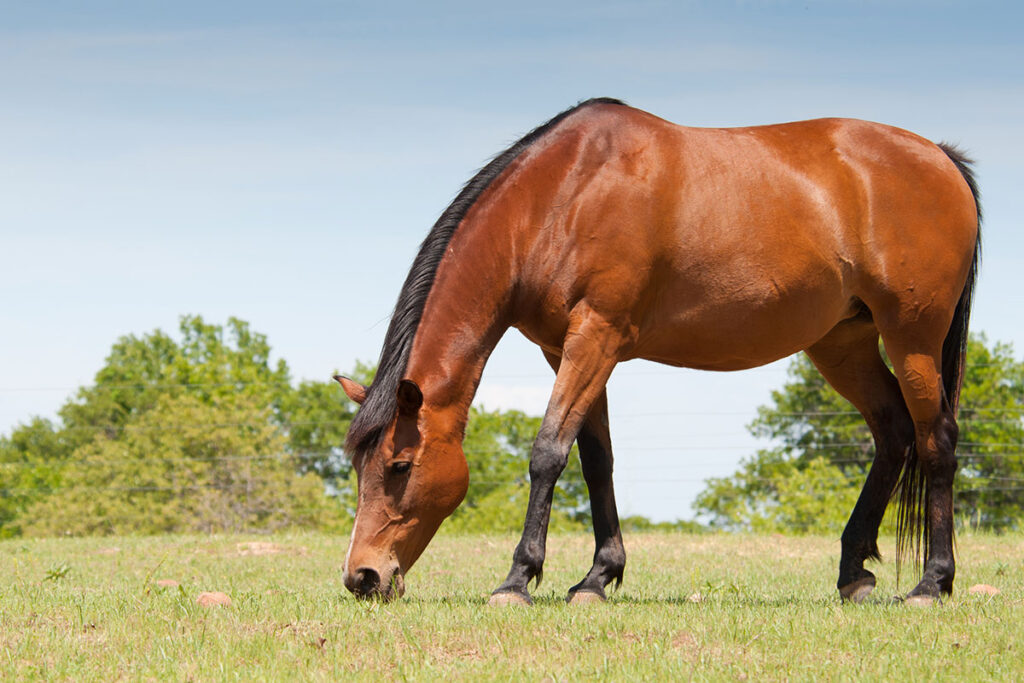
The horse’s gut microbiome could influence gastric ulcers, and while researchers have found microbial shifts with disease, their role remains uncertain.

Common advice tells us not to feed horses before exercise. But this outdated belief might be hurting your horse.

Veterinarians describe 9 common causes of poor performance in horses and what it takes to get a diagnosis.
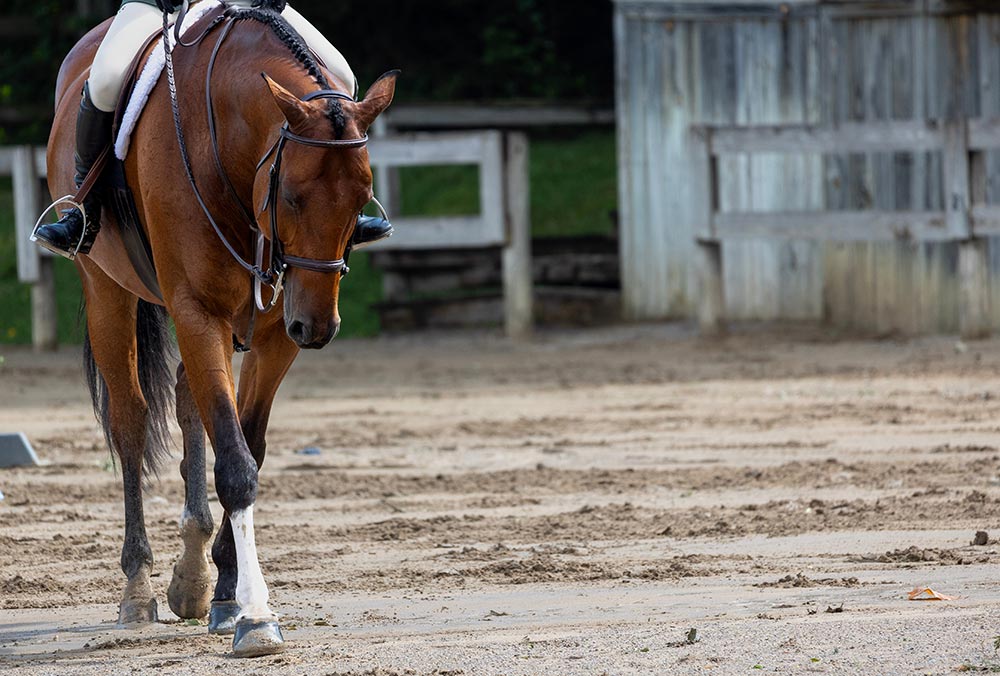
Here’s what researchers know about the role biomarkers might play in predicting and monitoring equine gastric ulcer syndrome.
Equine gastric ulcer syndrome (EGUS) can only be definitively diagnosed through gastroscopy by a veterinarian. Sponsored by Endoscopy Support Services.