The Current Status of Equine Gastric Ulcer Syndrome
Five veterinary experts discuss the latest in diagnosing, treating, and preventing equine gastric ulcers in this roundtable. Sponsored by Boehringer Ingelheim.

Five veterinary experts discuss the latest in diagnosing, treating, and preventing equine gastric ulcers in this roundtable. Sponsored by Boehringer Ingelheim.
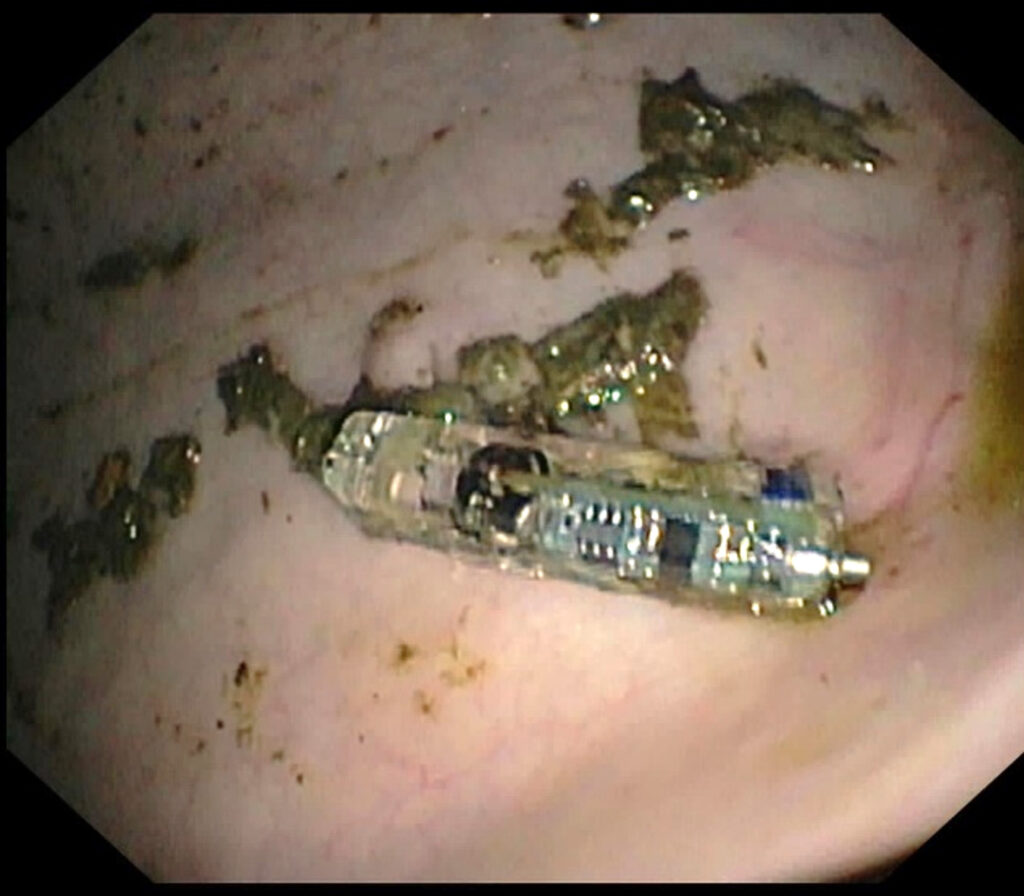
This capsule gives veterinarians and researchers a noninvasive way to track ulcer treatment progress in horses without repeated scoping.

Equine gastric ulcers often go unnoticed, especially in subclinical cases. Subtle signs can offer clues, while researchers explore biomarkers for future screening.

Learn about the more subtle signs of pain horses might express as undesirable behaviors and how veterinarians can pinpoint the cause.
Learn about feeding your new horse during transport, quarantine, and the first few weeks at his new home.
Researchers linked specific behaviors to gastric disease in horses, which could help owners spot signs early and seek veterinary diagnosis and treatment.

One reader wants to know how she can manage her metabolic horse that is also prone to gastric ulcers. Here’s what she should consider.

Researchers found that a schizophyllan and hyaluronan supplement might help veterinarians and owners manage EGUS.

Here’s how you can recognize the early signs and risk factors for EGUS, and how veterinarians diagnose and treat the condition.

Horses with certain health conditions should skip sweet treats. Find out if your horse is one.

Dr. Patty Graham-Thiers describes the safest ways to help a horse lose weight without overrestricting his forage intake and increasing his risk of gastric ulcers.

One expert describes the best way to manage horses with a history of squamous and glandular ulcers and how to prevent recurrence.

Behavioral issues in horses often stem from underlying physical problems, requiring careful evaluation to identify and address root causes.

Taking a whole-horse approach to preventing gastric ulcers might be the best way to improve your horse’s health and well-being. Here’s why.

Performance horses’ lifestyles put them at a greater risk of developing gastric ulcers. An equine nutritionist explains how to combat this.

Learn how to craft a diet for the horse with painful lesions in his stomach.