How Dietary Management Affects Glandular Ulcers in Horses
Researchers believe adding alfalfa pellets to your horse’s diet might help manage and prevent ulcers in the lower region of the stomach.

Researchers believe adding alfalfa pellets to your horse’s diet might help manage and prevent ulcers in the lower region of the stomach.

Glandular ulcers involve different risk factors and treatments than squamous ulcers. To help, address an affected horse’s exercise frequency, stress, and environment.

Researchers examined the relationship between gastric ulcers and the microbiome in the lower portion of the horse’s stomach.

Learn about the distinctions between squamous and glandular disease and how to help your horse avoid painful gastric ulcers.

An equine nutritionist breaks down what’s in a grain-free feed and how you might increase calories for a performance horse consuming a grain-free diet.

Horses on antibiotics might experience feeding, housing, and management changes as well as increased stress, which are associated with gastric ulcer development.

Understanding how your growing foal’s digestive system works can help you recognize and avoid potential problems.

Researchers have developed a new recommendation for horses being treated with the drug for a period of eight weeks.
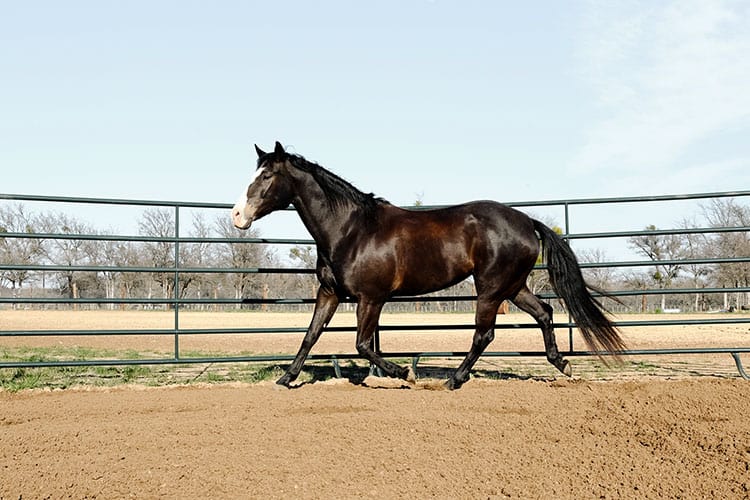
Exercise significantly affects risk of gastric ulcer development in horses, particularly in the glandular region, which underscores the need for management precautions.

How can you best support your competitive show horse? Start with what fuels the fire. Sponsored by Vitalize.
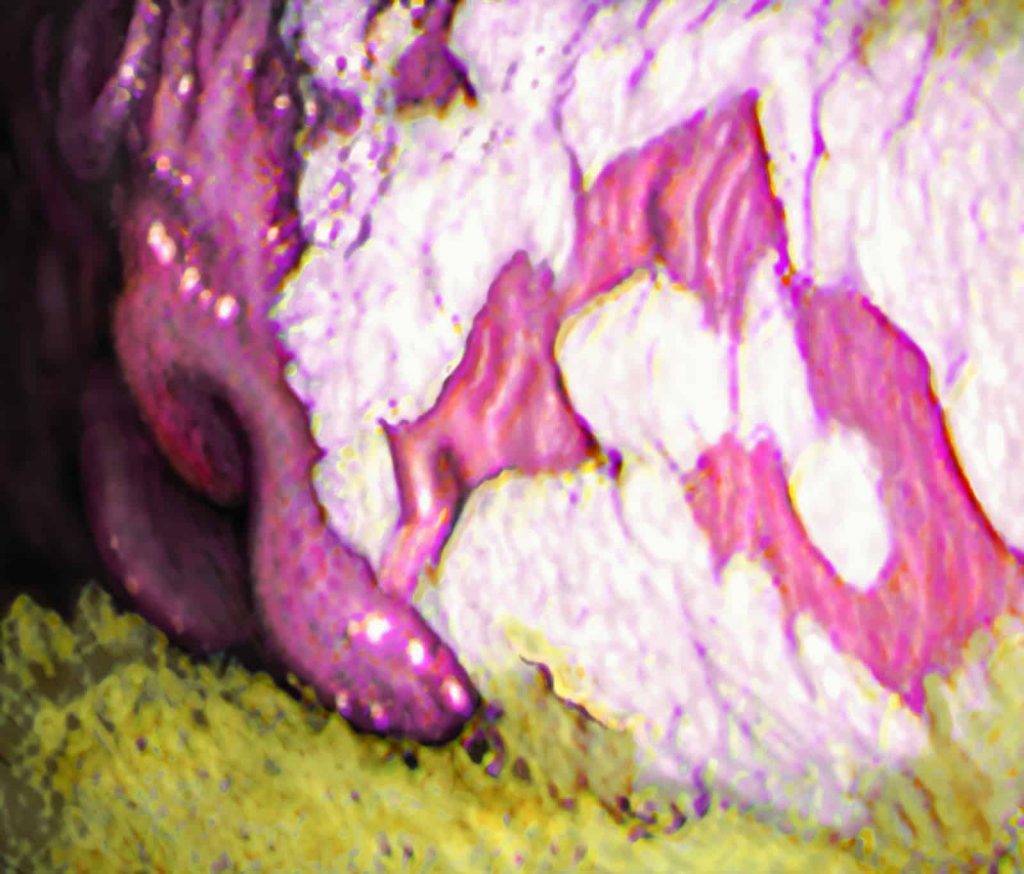
Gastric ulcers in horses can be challenging to identify and, in many cases, treat, but proper management practices can help reduce their occurrence.
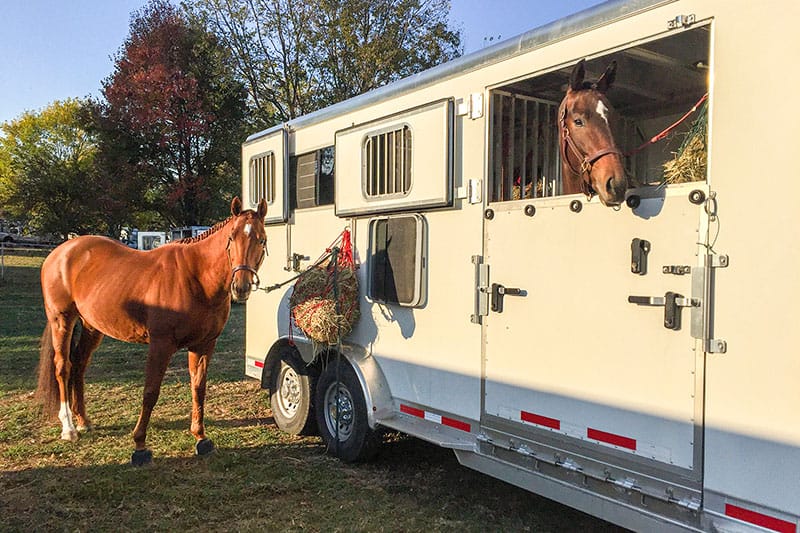
Feeding hay before loading your horse on the trailer can help prevent gastric ulcers from developing during long-haul travel.

Dr. Anna Pesta-Dunaway explains the best ways to manage and prevent ulcers in competition horses in this clip from Ask TheHorse Live.

Consider growth rate and nutrient balance when deciding what to feed young horses.

Often, a horse’s behavior problems are rooted in either pain or incomplete training. Here’s what to consider.

While NSAIDs are valuable tools for controlling horses’ pain and inflammation, they do come with risks.