Preventing Gastric Ulcers in Horses Getting NSAIDs
What’s the best way to help soothe a horse’s stomach while he’s getting bute or other NSAIDs? Dr. Alicia Long of the University of Pennsylvania offers advice.

What’s the best way to help soothe a horse’s stomach while he’s getting bute or other NSAIDs? Dr. Alicia Long of the University of Pennsylvania offers advice.

Learn how gastric ulcers affect equine performance and the best ways for treating them in actively competing horses.

An Italian researcher outlines the stresses high-performance horses face during transport and what horse owners and managers can do to help.

Traditionally, some riders withheld feed from their horses prior to training or competition. We now know better. Nutritionist Dr. Clair Thunes explains.
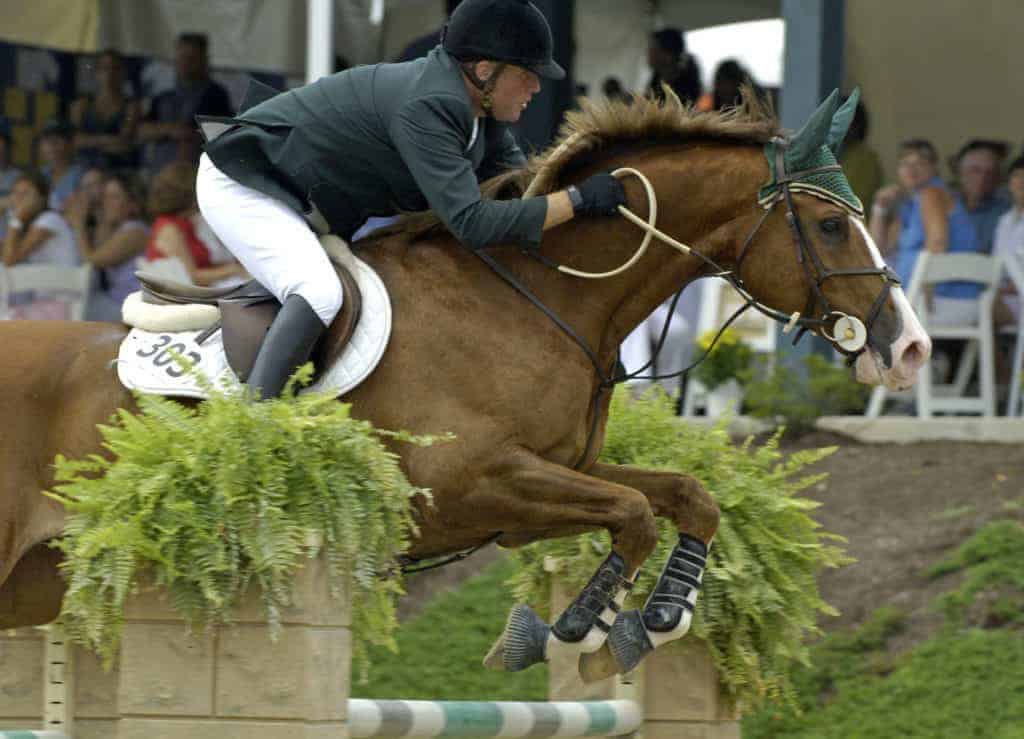
Dr. Frank Andrews shares insight into how likely a horse is to have gastric ulcers. His answer might surprise you.

Is your horse cinchy or unthrifty? Learn about EGUS, which affects an estimated 50-90% of horses.

Nutritionist Dr. Clair Thunes talks about the best ways to keep horses fueled and hydrated during competition.

Italian researchers found higher-placed haynets significantly shorten horses’ back muscles and change their jaw angles as they eat.

Behavior and performance changes that could be associated with gastric ulcers in horses should prompt further veterinary investigation.
Here’s what to expect if your horse needs to undergo gastroscopy, the only surefire way to check for equine gastric ulcers.

A study found omeprazole protected horses against phenylbutazone-induced equine glandular gastric disease but might exacerbate phenylbutazone-induced intestinal disease.

Fasting a horse overnight prior to giving an omeprazole dose to treat ulcers improves treatment outcomes, especially for glandular ulcers, a researcher found.

Does your horse have gastric ulcers? Research suggests the odds are yes. Learn more about EGUS with educational content throughout August.
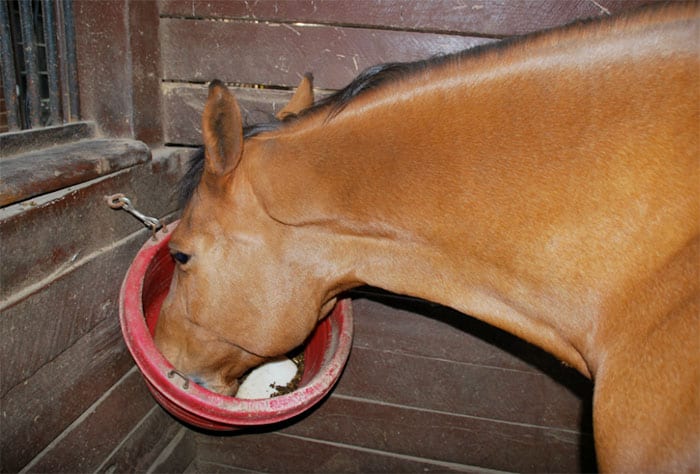
Showing, training, traveling, or even lifestyle changes can put your horse under stress that risks his health. The right nutritional choices can support his immune system, GI tract, and overall well-being. Learn how.
Gastric disease develops most commonly in the squamous region, when stomach acid splashes onto that vulnerable area of tissue. Why it develops in the glandular region—and how to prevent and treat it—is less clear. Five researchers discuss what we do know about equine glandular gastric disease.

Reduced performance, including a shorter stride length, is likely a consequence of pain caused by equine gastric ulcers.