Equine Gastric Ulcer Syndrome Basics
Learn about the risk factors associated with horses getting gastric ulcers, as well as diagnosis and basic management and treatment.

Learn about the risk factors associated with horses getting gastric ulcers, as well as diagnosis and basic management and treatment.

Italian and Australian researchers investigated the relationship between transportation, gastric pH, and gastric ulcers. The team was surprised by some of the results.

Both NSAIDs induced GI tract inflammation, but phenylbutazone might result in more severe inflammation in the lower GI tract.


One is prescribed by your veterinarian, the other is available over the counter. Find out more in our Q&A.
You’ll find exclusive content focusing on how stress affects horses’ health and behavior all month long on TheHorse.com.

Learn about equine gastric ulcer syndrome signs, diagnostic methods, and prevention and treatment strategies in this visual guide.

Gastric ulcers occur commonly yet present a number of treatment challenges requiring pharmaceutical intervention and intensive lifestyle modifications. Sponsored by Vitalize.

While omeprazole use is unlikely to cause bone issues in horses consuming correct rations, researchers said it’s important to respect professional recommendations for both omeprazole treatment duration and commercial feeding instructions.

From available treatments to feeding strategies, attendees and moderators discussed approaches for managing squamous and glandular gastric disease.
British researchers found more success treating EGGD with misoprostol than with a combination of omeprazole and sucralfate, known to effectively treat squamous ulcers.
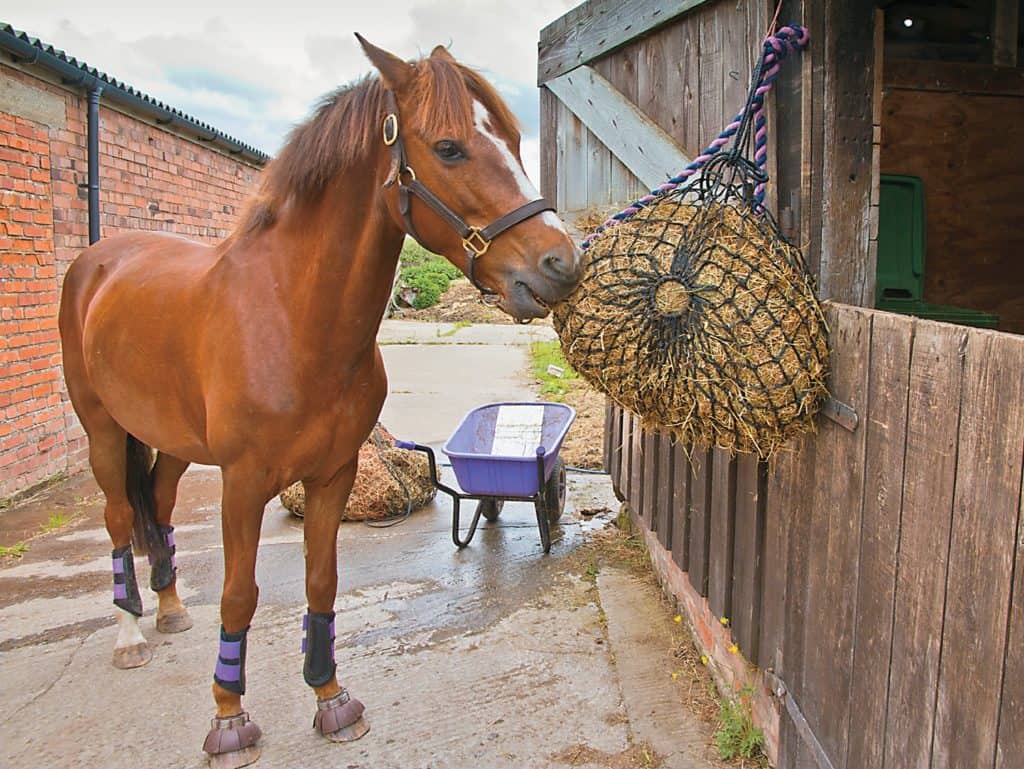
Horses with conditions such as muscle or metabolic disease might have special hay needs to stay healthy.
More than four hours without feed is fasting for a horse and can lead to issues. The solution for evening feeding? Slow feeders extended nighttime “grazing” time by 95-105%, researchers observed.

A researcher investigated how long horses spent eating when offered varying amounts of soluble fiber. Her findings could help your horse avoid health and behavior issues, such as gastric ulcers and cribbing.

Up to 93% of performance horses suffer from gastric ulcers. Is yours one of them? Here’s how to manage the condition.

What do we actually know? Dr. Hoyt Cheramie covers anatomy, epidemiology, pathophysiology, and management of horses with glandular gastric ulcers.