Infographic: Vaccinating Your Horse
Learn how vaccines can protect horses, why they’re important, and which ones your horse needs in our visual guide.

Learn how vaccines can protect horses, why they’re important, and which ones your horse needs in our visual guide.

Find out which foreign animal diseases North American horse owners need to keep an eye on and why.
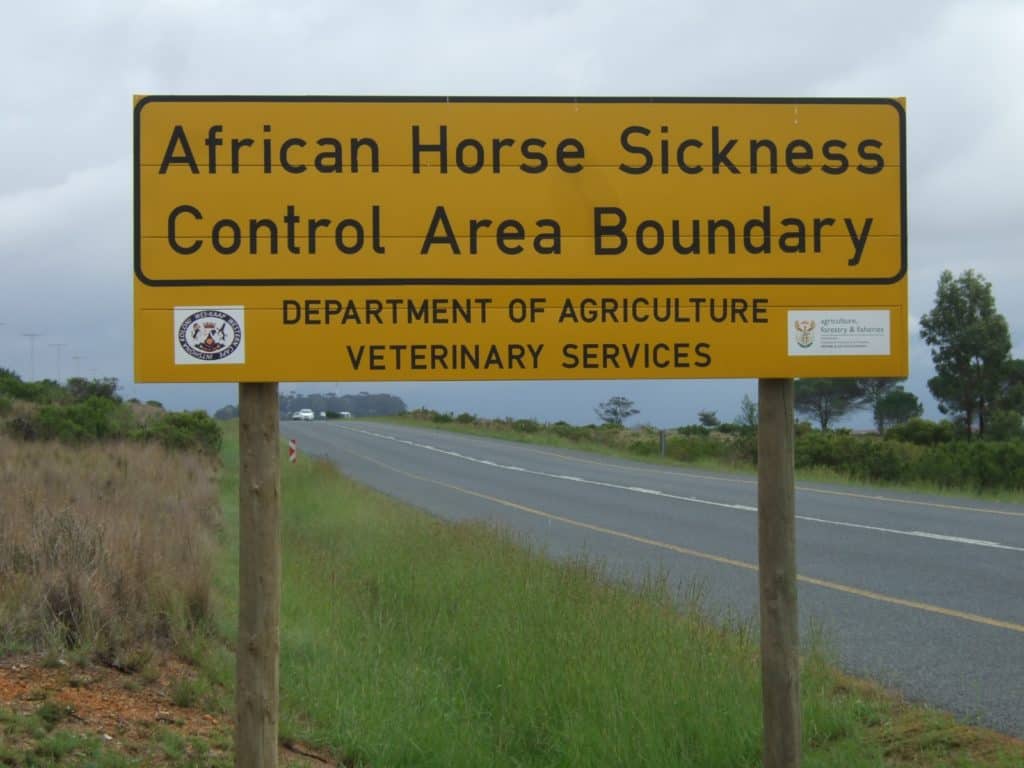
One vet recommends taking these preparation steps to help reduce the impact of an outbreak.

Is your horse showing clinical signs of an infectious disease? Here’s how to care for your horse and protect others in our step-by-step visual guide.

Rarely a week goes by during late summer and fall that a state animal health authority doesn’t report vesicular stomatitis cases. But, what is this disease and should you be concerned about it infecting your horses?

Learn about 20 important equine infectious diseases that could make your horse sick, how they are spread, and ways to prevent them in our easy-to-follow visual guide.

Are you concerned about transporting your horse during a vesicular stomatitis (VS) outbreak? A veterinarian shares tips on how to protect your equids while traveling.

Penn Vet researchers found that adult horses that retained the ability to stand had a 95% survival rate, while those that became recumbent had an 18% survival rate.
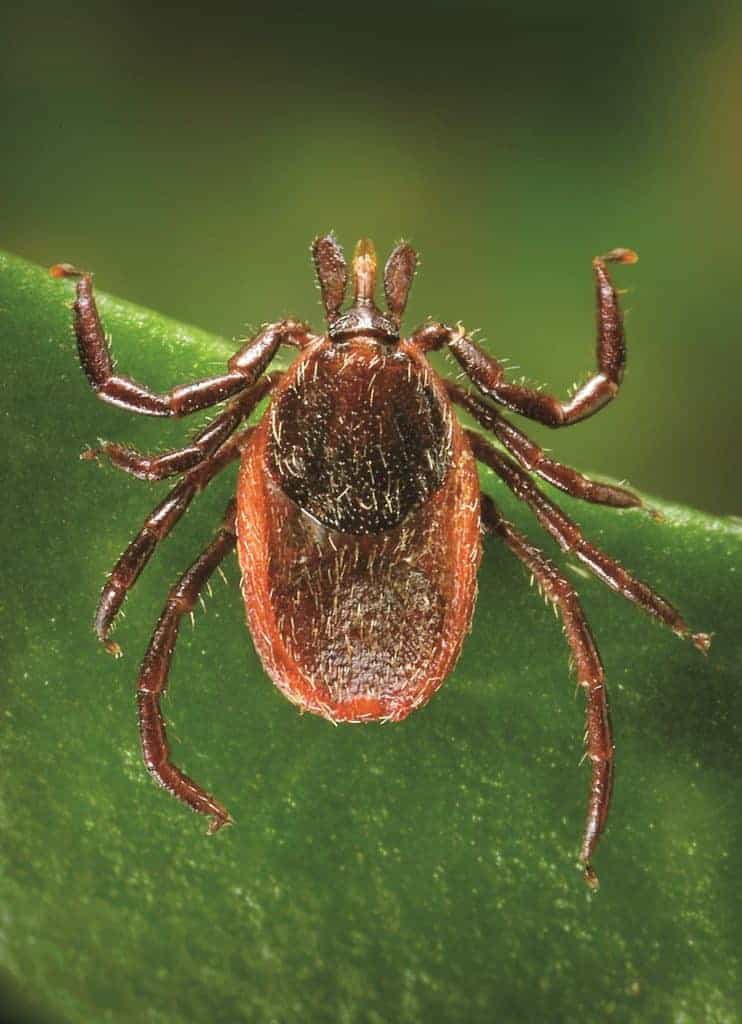
Learn how horses contract Lyme disease, what clinical signs to watch for, how to treat it, and more.
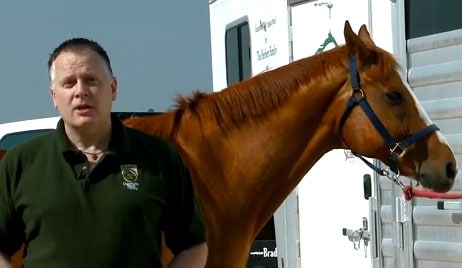
Find out how to protect your horse from infectious diseases when traveling to clinics, shows, and trail rides from Dr. Paul Morley, director of infection control at the Colorado State University Veterinary Teaching Hospital.

Summer is peak season for horse shows and events, and Colorado State University (CSU) veterinarians remind riders that it’s important if traveling to take steps to help prevent the spread of equine infectious disease.

Learn about this difficult-to-diagnose disease, what clinical signs to watch for, and how veterinarians treat it.

The toxins that cause this potentially fatal neurologic disease could be lurking in your horse’s environment or hay. Learn how to recognize and prevent botulism with this visual guide.

Remember these important steps if you’re faced with an infectious disease outbreak, regardless of what condition is at the center of the issue.

There are some horse health conditions that remain difficult to treat. And diagnose. And study. One of those conditions is equine Lyme neuroborreliosis. Here’s what you need to know about this potentially deadly condition.

Ticks might be tough opponents, but there are things you can do to reduce pasture infestations and protect horses.