Prepurchase Exams Can Reveal Cardiac Problems
Learn about the cardiac abnormality one veterinarian identified during a prepurchase exam and if it was a deal breaker.

Learn about the cardiac abnormality one veterinarian identified during a prepurchase exam and if it was a deal breaker.
Owners of horses that ingested recalled feed have reached a settlement with Lakeland Animal Nutrition Inc.
Officials found trace amounts of anticoagulant rodenticide in six horses that died suddenly following exercise.
A fourth Florida horse has died after consuming an equine feed tainted with an antibiotic intended for use in cattle.
Can a tooth grow out of the front of the horse’s head, close to the eye?

Equine metabolic syndrome doesn’t just cause equids’ girths to expand; it can also lead to other health conditions.

A veterinarian and equine behavior expert addresses a possible learned head tossing behavior at feeding time.

Endotoxemia is a serious condition resulting from the presence of endotoxin in a horse’s blood. It has several causes, ranging from retained fetal membranes after foaling to colic to skin infections and can lead to shock, laminitis, and even death..

Learn what dental problems veterinarians manage in senior horses and how owners can help monitor them.


Researchers found the muzzles reduced horses’ grass consumption by 30% but did not impact the animals’ forage choice.

Does your horse drool like a dog? Here are some reasons why, from the benign to the life threatening.

With a little extra care and attention, many older horses can have an extended career and a comfortable life.
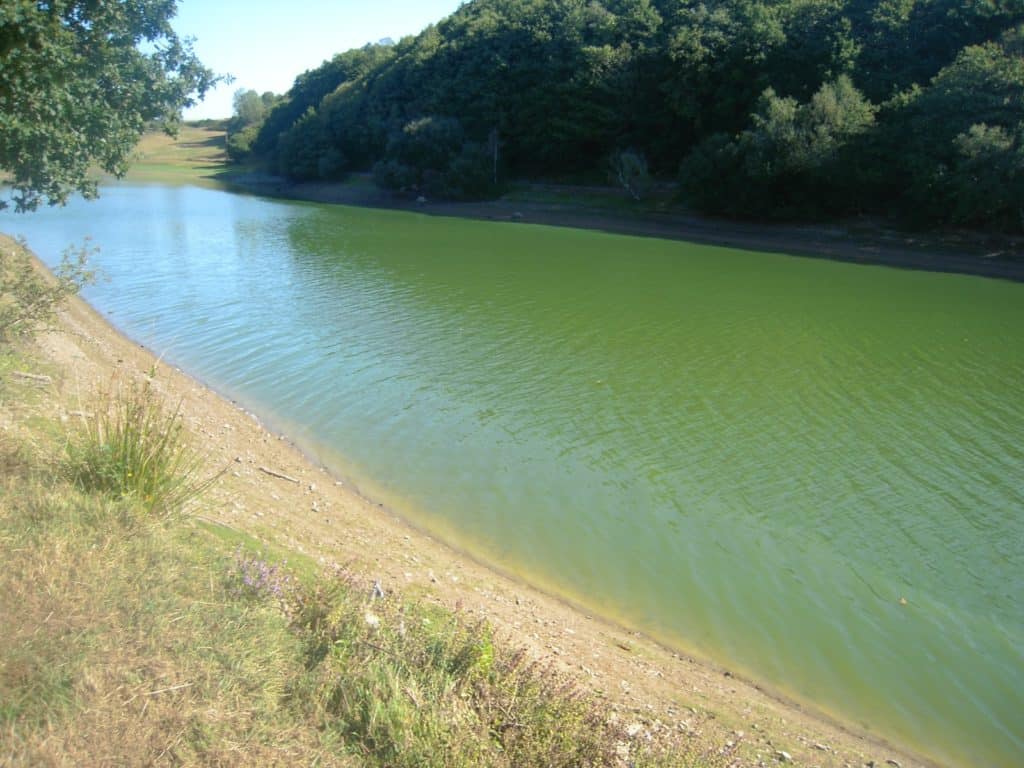
Animals that consume water with some types of algal blooms can die suddenly or suffer from weakness, staggering, or photosensitization depending on the type of toxin and how much they ingested.

Equine metabolic syndrome and Cushing’s disease prevention start from birth and include regular veterinary exams and proper nutrition.

One listener asks how frequently an adult horse should have its teeth checked by a veterinarian. This podcast is from the Equine Life Stages: Adult Horses Q&A audio event.