
Yes, Your Horse Is Fat
Horse owners must be able to acknowledge that a horse is overweight and needs to drop a few pounds.

Horse owners must be able to acknowledge that a horse is overweight and needs to drop a few pounds.
Equine atypical myopathy (EAM), a seasonal, pasture-associated muscle disorder of unknown etiology (cause), presents a particular challenge to veterinarians. The disease is characterized by a generalized complete degeneration of muscle fibers, which
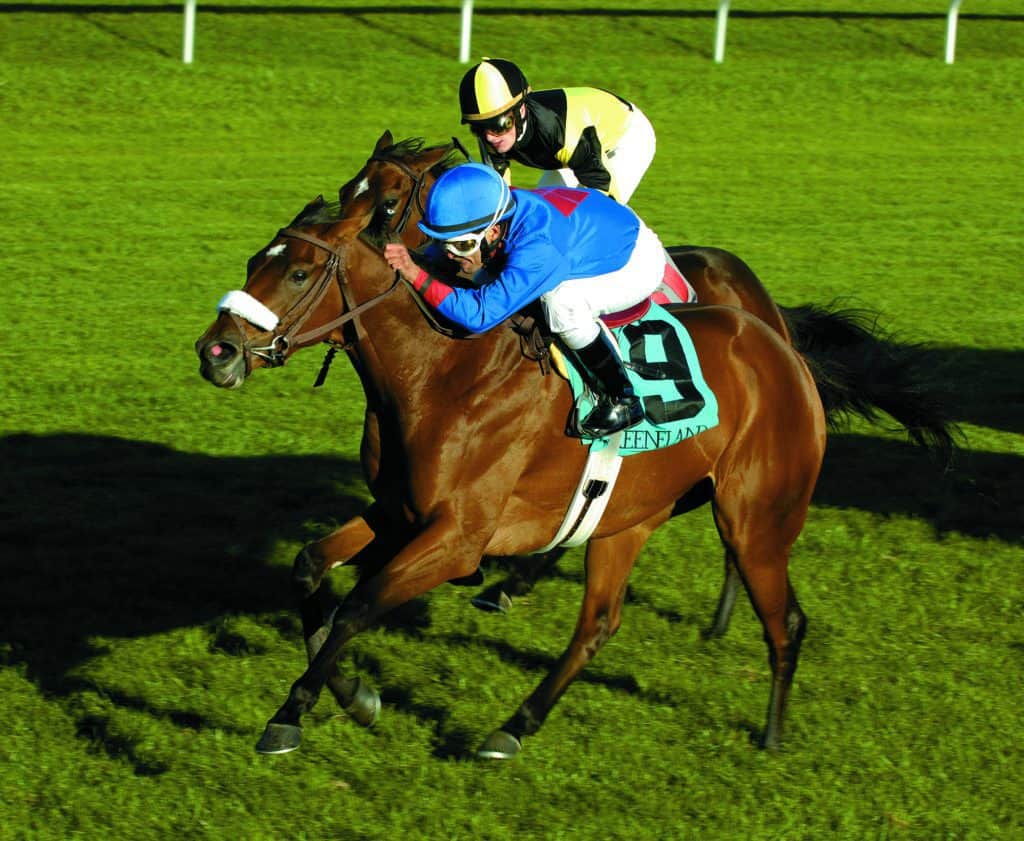
Exercise-related sudden deaths in racehorses are uncommon and “poorly understood,” noted study researchers.
Texas lawmakers are pondering legislation that would define the role of nonveterinarian equine dentists in that state. Current state law does not prohibit nonveterinarian dentists from floating horses’ teeth. But defining just how much work

An Arkansas bill that would allow equine dentists who are not veterinarians to float horses’ teeth without facing prosecution from that state’s Veterinary Medical Examining Board advanced on March 18 when it was passed by the Arkansas House of
Veterinarians from the University of California, Davis’, William R. Pritchard Veterinary Medical Teaching Hospital are helping clients protect their horses from influenza, tetanus, dental problems, and other health risks by providing owners with a
If a veterinarian suspects heart disease in a horse, running a cardiac troponin I (cTnI) blood test can expedite a diagnosis, according to a team of Cornell University veterinary researchers. Cardiac troponin I is an excellent marker for injury to
A donation from the Equine Foundation of Canada (EFC) has allowed the Atlantic Veterinary College (AVC) at the University of Prince Edward Island in Charlottetown to purchase new equipment for equine dentistry procedures and laryngeal surgery. Past
TheHorse.com’s Ask the Vet LIVE session on Equine Dental Care, held on Feb. 24, is now available for listening on demand.
Changes in a horse’s heart size due to dehydration might lead to a misdiagnosis of heart disease based on echocardiogram, according to researchers at the University of Pennsylvania’s New Bolton Center.
Equine heart disease is multifaceted and can be induced by multiple mechanisms. Although horses do not routinely suffer from traditional “heart attacks,” they can develop heart abnormalities that can negatively impact their health and longevity.
With budgets tight, a number of horse farm managers have reduced costs by using a hay harvest of overmature grass pastures for bedding. On the surface it makes sense to bed stalls with this stemmy hay. But be cautious when using it for pregnant mares in their last trimesters.

Alsike and red clover can be associated with less common conditions in horses such as photosensitivity and liver disease.
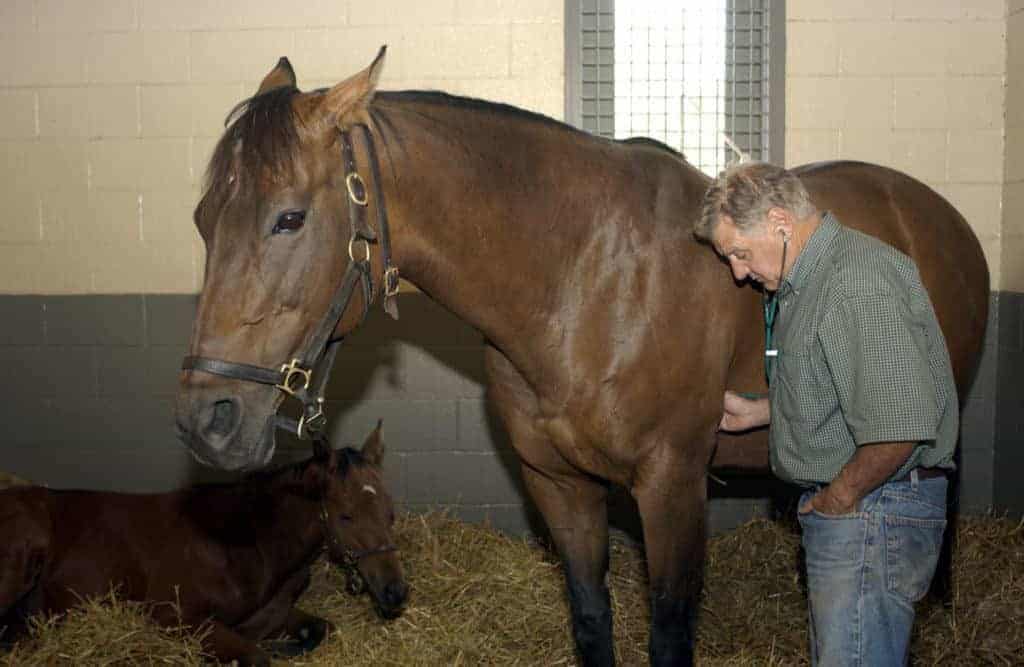
Knowing how to identify abnormalities in your horse’s heart rate and rhythm will help you and your veterinarian treat him or her when illness strikes.
The wet spring weather and abundant clover growth in Central Kentucky has made 2010 a bumper year for slaframine toxin, or “slobber toxin.”






