Toxin Topic: Red Maple Toxicosis
Red maple trees are beautiful trees that grow extensively throughout eastern North America. However, horse owners should be aware these trees can pose a serious risk to horses.

Red maple trees are beautiful trees that grow extensively throughout eastern North America. However, horse owners should be aware these trees can pose a serious risk to horses.
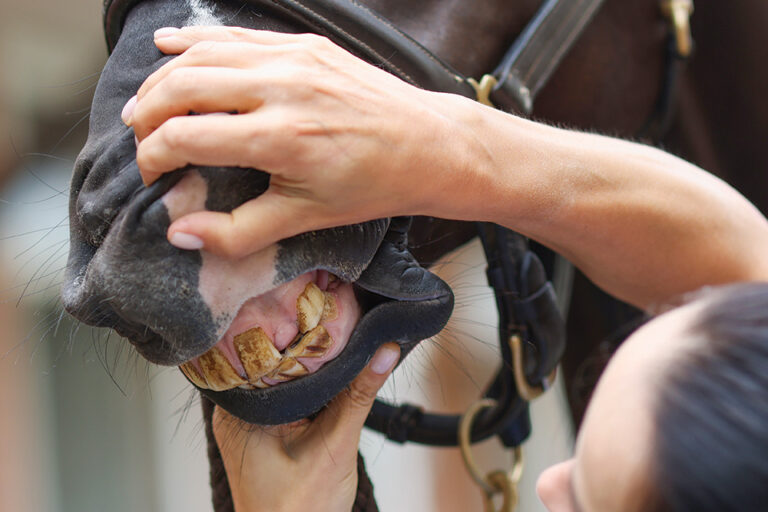
Aside from routine dental conditions that occur in horses, owners might encounter a behavior that is referred to as cribbing or crib biting, which can have a negative effect on the incisor teeth.
Therapeutic drugs such as antibiotics, anti-inflammatory and pain relief medications, anesthetics, and antiparasitic drugs can dramatically improve the health and well-being of horses. However, many horse owners are unaware that virtually all drugs can cause unintended side effects, or adverse effects, that sometimes can be serious.

Just because a horse is older does not mean he needs a special diet. However, many older horses with special physical or nutritional needs (geriatric horses) require specific diets and feed modifications to maintain good health and body condition.

The term “easy keepers” refers to horses and ponies that maintain or gain weight on a minimum amount of food.

Cardiac disease is considered the third-most common cause of “poor performance” in athletic horses (after musculoskeletal disease and respiratory disorders).
Experts report Eastern tent caterpillars are hatching in central Kentucky in increasing numbers.
Many horse owners do not realize that baits used to kill mice, rats, and small rodents are also poisonous to horses and other mammals.
Forensic scientists solved the mystery of what killed a large portion the the wild mustang herd in southern Nevada using a technique called stable isotope ratio mass spectrometry. In July 2007, 71 horses of the 250-head herd of wild horses were…
Expression of a particular protein in fat tissue is positively associated with an increased rate of postoperative mortality in horses, researchers recently reported. The research was led by Melissa Packer, BVetMed, MRCVS, who recently
Equine metabolic syndrome is a devastating disease characterized by the three main features of obesity, insulin resistance, and laminitis. Certain breeds or individual horses are predisposed to EMS, and are often referred to as “easy keepers.” These
Spanish translation of an article reviewing equine grass sickness (enfermedad equina de los pastos).
Farmers across the Midwest struggled last year to harvest their crops in what turned out to be an unseasonably wet autumn. These conditions led to reports of widespread mold in this year’s corn crop. Moldy corn is a hazard for all species o
Fetal heart rate monitoring can help veterinarians easily and reliably assess the health of the unborn foal.
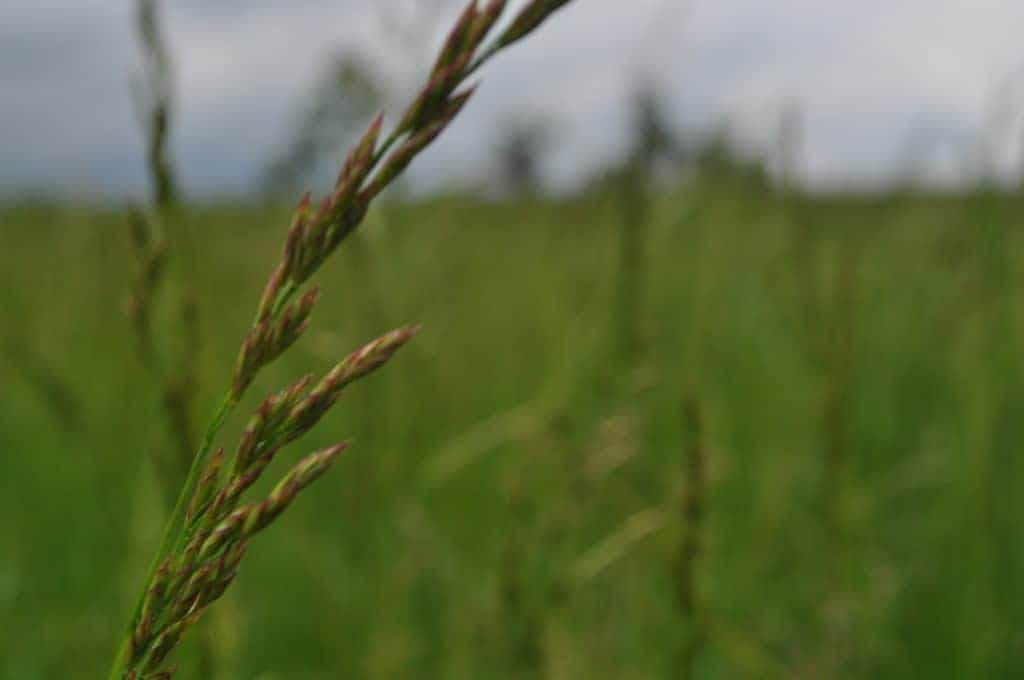
Broodmare farm operators in the southeastern United States are interested in managing tall fescue toxicity because of the pregnancy complications it can cause.
When Sophy Jesty was 20 years old and an animal science major at Cornell, she met N. Sydney Moise, DVM, MS, Dipl ACVIM (internal medicine, cardiology), now professor of medicine and chief of the section of cardiology at Cornell’s College of Veterinary Medicine.