Colic in Horses
Colic is the most common cause of equine deaths. Take a closer look at this devastating condition.

Colic is the most common cause of equine deaths. Take a closer look at this devastating condition.

The goal of medical management centers around breaking the associated pain cycle and reestablishing proper GI function.

The affected horse, a vaccinated yearling Thoroughbred filly, is recovering.

Developing an understanding of post-colic feeding practices can help your horse on the road to recovery.

There were nine recorded cases of EEE in horses in North Carolina in 2016.
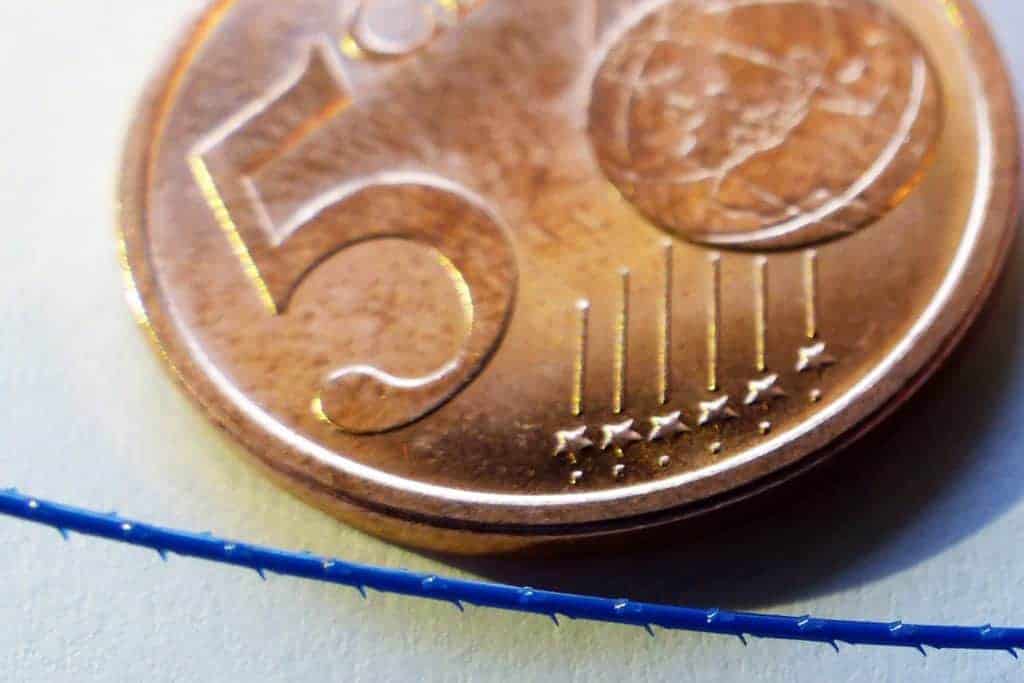
Barbed sutures eliminate the need for knot-tying and distribute tension on the suture line more evenly, researchers say.

Learn how to right a recumbent horse and what factors influence his survival.
We’ve collected tweets and take-homes from the 2017 Equine Science Society Symposium. Take a look!

Several ingredients claim to help equine gastric ulcers, but only a few have research behind them.

Learn to identify these common and important signs of colic in horses–doing so might save your horse’s life.
The event is held every three years and focuses on new innovations in colic care.

Vaccination and biosecurity can help keep your horse healthy when you take him off the farm.

Find equine colic content on TheHorse.com throughout June.

Dr. Fernanda Cesar shares the most current research on R. equi, which causes pneumonia in foals.

One horse in the Gold Coast Hinterland area was euthanized on the property after rapid deterioration.
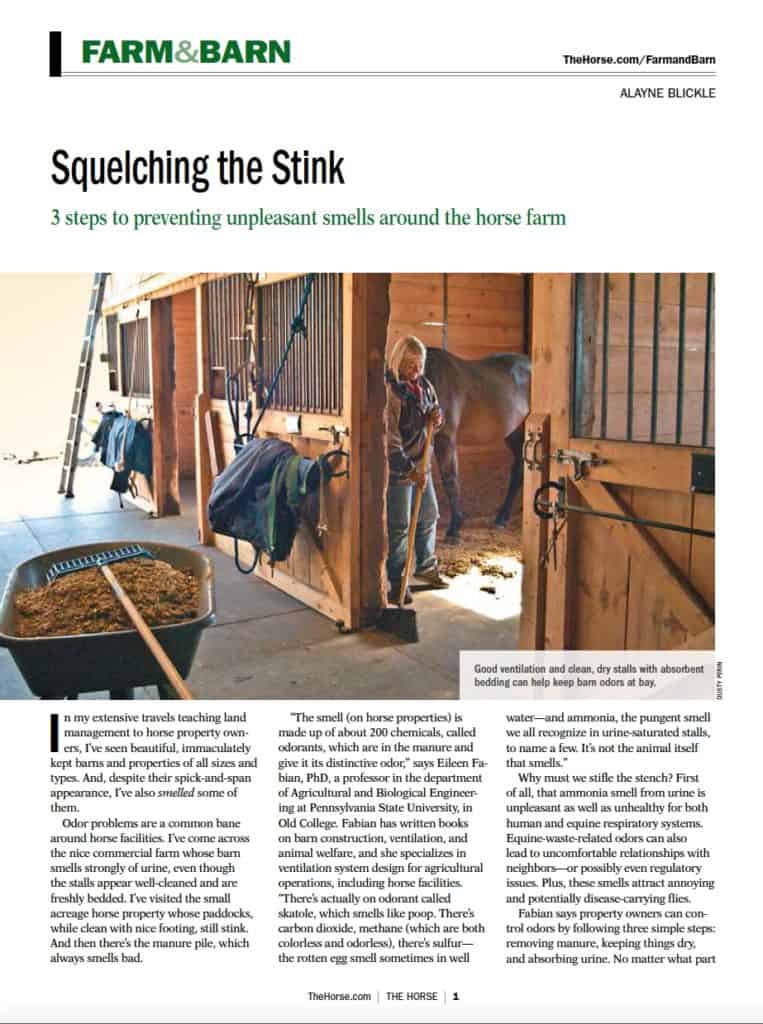
Use these simple, yet important, tips for preventing unpleasant smells on your horse farm.