How to Manage Four Equine Respiratory Emergencies
Find tips on handling bacterial pleuropneumonia, pneumothorax and hemothorax, rib fractures, and ARDS in foals.

Find tips on handling bacterial pleuropneumonia, pneumothorax and hemothorax, rib fractures, and ARDS in foals.

Dr. Susan White shares strategies for successful management of horses sweet itch, an allergic reaction to bug bites.

Controlling disease spread can be challenging. A veterinarian offers tips on how to react if your farm becomes infected.
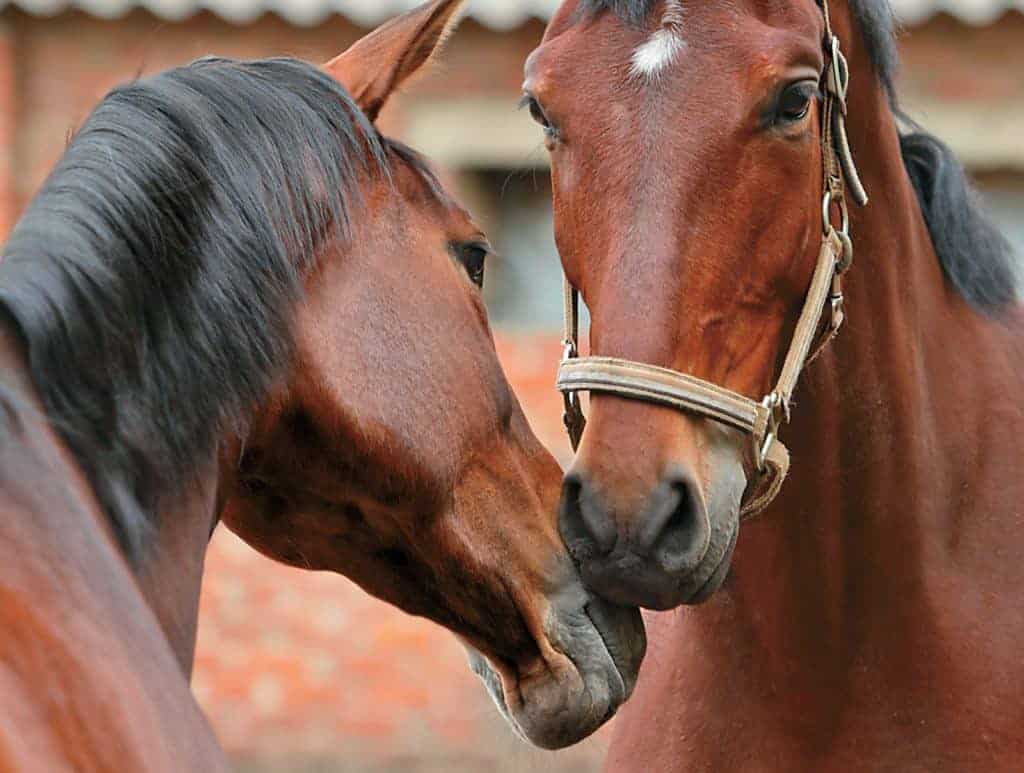
Now what? Internal medicine specialist Dr. Stephen Reed offers advice.
A horse arriving from Europe produced.a “questionable” blood test result, but tested negative on a retest.

In one study, bacteria in 91.5% of the foals were susceptible to this antimicrobial combination.
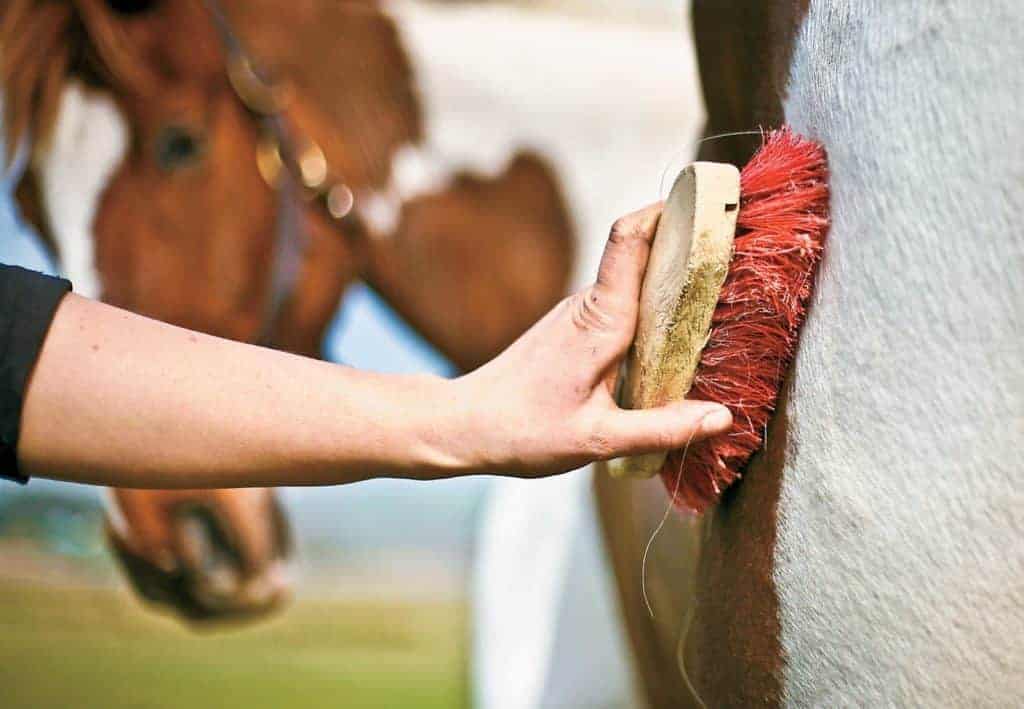
Of the 1,106 respondents, 866 (78%) said they curry or groom their horses to help them shed their winter hair coats.

What equine biosecurity methods do you use around your horse farm or facility?

Download this free guide to learn more about this common skin condition, its causes, treatment, and prevention methods.

Ammonia exposure during transport can have negative effects on the respiratory system. Here’s how to control it.

Cases of CEM, EHV-1, and more have taught officials how to best prevent and respond to outbreaks.

However, the state agriculture department is still receiving reports of new cases, predominantly in western Nevada.
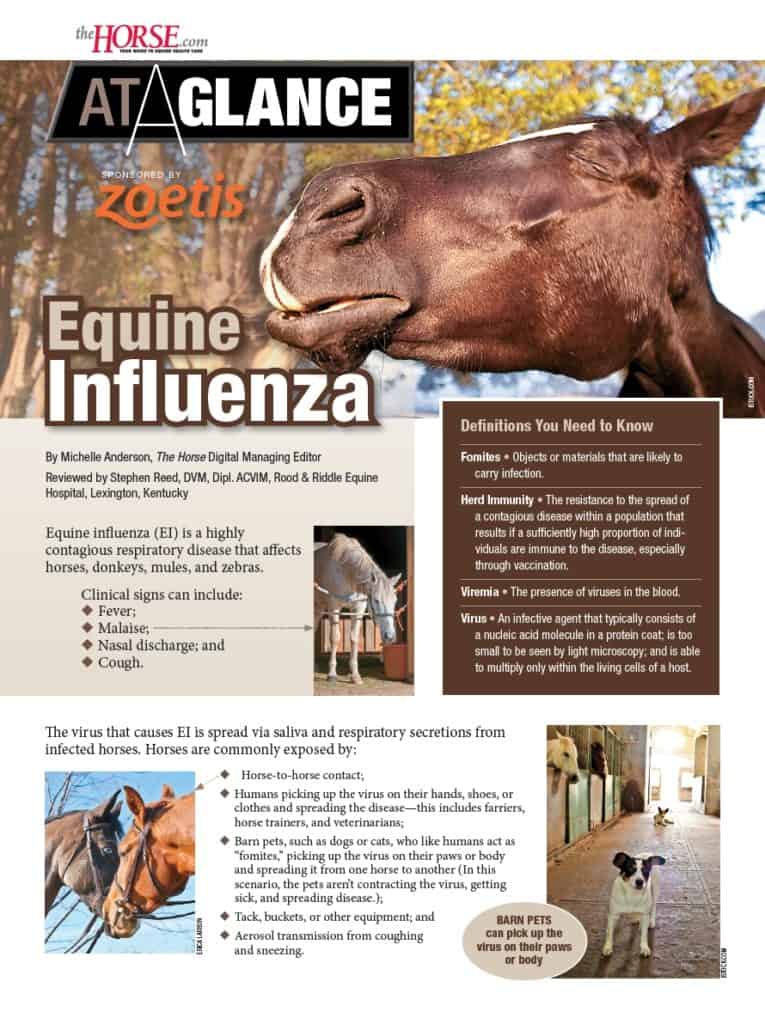
Equine influenza is a highly contagious respiratory disease. Learn how to protect your horse!

The affected horse, an 8-year-old Quarter Horse gelding used in rodeo and roping events, was euthanized.
The horse, stabled off Winter Equestrian Festival grounds, has been isolated and tested negative for EHV and strangles.

With EHV cases reported from California to Kentucky already in 2017, get information you need to protect your horse.