Minimizing Laminitis Risk in EMS Horses
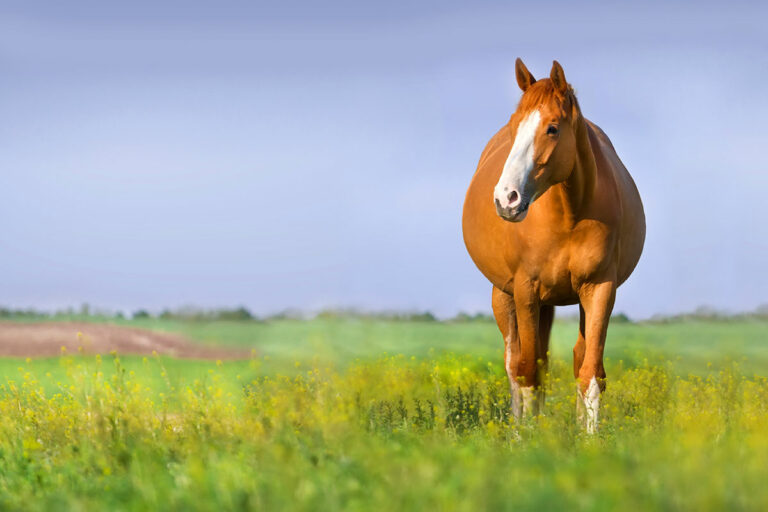
Take steps to reduce the risk of laminitis development, such as combating obesity and reducing pasture and NSC intake.

Take steps to reduce the risk of laminitis development, such as combating obesity and reducing pasture and NSC intake.
The bacterium that causes this seasonal disease can infect horses from the late spring to fall in temperate areas.
Cultures from both human and horse tested positive for S. equi spp zooepidemicus.

The 5-month-old filly from Calhoun County is responding to treatment. The dam was vaccinated, but the filly was not.

The unvaccinated Quarter Horse yearling did not survive.

Farriers should practice smart biosecurity to prevent potential equine disease spread among properties.

Many elements must remain within a normal range for a horse’s mouth to stay healthy.

California and Minnesota have confirmed 20 and 19 equine WNV cases, respectively, so far this year.
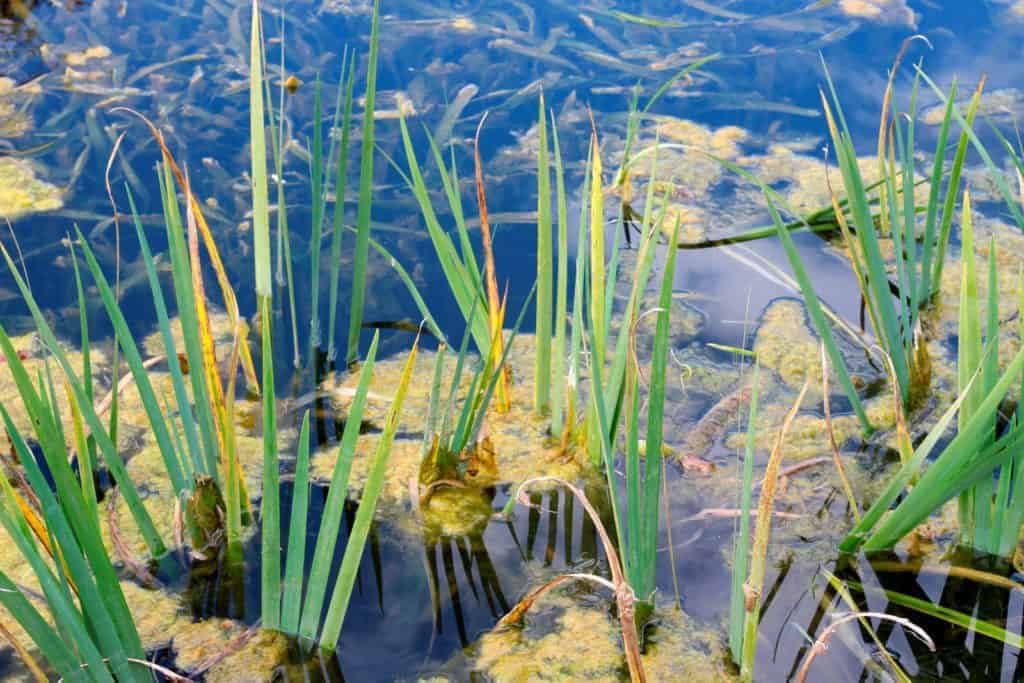
An extract from blue-green algae—a potentially toxic substance—could help arthritic horses without poisoning them.

The same bacterium causes two very different conditions in horses. Dr. Craig Carter explains.
The British survey results also suggest that lamenesses are more likely to originate in the limb than in the foot.
Reported diseases include African horse sickness, herpesvirus, influenza, strangles, and equine infectious anemia.
Seventeen horses in that state have now tested positive for EEE so far this year.

The incidence of Lyme NB appears low, but this could be, in part, due to the lack of a gold-standard ante-mortem test.

Assess your horse’s body condition regularly so you can adjust his diet accordingly and identify potential problems.