A Look at Poor Performance in Horses
Behavioral issues in horses often stem from underlying physical problems, requiring careful evaluation to identify and address root causes.

Behavioral issues in horses often stem from underlying physical problems, requiring careful evaluation to identify and address root causes.

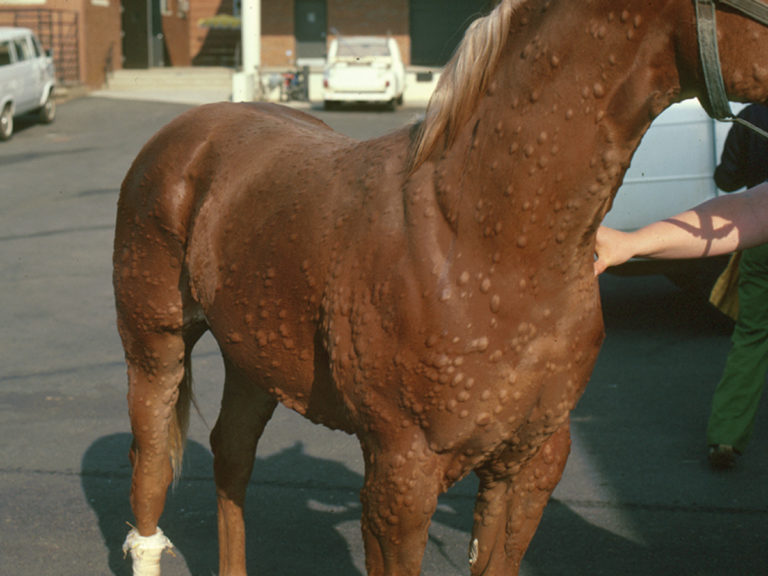
Learn about the common signs of pigeon fever in horses—including abscesses in chest—how your vet might diagnose and treat the disease, and how you can prevent it.

Here’s how you and your veterinarian can work together to reduce your horse’s risk of developing joint disease in his early years.

Is your horse accident-prone? Our sources share how to manage these Bubble-Wrap-worthy equids and the best ways to avoid problems in the first place.

Colic surgery outcomes aren’t guaranteed, but acting quickly reduces risks, and mild complications occur far more frequently than serious ones, if at all.

Driving horses, whether pulling a plow, going for a pleasure drive, or competing, face health considerations similar to and distinct from those of typical sport horses.

Is it better to leave your barn doors and windows open during winter or close them? Will your horses be healthier living outside during winter? Two experts explain.

Learn how air quality issues such as wildfire smoke and pollution can affect your horse’s respiratory health.

New research is shedding light on equine shivers, a poorly understood neuromuscular condition affecting horse movement and performance.

Keep your broodmare at a healthy weight to help ensure her and her foal’s safety during gestation and foaling.

All week long, learn about what affects a horse’s respiratory health and how you might be able to influence it. Brought to you by Sweet PDZ.

Here’s how to determine if your horse is under- or overweight and, if so, by how much.
Test your knowledge about the tricky world of PPID, EMS, ID, and more.

Drs. Jonathan Yardley and Susan White discuss potential insect bite hypersensitivity treatments for horses that do not respond to antihistamines.

Rapid weight loss can lead to hyperlipemia, a serious and sometimes fatal condition.

Find out what health conditions overweight horses might be more likely to develop and how you can help your horse safely lose weight to improve his performance.