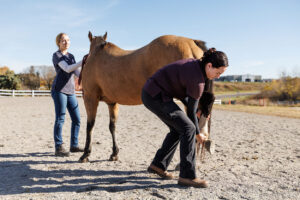
Study: Narrow-Diameter Repulsion Pins for Equine Cheek Tooth Extraction
Researchers say this method of extracting horses’ cheek teeth could reduce complications during and after surgery when traditional extraction methods fail.

Researchers say this method of extracting horses’ cheek teeth could reduce complications during and after surgery when traditional extraction methods fail.

What could cause a horse to develop equine odontoclastic tooth resorption and hypercementosis (EOTRH)?

Horses with certain health conditions should skip sweet treats. Find out if your horse is one.

Emerging technologies are giving veterinarians the tools they need to best address dental disease in horses.

Find out how to recognize when a horse is at risk of developing EMS-related laminitis and what you can do to either prevent or manage it so he stays sound.

Dental pain can often be mistaken for behavior problems, so it is important for owners to understand the signs of dental pain and disease.

Dr. Patty Graham-Thiers describes the safest ways to help a horse lose weight without overrestricting his forage intake and increasing his risk of gastric ulcers.

Researchers in the U.K. say finances, emotion, and logistics all affect the outcome in cases of severe colic in horses.

Researchers have identified several benefits to this method for removing teeth in horses, such as reducing postoperative complications.
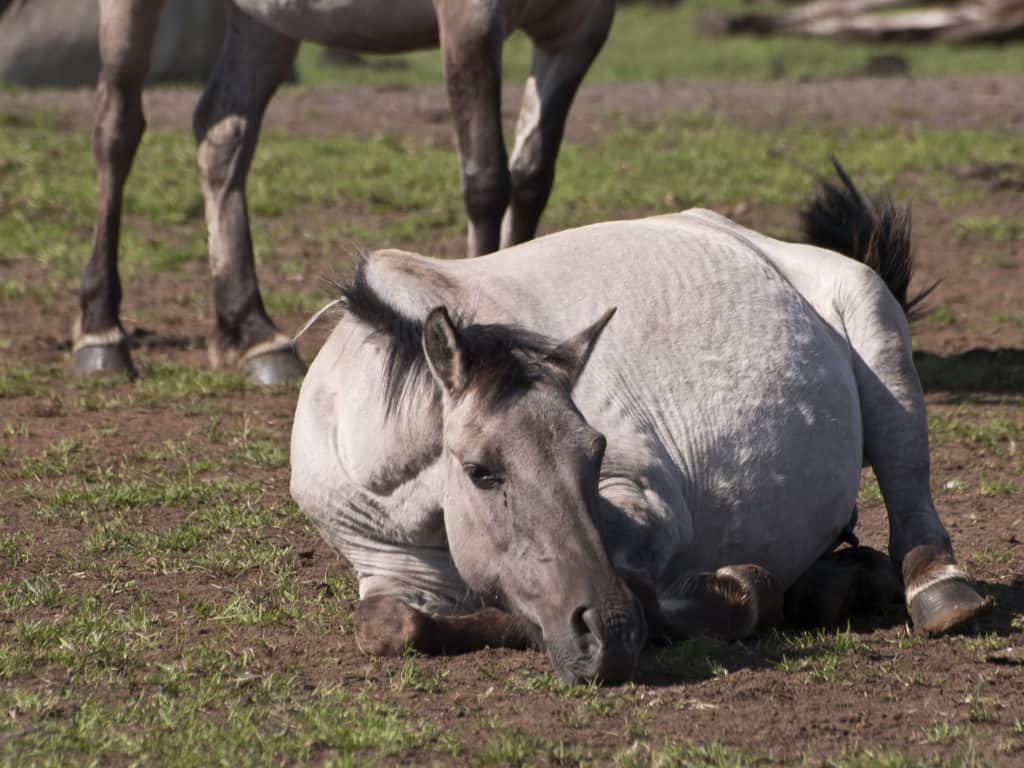
Many conditions besides colic can cause coliclike signs. And with colic, delayed treatment or misdiagnosis can have serious consequences. Here’s what you need to know.
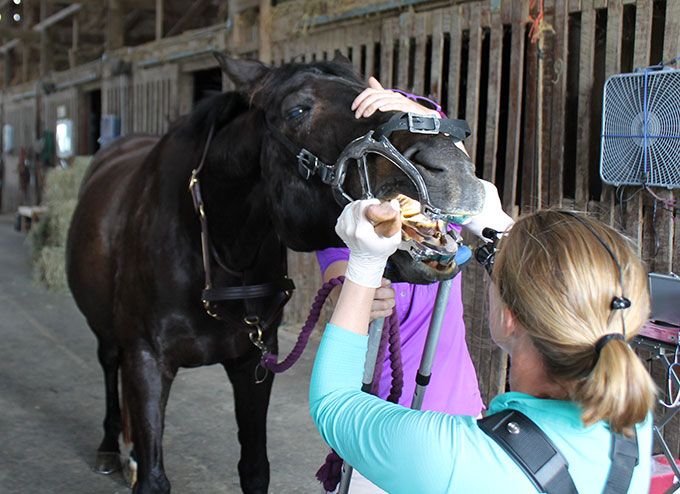
Your veterinarian needs a good look into your horse’s deep, dark mouth to perform a thorough dental exam. The answer? Proper sedation.

When faced with the decision of whether or not to send your senior horse into colic surgery, consider these factors.

Dr. Kelly Vineyard describes the best ways to help an older horse with poor dentition gain weight without putting him at risk of choke or GI problems.

When your older horse’s pearly whites are past their prime, keep an eye out for signs of specific problems.
Here are some tips for promoting nonworking horses’ optimal health (and preventing potential problems) with nutrition.

An owner’s Morgan mare might have something wrong with her teeth. A veterinarian with an interest in equine dentistry explains what to expect from the dental examination.