Reducing Your Horse’s Risk of Impaction Colic During Winter
Find out why your horse might be more prone to impaction colic during winter and how you can reduce the risk.

Find out why your horse might be more prone to impaction colic during winter and how you can reduce the risk.
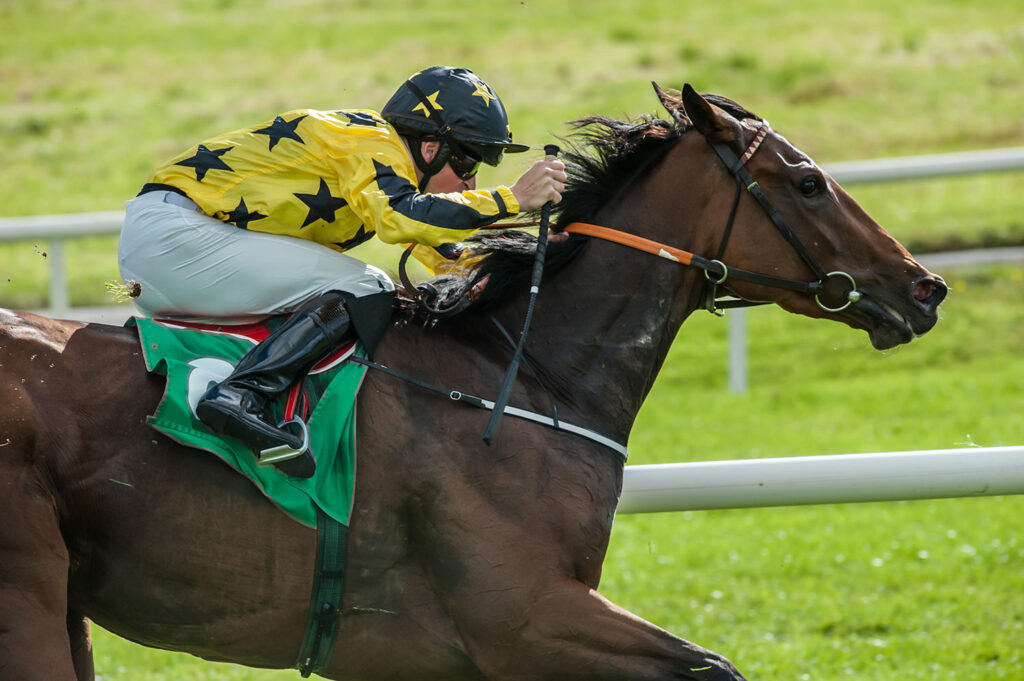
Researchers found ciclesonide is effective when treating young racehorses with moderate equine asthma over a short period of time.

Testing asymptomatic horses for EHV-1 at equestrian events is crucial for early detection and preventing potential outbreaks.

A modified borescope might be a more accessible way for equine veterinarians to perform endoscopic exams in working donkeys.

Researchers found that a schizophyllan and hyaluronan supplement might help veterinarians and owners manage EGUS.

Researchers discovered that a significant percentage of cart donkeys might have reduced tracheal function, while pack donkeys do not.

The guidelines provide updated insights on the transmission, diagnosis, and management of 2 viral causes of liver disease in horses.

Not all carbohydrates are created equal, and “low-carb” definitely doesn’t mean “no-carb.” A nutritionist explains.
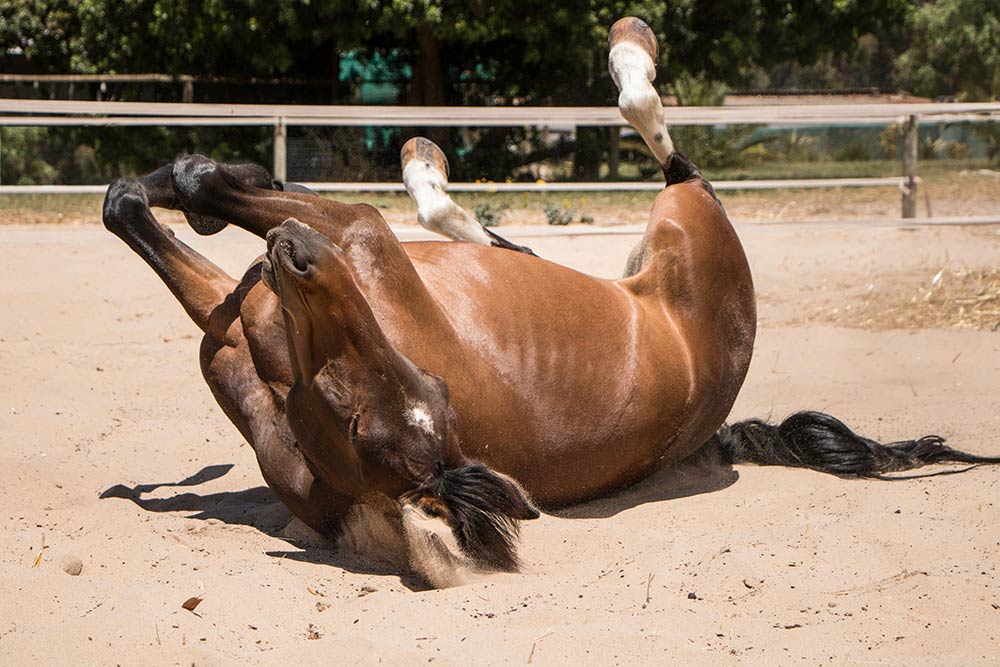
Don’t take a wait-and-watch approach when it comes to this common cause of colic in older horses.

Horses give us plenty of cues when they’re dealing with early illness. To help you recognize them and intervene accordingly, here is a 10-point list of warning signs.

Learn about new applications for biologic therapies to treat horses’ infertility, wounds, ligament injuries, and eye issues.

A podiatrist gives his tips for keeping a horse with chronic laminitis and equine metabolic syndrome comfortable.

An equine nutritionist shares tips to reduce impaction colic risk in senior horses, focusing on hydration, digestion, proper feeding practices, and more.

Learn about this life-threatening condition that occurs when Gram-negative bacteria or parts of their walls access a horse’s blood.

Here’s how you can recognize the early signs and risk factors for EGUS, and how veterinarians diagnose and treat the condition.

Equine neuroaxonal dystrophy (eNAD) and equine degenerative myeloencephalopathy (EDM) both plague the horse’s central nervous system.