Stop the Spread of Equine Infectious Disease
Here’s how equine veterinary clinics institute strict biosecurity measures to contain, prevent, and control disease outbreaks.

Here’s how equine veterinary clinics institute strict biosecurity measures to contain, prevent, and control disease outbreaks.

A USDA-APHIS investigation traced a multistate EIA cluster to contaminated IV flushes at a Texas clinic. Officials continue IDing and testing potentially exposed horses.

Expanding tick ranges and emerging pathogens are increasing the risk of tick-borne diseases in horses. Learn what researchers and vets say about protecting your horse.
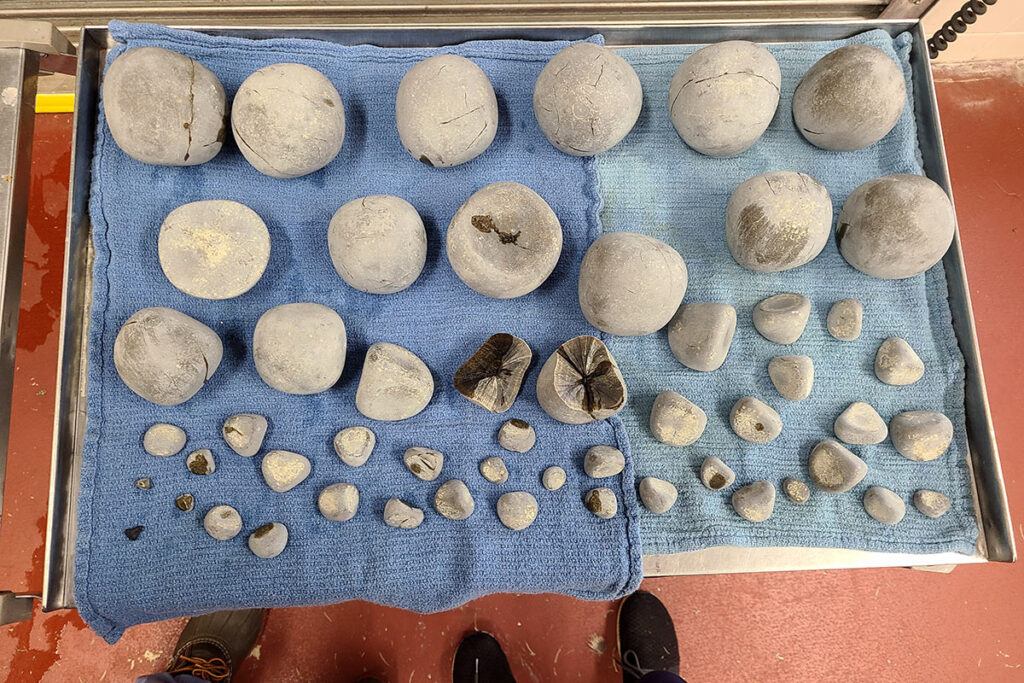
What are enteroliths and what happens if your horse has one (or several)?

Grass sugar levels shift with time of day, season, and weather. Careful turnout timing can help prevent problems in horses with EMS, IR, or a history of laminitis.
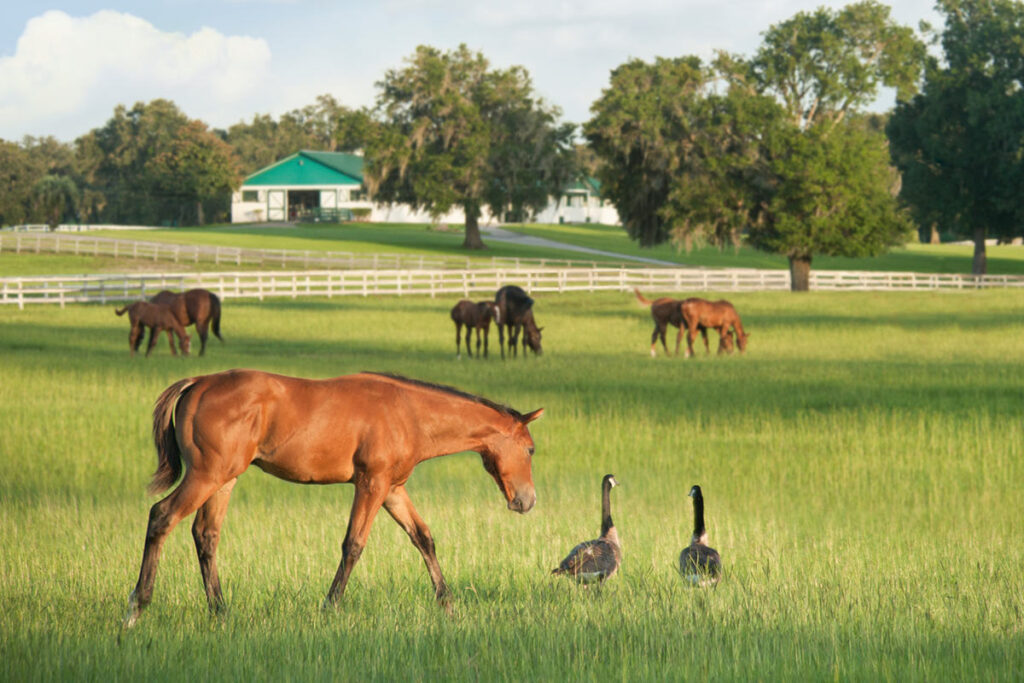
Here’s what scientists know about avian influenza and how it might affect horses.

Learn the latest on equine endocrine disease—causes, diagnosis, dynamic testing, and whole-horse treatment strategies—beyond just laminitis. Sponsored by Kentucky Performance Products.

Greater awareness and ongoing research mean fewer foals are being born with this genetic skin condition.

West Nile virus, now endemic on most continents, causes deadly neurological disease in horses, with vaccination remaining the only effective prevention.

During the 2024 AAEP Kester News Hour experts shared new research on equine genetics, atrial fibrillation detection, neck pain, and updated EHV guidelines.

As temperatures rise, tick activity increases—putting horses at risk. Learn how to identify tick-borne threats and implement effective prevention strategies.

Equine metabolic syndrome (EMS) is a metabolic disorder in horses that can cause obesity, insulin dysregulation, and laminitis. Sponsored by Equithrive.

The latest research-based recommendations on managing equine metabolic syndrome and insulin dysregulation. Sponsored by Equithrive.

Veterinarians administer risk-based vaccines based on a horse’s potential to contract certain diseases.

Respiratory viruses affect more horses than you might think, raising important questions for veterinarians and owners about diagnosis, management, and performance.

Horses with cellulitis need medical intervention from a veterinarian, but these efforts can be supported through a balanced diet. Here’s why.