The Complex Puzzle of Sarcoids
Get the facts on diagnosing and treating sarcoids in equids and what scientists are learning about this complex condition.

Get the facts on diagnosing and treating sarcoids in equids and what scientists are learning about this complex condition.
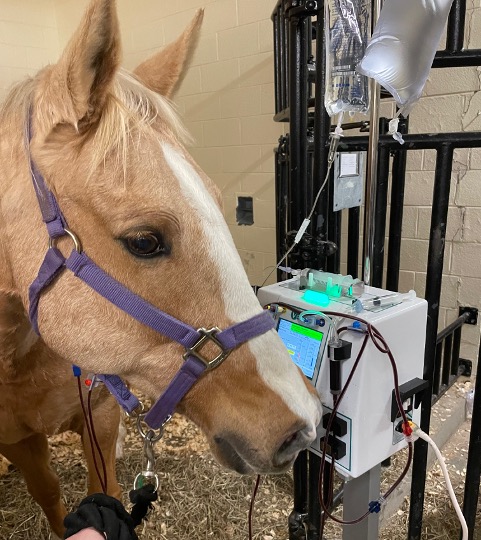
Hemoperfusion—filtering blood through a column to remove toxins—shows promise for managing sepsis in horses with pleuropneumonia, endotoxemia, and more.

Dr. Howland Mansfield answers a listener question about the connection between equine metabolic problems, such as PPID, and hind-limb lameness.
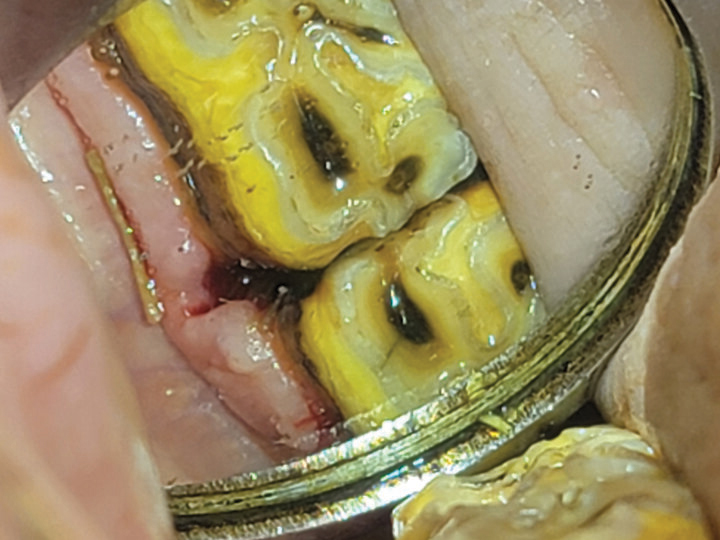
Learn why an annual veterinary dental examination is the foundation for good oral hygiene.

Get advice on encouraging a hard-keeper to eat more. The first step? Rule out health problems.

Learn about some of the common plants toxic to horses and their effects.
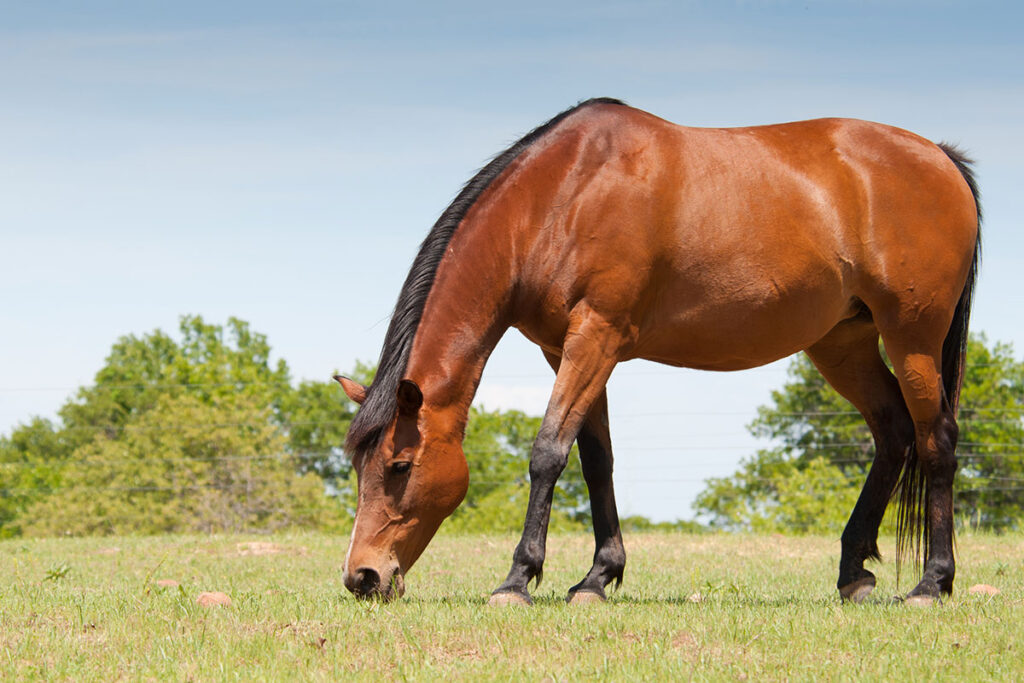
A resident in equine internal medicine conducted a study to find out what horses with fecal water syndrome have in common. The answer? Certain management practices.

Equine gastric ulcers often go unnoticed, especially in subclinical cases. Subtle signs can offer clues, while researchers explore biomarkers for future screening.

Learn how horses go from metabolic to laminitic and ways to manage them.

Learn about the more subtle signs of pain horses might express as undesirable behaviors and how veterinarians can pinpoint the cause.
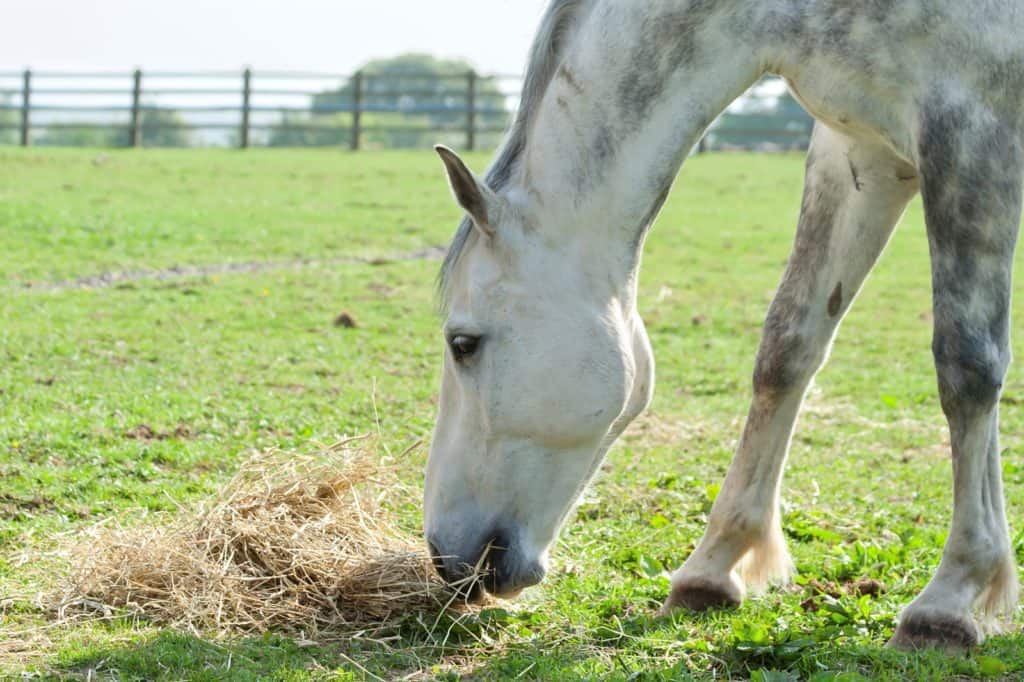
Learn about feeding your new horse during transport, quarantine, and the first few weeks at his new home.

Researchers linked specific behaviors to gastric disease in horses, which could help owners spot signs early and seek veterinary diagnosis and treatment.

Horses evolved to eat frequent, small roughage meals throughout the day, so why do we only feed them twice?

Horses still face the threat of West Nile virus. Dr. Sally DeNotta shares how it spreads, what signs to watch for, and why vaccination and mosquito control matter every year.

Researchers have identified equine infectious anemia surveillance gaps and uneven infection levels worldwide.

The diagnostic tests veterinarians use are evolving to improve how we manage infectious diseases in horses.