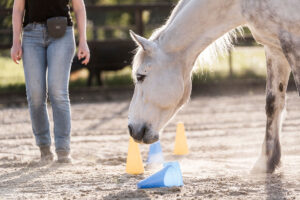
Top Tips for Safe Equine Weight Loss
Can horses lose weight too fast? Does exercise or dietary restriction work better for equine weight loss? Two experts answer these questions and more.

Can horses lose weight too fast? Does exercise or dietary restriction work better for equine weight loss? Two experts answer these questions and more.

Learn more about this respiratory disease and how it affects adult horses housed on pasture.
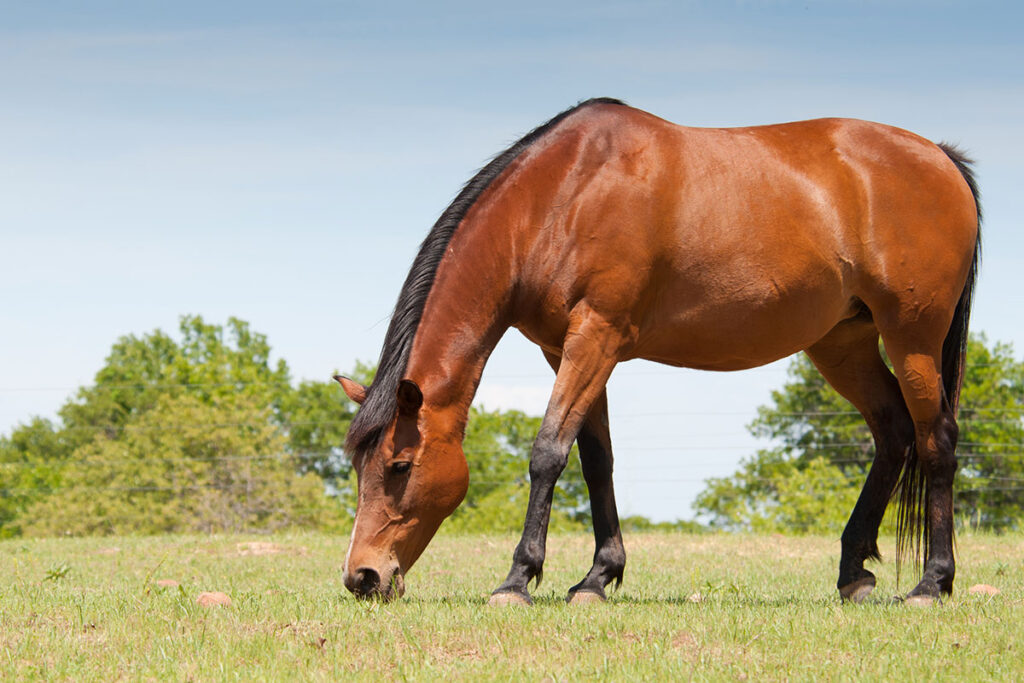
The horse’s gut microbiome could influence gastric ulcers, and while researchers have found microbial shifts with disease, their role remains uncertain.
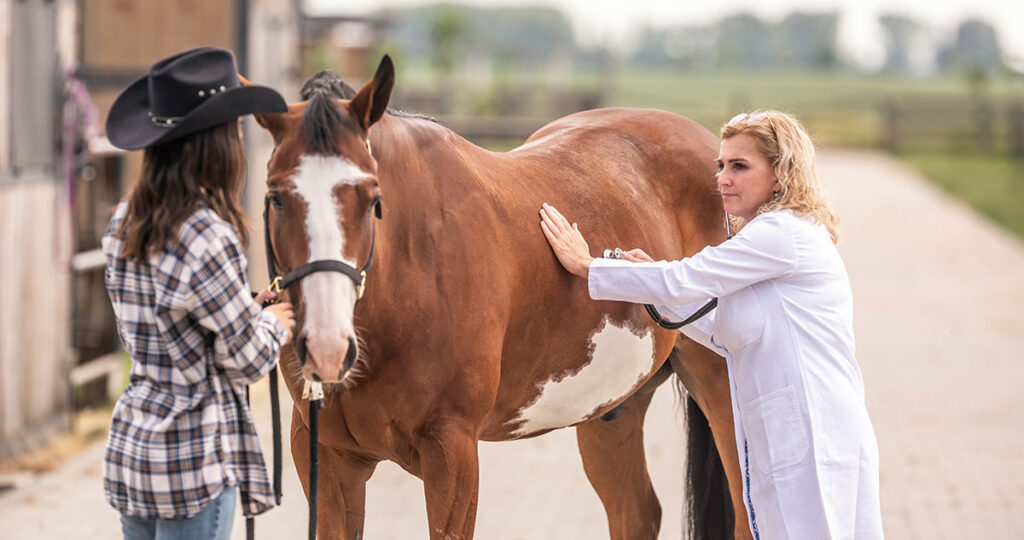
Financial planning and practical management help owners provide effective care for horses with chronic conditions or long-term injuries. Sponsored by CareCredit.

Common advice tells us not to feed horses before exercise. But this outdated belief might be hurting your horse.

Researchers say bump kinase inhibitors show promise in treating horses with this neurologic disease.

Veterinarians describe 9 common causes of poor performance in horses and what it takes to get a diagnosis.

Horses might need additional risk-based vaccines in the fall months, depending on location and activities.
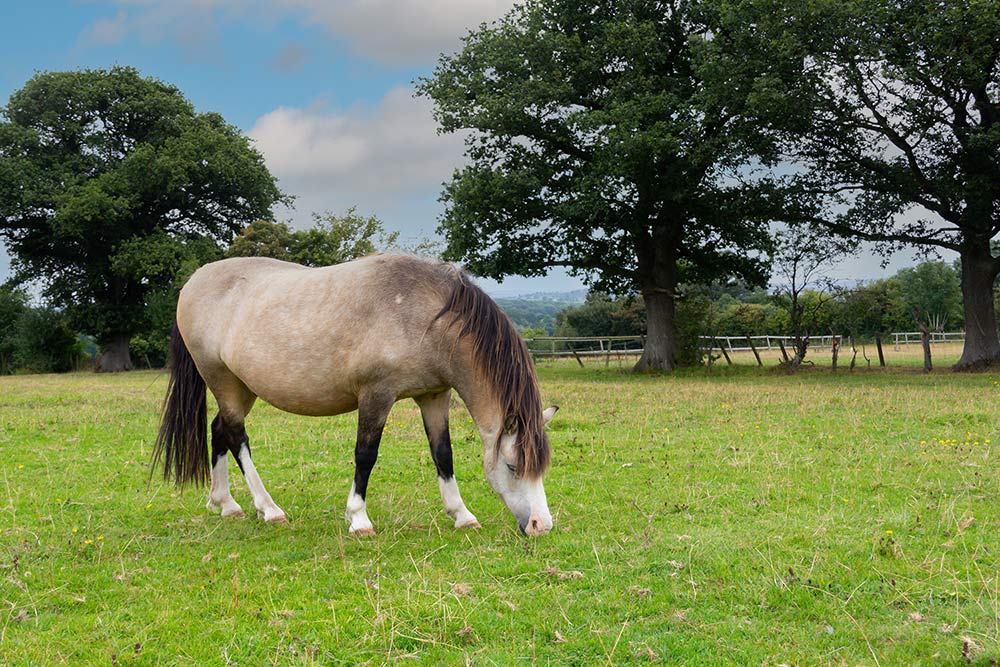
Learn tips and tricks for navigating the difficulties of managing overweight horses in this article from The Horse‘s Fall 2025 issue.
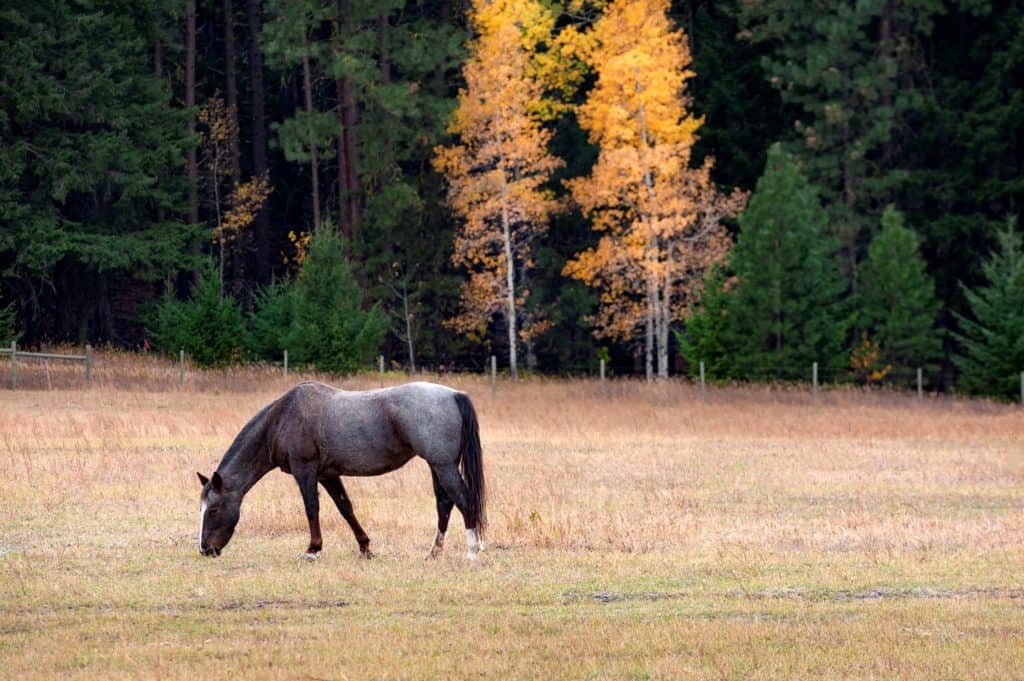
Nutritionist Dr. Clair Thunes shares advice on how to reduce your horse’s risk of colicking this fall.
Equine hepatitis viruses EqHV and EqPV-H can cause chronic or acute liver disease in horses. Early diagnosis, biosecurity, and prevention are key.
Here’s what researchers know about the role biomarkers might play in predicting and monitoring equine gastric ulcer syndrome.

One expert explains how exposure to dust can negatively affect equine respiratory health and how owners can reduce their horses’ risk.

Follow these 5 tips for feeding horses with recurrent colic while awaiting a diagnosis or targeted treatment.
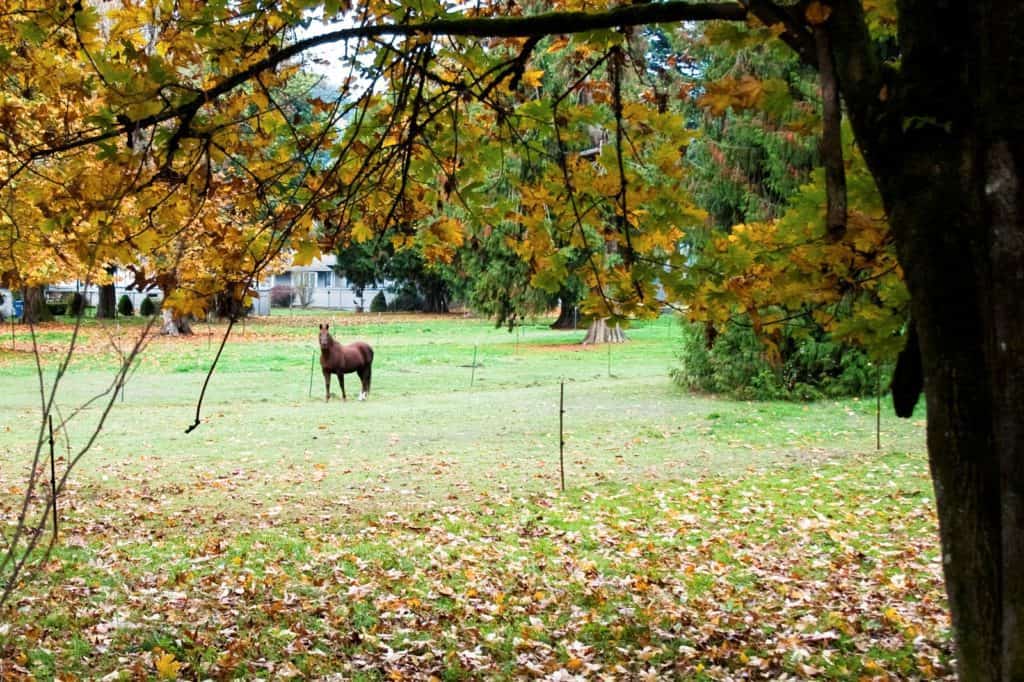
Is it okay for my horse to eat leaves that have fallen from trees in his pasture?

Learn why this congenital malformation occurs in foals and how veterinarians, owners, and breeders can treat and prevent it.