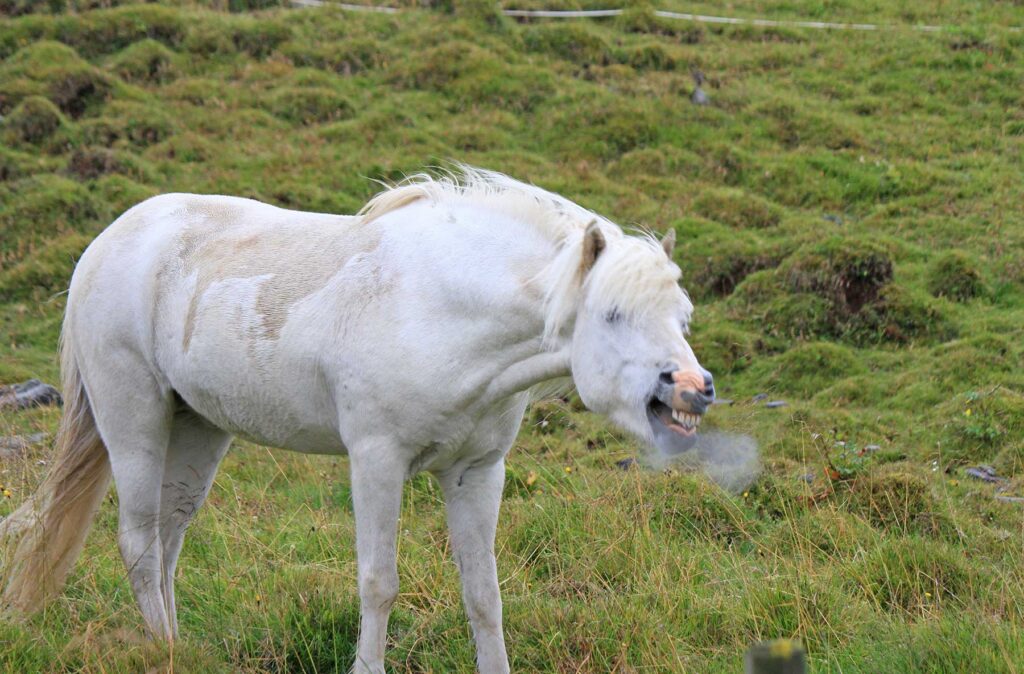
Signs of Respiratory Disease in Horses
Nasal discharge, coughing, and changes in breathing rate or effort can point to equine respiratory disease. Learn how to spot early warning signs.

Nasal discharge, coughing, and changes in breathing rate or effort can point to equine respiratory disease. Learn how to spot early warning signs.

An equine veterinary podiatrist says ice might help address this horse’s foot pain but won’t solve the main problem.
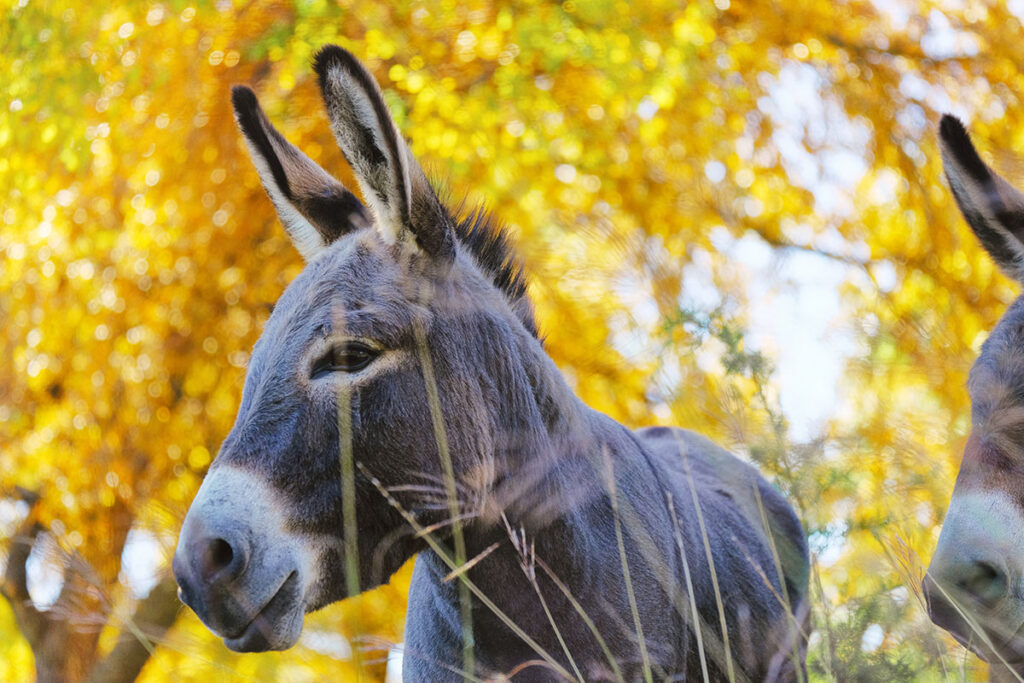
Read about the unique nutritional and management needs of these equids in the Fall 2025 issue of The Horse.

Researchers warn of rising EIA cases, with inapparent carriers and iatrogenic spread posing ongoing threats to horse health nationwide.

Yes, spring brings an increased risk of endocrinopathic laminitis for susceptible horses—but so does autumn. Here’s why.

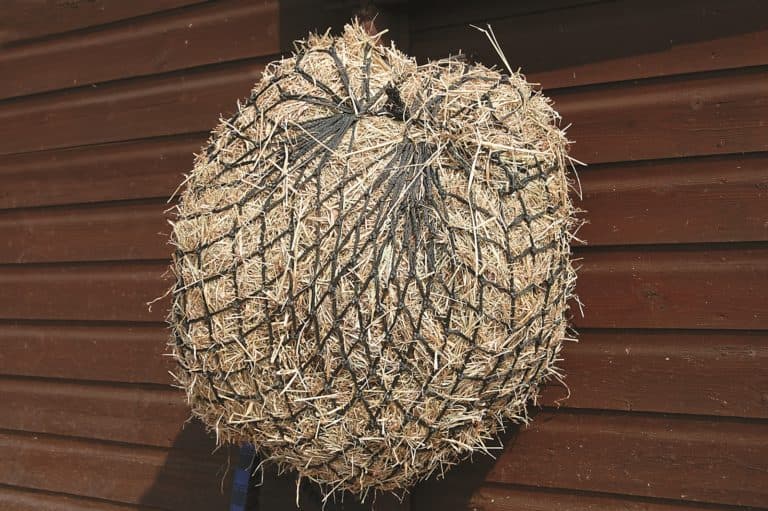
Good barn ventilation means air exchange, not just airflow. Open, airy stalls and well-timed chores help reduce dust and improve air quality.

Experts describe how to help horses experience a comfortable and healthy retirement.
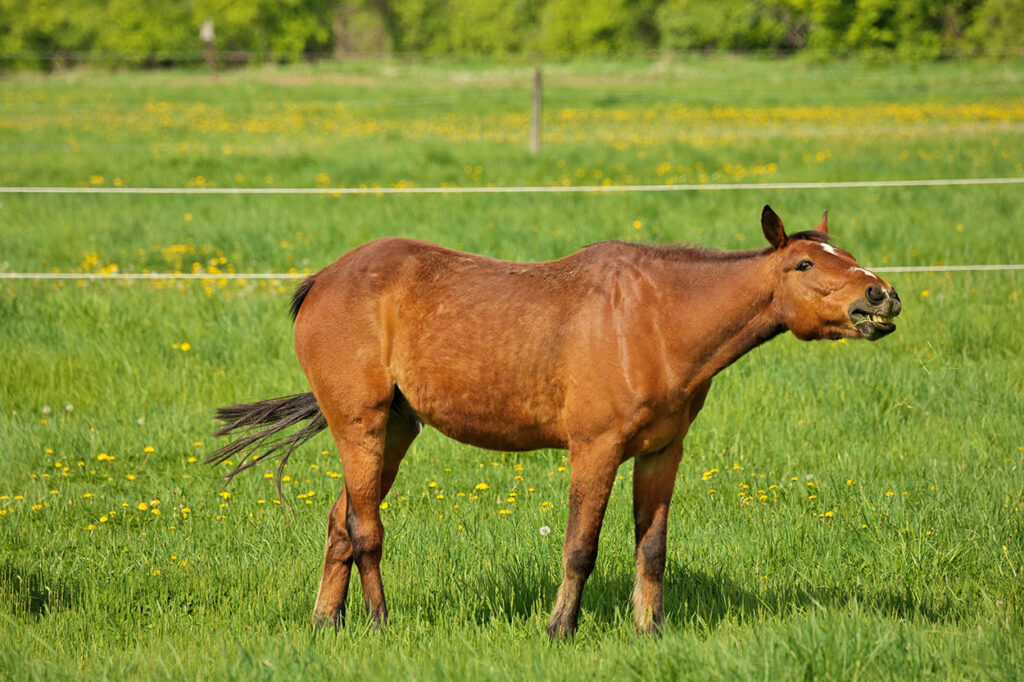
Vaccination, biosecurity, and sound barn management practices reduce the risk of equine respiratory disease and support faster recovery.
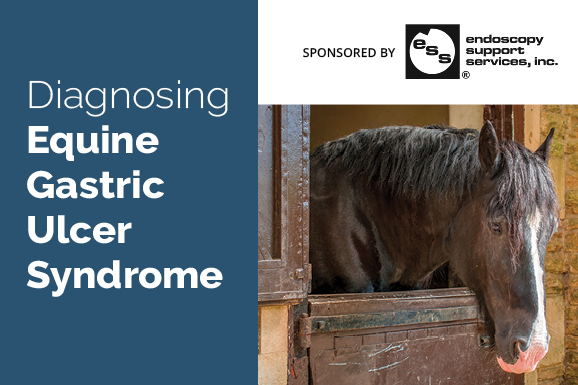
Equine gastric ulcer syndrome (EGUS) can only be definitively diagnosed through gastroscopy by a veterinarian. Sponsored by Endoscopy Support Services.

Five veterinary experts discuss the latest in diagnosing, treating, and preventing equine gastric ulcers in this roundtable. Sponsored by Boehringer Ingelheim.
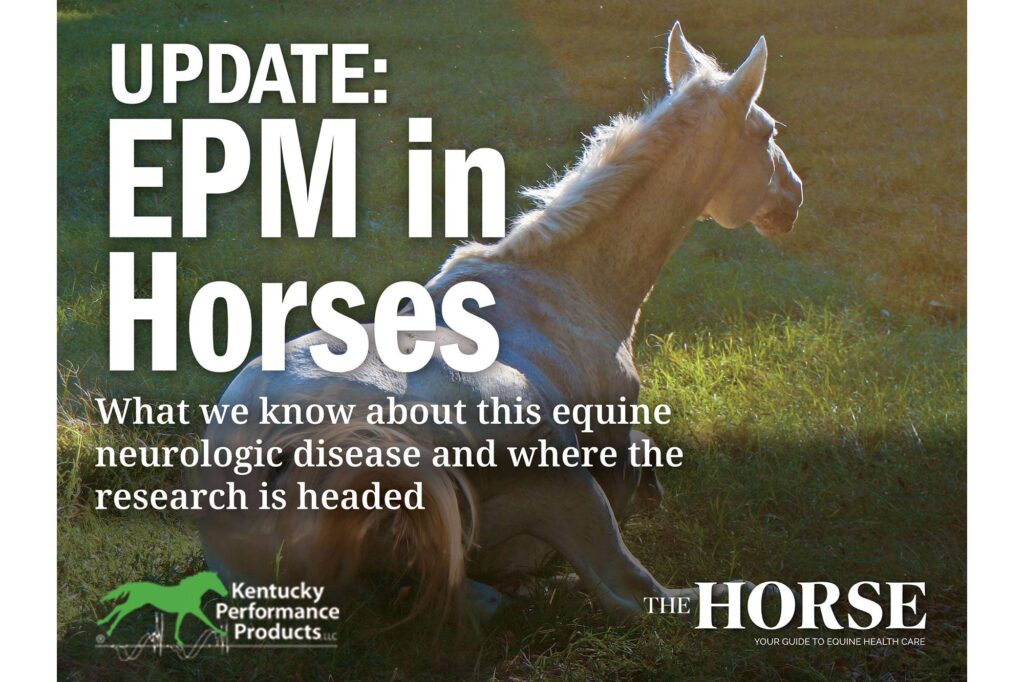
Equine protozoal myeloencephalitis (EPM) can cause devastating neurologic illness in horses. Here’s what veterinarians know about how to diagnose, treat, and prevent EPM, and where the research is headed. Sponsored by Kentucky Performance Products.
Managing chronic laminitis in horses calls for a proactive approach. Read more in the Summer 2025 issue of The Horse.

Correct diagnosis of equine asthma is crucial to finding a treatment that works for your horse.

Discover which horses can benefit from higher carbohydrate levels in their diets and the feeds that can supply them.

Vegetable- and marine-based sources can provide your horse with essential omega-3 fatty acids. Consider these factors when choosing an omega-3 supplement for your horse.
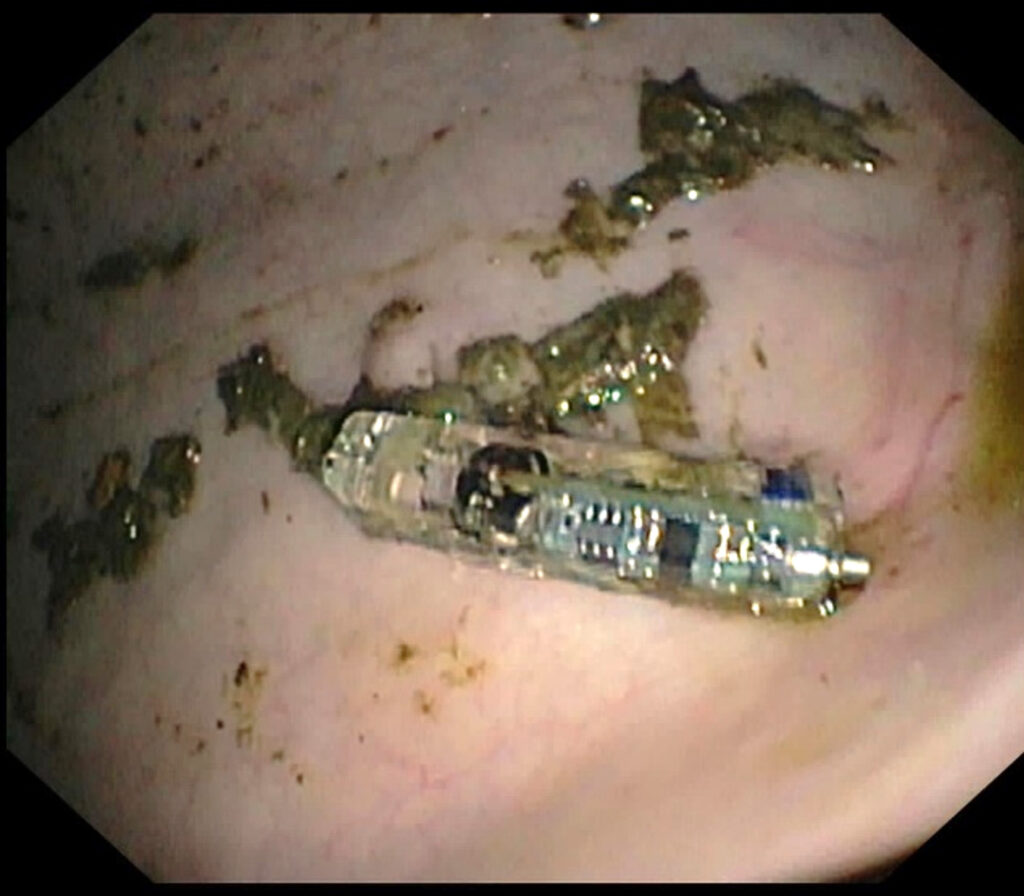
This capsule gives veterinarians and researchers a noninvasive way to track ulcer treatment progress in horses without repeated scoping.