Virginia Reports First Case of Equine WNV for 2015
The unvaccinated 5-year-old Choctaw mare from Orange County was discharged from a clinic after her condition improved.

The unvaccinated 5-year-old Choctaw mare from Orange County was discharged from a clinic after her condition improved.
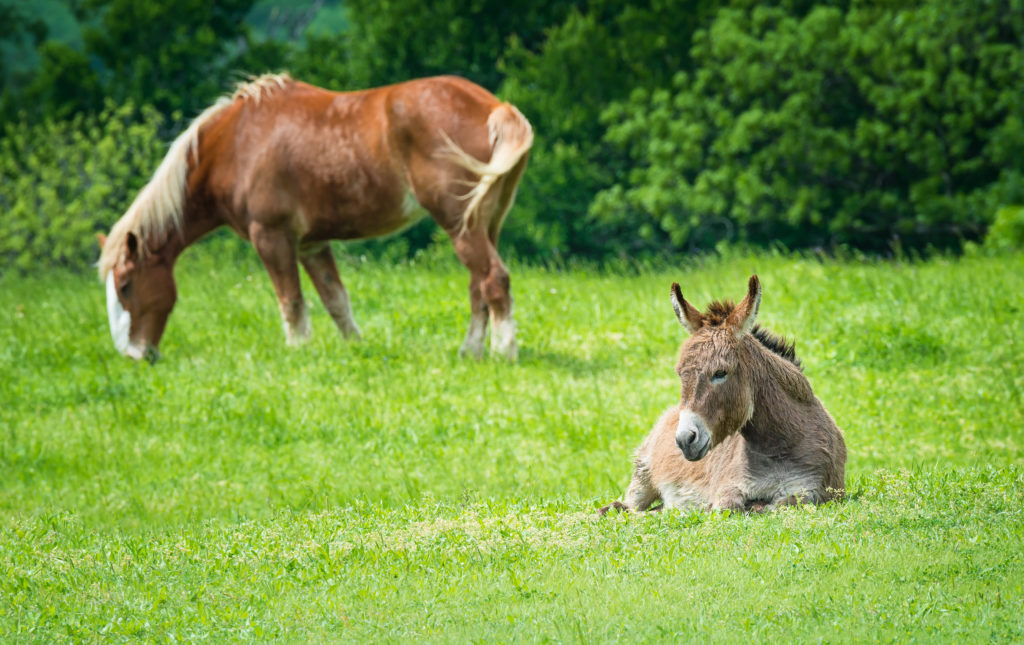
Researchers found no evidence that donkeys pose more of a disease threat than horses at mixed-equine events.

Researchers learned that the total bacterial load was higher in horses with heaves than in healthy horses, and more.

The summit will feature renowned academics and researchers, owners, trainers and industry leaders.
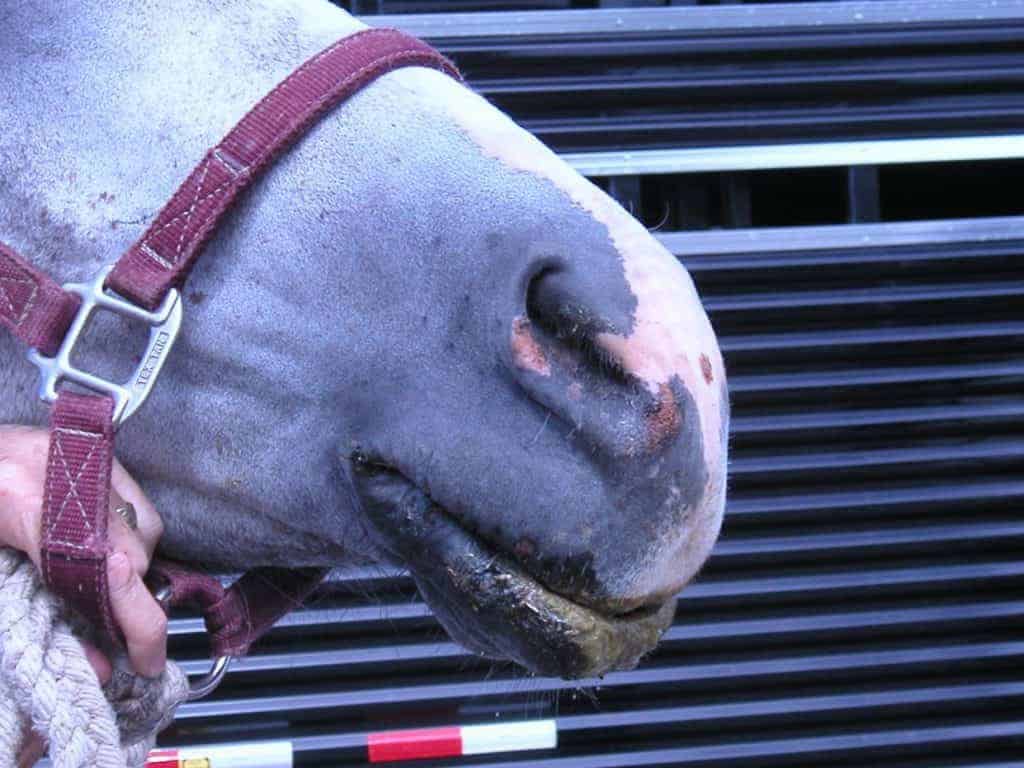
Cases reported in Archuleta, Chaffee, Conejos, Delta, La Plata, Larimer, Mesa, Montezuma, Montrose, and Weld counties.

Here are the steps to take and information to gather when faced with a colicking horse.

This is Greater Sudbury’s first equine West Nile virus case in more than a decade. The first was reported in 2004.

Owner-managed weight loss in horses with EMS reduced both insulin resistance and susceptibility to laminitis.

Researchers found that 69% and 54% of polo ponies examined had glandular and squamous ulcers, respectively.

Seven horses have tested positive for WNV and seven others were confirmed positive for EEE.
Anthrax is a bacterial disease caused by Bacillus anthracis.

Ophthalmologist Catherine Nunnery, DVM, will present “Equine Vision: What Does My Horse See?” on Sept. 8.

Researchers found that 59.2% of horses aged 11 to 15 had hooks, 30.8% had wave mouth, and 26.7% had periodontal pockets.

Fumonisins are dangerous mycotoxins sometimes found in feed. Here’s what to watch for and how to protect your horse.

Vaccinated horses demonstrated at least 97.4% cross-reactivity to three recent EIV isolates.
Cases have been confirmed in Archuleta, Chaffee, Delta, La Plata, Larimer, Mesa, Montezuma, and Montrose counties.