Tips for Preventing Equine Gastric Ulcer Syndrome
What can you do to protect your horse’s sensitive stomach against gastric disease?

What can you do to protect your horse’s sensitive stomach against gastric disease?

Researchers found horses with gastric ulcers are under greater oxidative stress and concluded the animals might benefit from additional antioxidant therapy.

Here’s how officials plan to keep international equine athletes safe from infectious disease in Versailles.

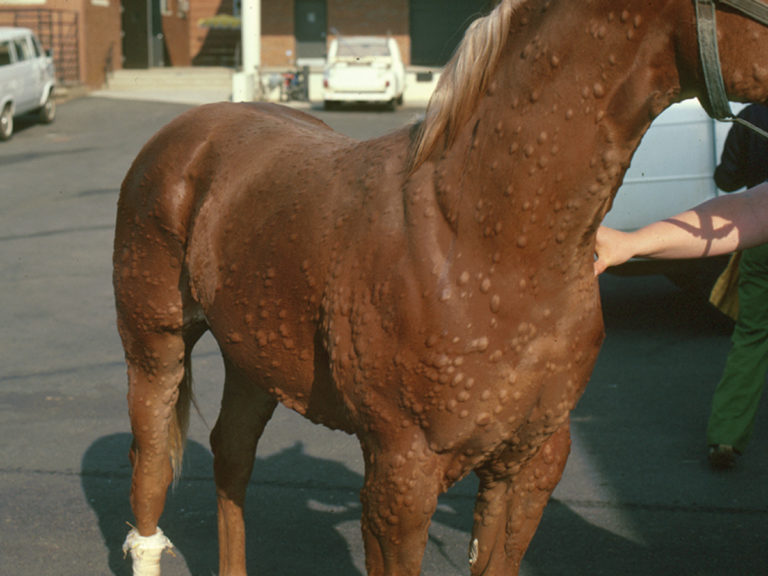
Experts share the causes of this uncomfortable skin reaction in horses, along with treatment options and prevention strategies.

Dr. Frank Andrews describes how you can reduce your horse’s risk of hindgut ulcers while helping him safely lose weight.

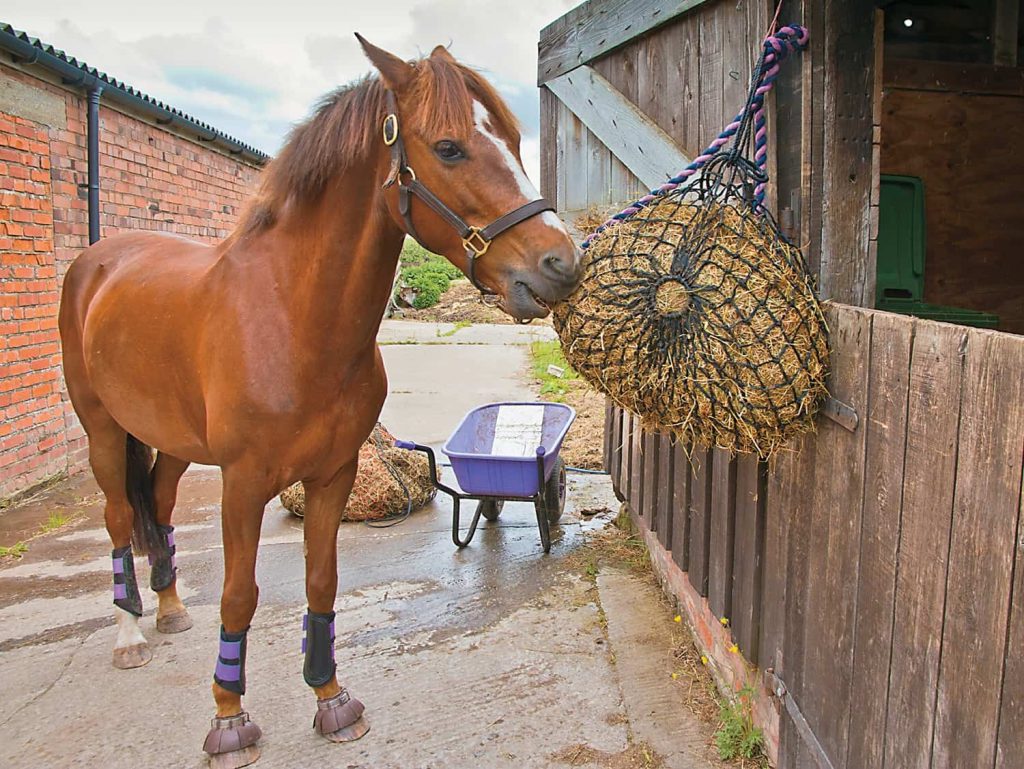
Providing forage before an early morning ride can help reduce your horse’s risk of developing ulcers.
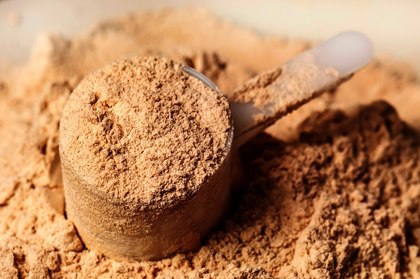
Select an equine gastric support supplement containing active ingredients backed by peer-reviewed research.
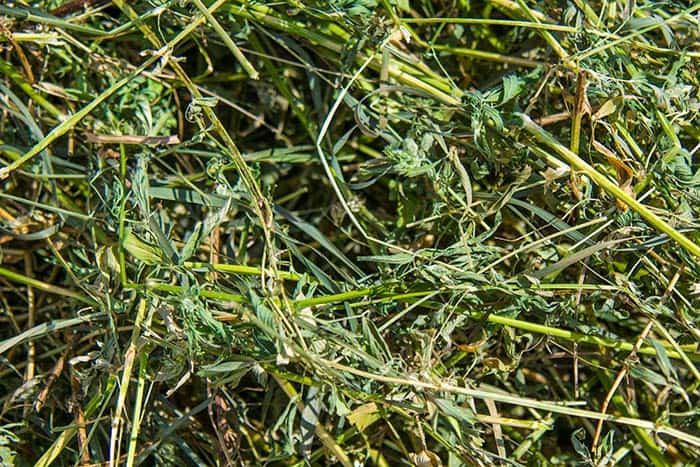
When fed correctly, alfalfa might help prevent gastric ulcer development. One expert explains the importance of timing and amount when feeding horses alfalfa.

Find out whether a horse diagnosed with ulcers should be on a special diet.
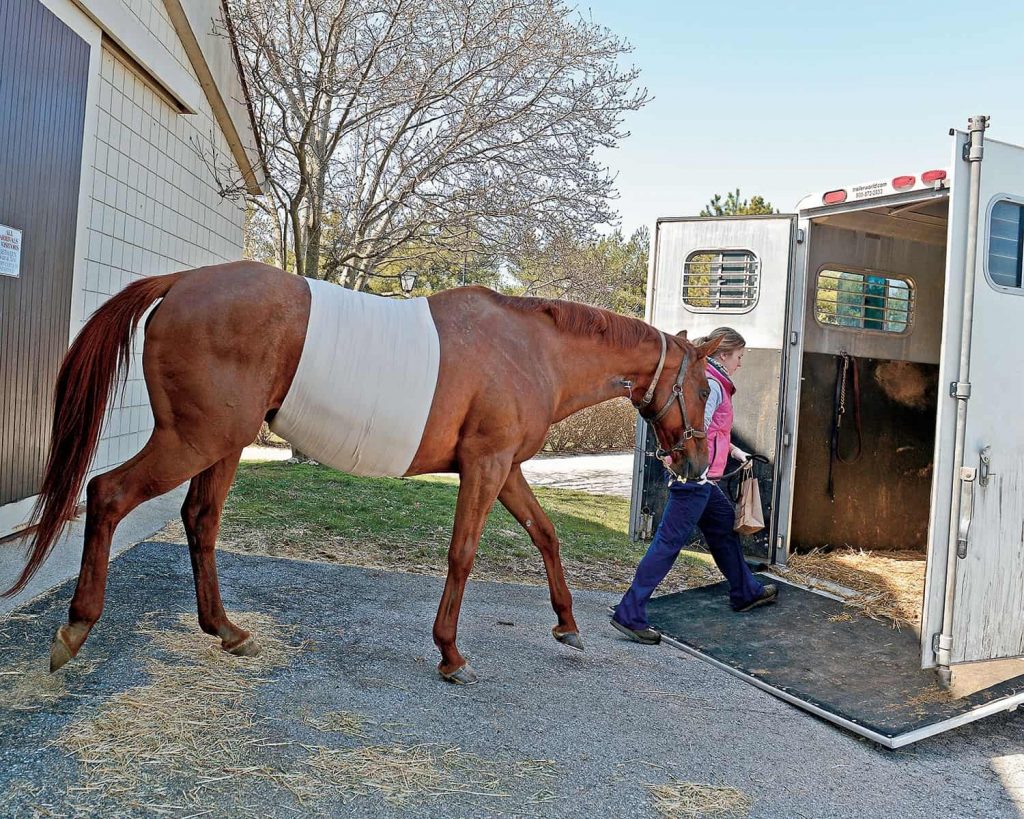
The stress of surgery and the management changes that follow can cause gastric ulcers in horses. An equine nutritionist describes possible solutions.

Learn to read the vast and varied signs of equine gastric ulcer syndrome.

Do certain concentrates increase gastric ulcer risk? A nutritionist answers this commonly asked question.
Does your horse struggle with gastric ulcers? Learn how to identify this painful condition and how veterinarians might diagnose and treat it. Sponsored by SmartPak.

Researchers believe adding alfalfa pellets to your horse’s diet might help manage and prevent ulcers in the lower region of the stomach.

Sand accumulation in the horse’s gut can lead to obstructions, irritation, and signs of colic, weight loss, and diarrhea.

Glandular ulcers involve different risk factors and treatments than squamous ulcers. To help, address an affected horse’s exercise frequency, stress, and environment.