Bacterial and Fungal Skin Infections in Horses: Know the Difference
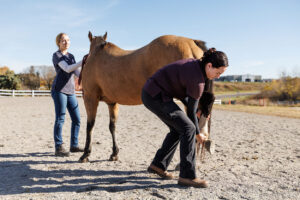
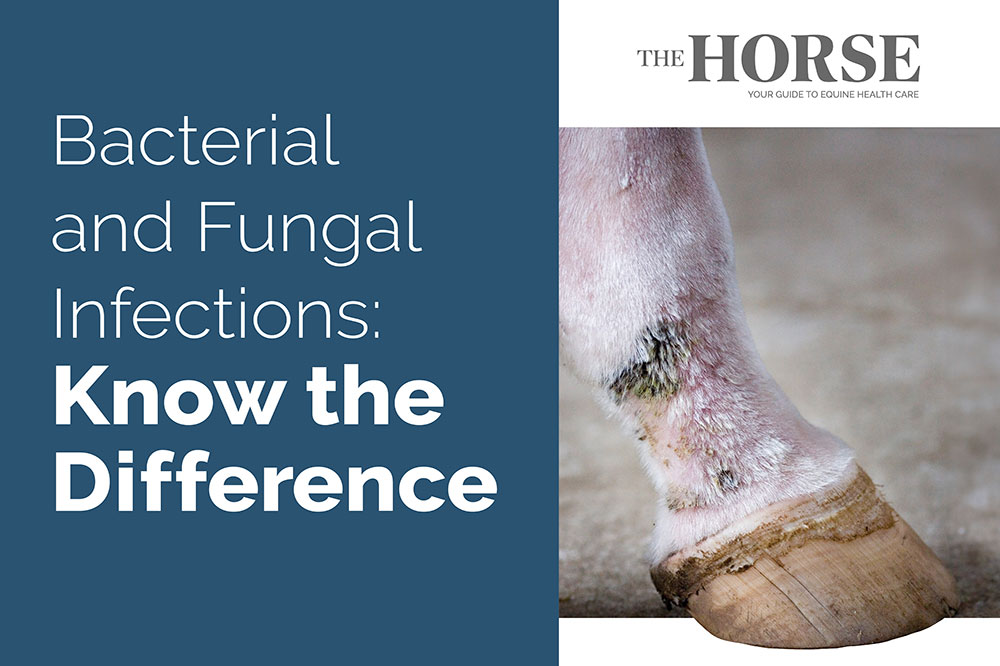
A horse with a crusty, infected skin lesion often needs diagnostic testing from a veterinarian to determine if bacteria or fungi are to blame.

A horse with a crusty, infected skin lesion often needs diagnostic testing from a veterinarian to determine if bacteria or fungi are to blame.

Learn where biosecurity understanding is lacking among horse owners and what you can do to protect your horse from infectious diseases.

Hives can be caused by environmental factors including warm and wet weather. Learn how to determine what triggers your horse’s hives and how to manage them.

Infectious diseases such as equine herpesvirus can be spread via exposed horses and on equipment. Here are the best ways to avoid this and keep your horses healthy.

Horse shows and events can act as petri dishes for infectious agents. Learn about the common pathogens horses encounter and how to protect your horse from them.

Discover how 2 experts identify and treat skin problems in horses. Sponsored by KineticVet.

One expert explains what might cause extreme itchiness in ponies (and horses) and how your veterinarian can diagnose and treat it.

A nutritionist answers questions about the nutritional needs of older equids, covering topics such as senior feeds, metabolic disease, and helping horses gain weight.

Insect bite hypersensitivity can negatively affect horse health and welfare. Find out what treatments researchers are developing to help horses with sweet itch.

Horses with asthma have more nerves in their airways than unaffected horses. Researchers believe these new findings could lead to improved equine asthma treatments.
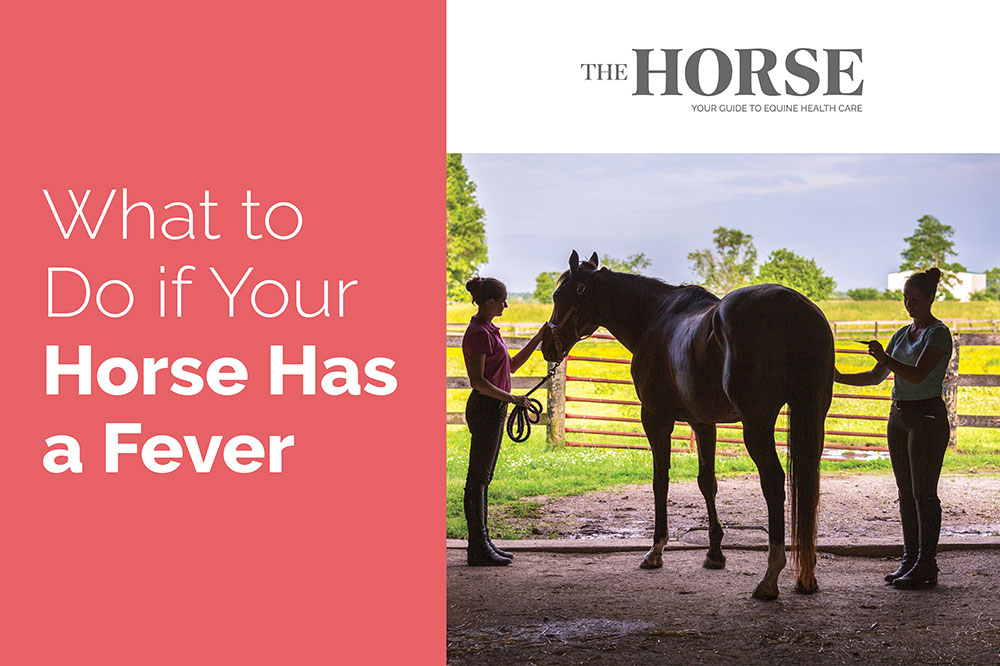
Understand the causes of your horse’s fever to be able to take quick action before a situation becomes critical.

If you suspect your horse has a metabolic disease, timely and accurate diagnostic testing is essential to developing a management plan.

Veterinarians must consider certain factors when performing diagnostics to identify the source of respiratory disease.

Here’s what you can do to help your allergy-prone horse prepare for the onslaught of seasonal allergens.

Learn how allergies happen, how they affect your horse’s body, and how to avoid or treat them.

Follow the steps in this visual guide to relieve your horse’s clinical signs of insect bite hypersensitivity and prevent future flare-ups.