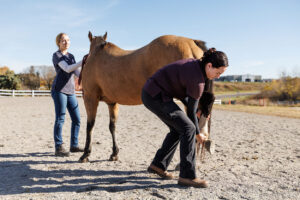
Your Guide to an Outrageously Shiny Equine Coat
Experts share feeding, grooming, and bathing tips to keep your horse’s hair coat gleaming.

Experts share feeding, grooming, and bathing tips to keep your horse’s hair coat gleaming.

Gait-altering conditions such as EPM, wobbler syndrome, and Lyme disease can be tricky to spot and even more difficult to diagnose.

What should and shouldn’t horses with heaves (or equine asthma) eat? A nutritionist offers advice.

There’s nothing appealing about this seasonal skin condition. Here’s what experts know about managing, treating, and preventing sweet itch in horses.

After years of speculating that colic occurs more frequently in horses that crib, researchers have finally provided consistent data confirming this association.
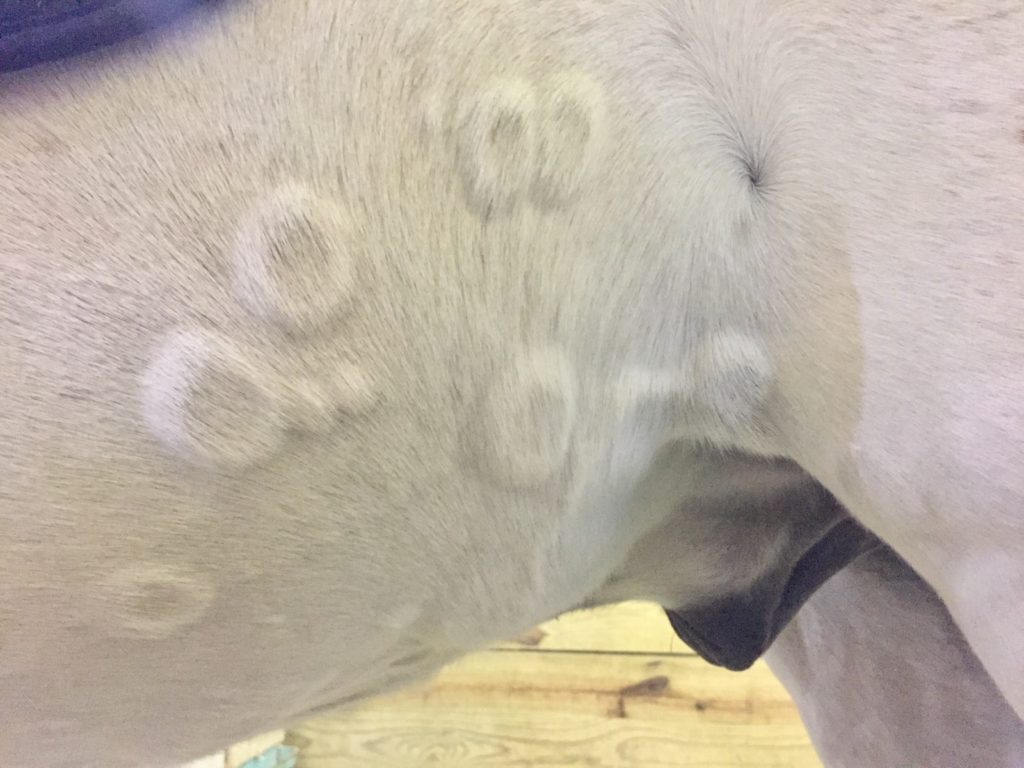
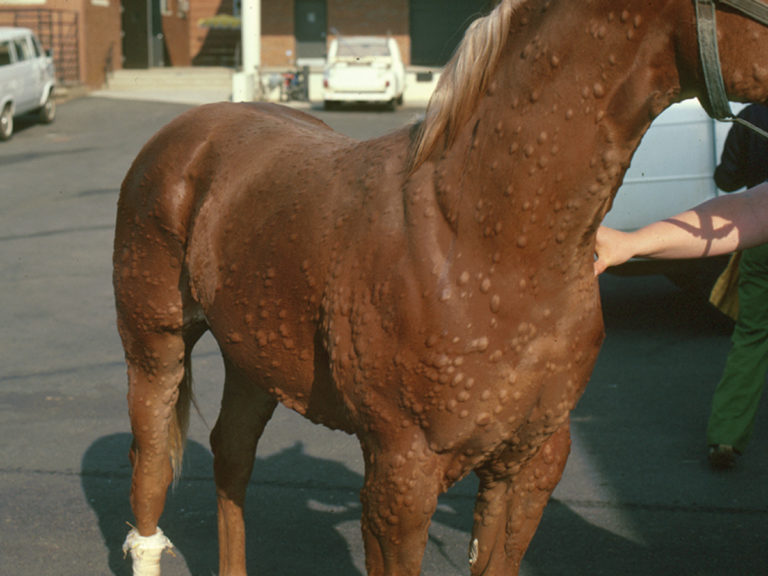
One expert explains why horses get hives and how they can be treated.

Learn why this antioxidant is important for muscle health and how to supplement it safely.

Do you have a horse with insect bite hypersensitivity, contact dermatitis, or respiratory allergies? Learn how to make him more comfortable. Sponsored by KineticVet.

Humans, not insects, are now the major source of equine infectious anemia (EIA) infections.

Find out what conditions, beyond lameness, a veterinarian might uncover during a prepurchase exam.

One equine nutritionist offers dietary advice that might help reduce inflammation and guard against gastric ulcers during NSAID treatment for uveitis.

Learn about 10 common plants, chemicals, organisms, and toxins your horse should never eat.

Find out what a veterinarian might look for when examining a horse that loses his balance after jumping a fence.

Researchers suggest high-protein diets might be harmful for horses with ID.

Horse show environments can put sport horses at risk for developing skin problems. Learn what causes common skin issues and how to return horses to top form.

Veterinarians should consider medications for controlling hyperinsulinemia in horses only when diet and exercise prove insufficient.