Vets in Australia Support New Biosecurity Bills
The bills are designed to strengthen control measures to better manage the risk of diseases entering Australia.

The bills are designed to strengthen control measures to better manage the risk of diseases entering Australia.

Drought conditions pose unique health care and management challenges for horse owners. Here’s what you need to know.

Learn what steps you can take to help ensure your horse’s feed is safe for him to consume.

Horses can develop signs of toxicity soon after eating the plant or its seeds, but residual signs can persist for weeks.
The stray donkey tested positive after being apprehended and quarantined at a USDA holding pen in Texas.

Horses require two doses of the vaccinations initially and then boosters at least annually.

Study findings included that colts were at a higher risk than fillies for developing disease, and foals weaned after August were at lower risk for developing EPE than those weaned earlier.

Administering hyperimmune plasma (HIP) seems to have a positive effect on limiting R. equi infections.

Learn about emergent diseases and what steps we can take to help stop illnesses’ spread into unaffected countries.

Horses undergoing multiple colic surgeries in a 14-day period are at greater risk for incisional infections.

Bits that do not fit properly, are aggressive, or used incorrectly can cause damage to horses’ mouths, researchers said.

Researchers determined that administering subconjunctival allogeneic stem cell injections to horses appears safe.

Bats have moved into one horse owner’s barn. Find out if that’s a good or bad thing.
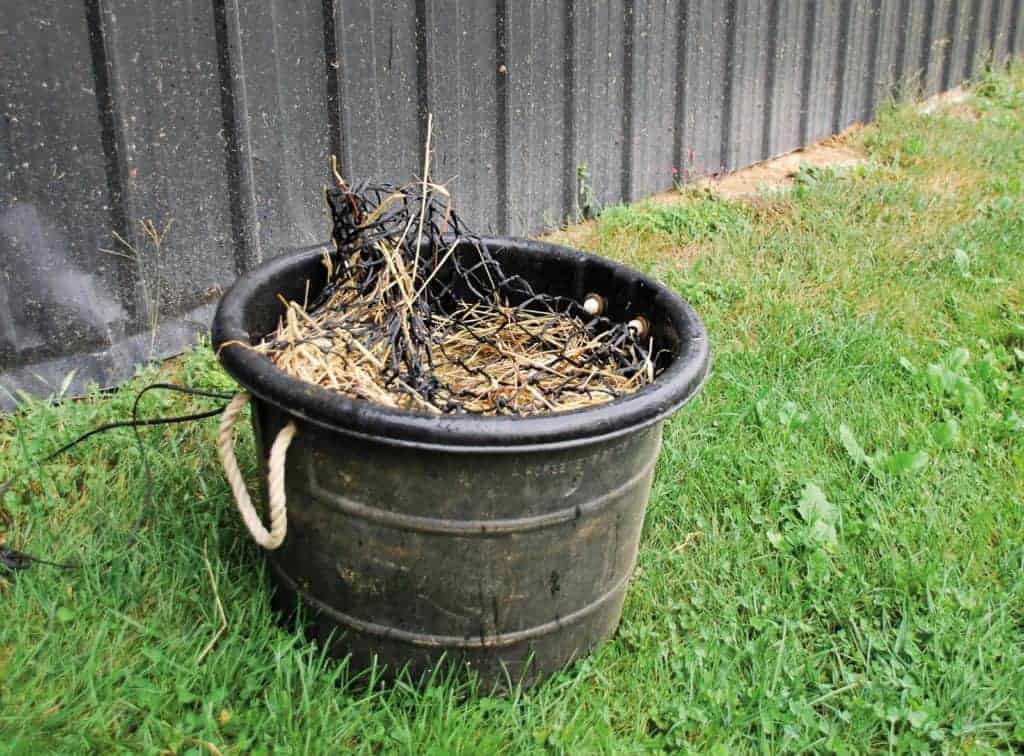
In some cases, hay needs to be modified slightly to decrease the soluble sugars to maximize the hay’s benefits. Here’s what you need to know.

Learn how veterinarians can use these methods in concert to diagnose colic in horses.
Equine Guelph and Intercity are providing online workshops and tools to help owners reduce colic risk.