Vesicular Stomatitis Confirmed in Arizona, Utah Equids
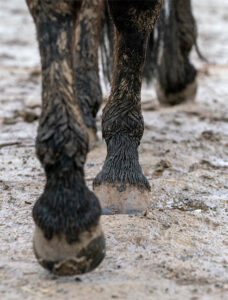
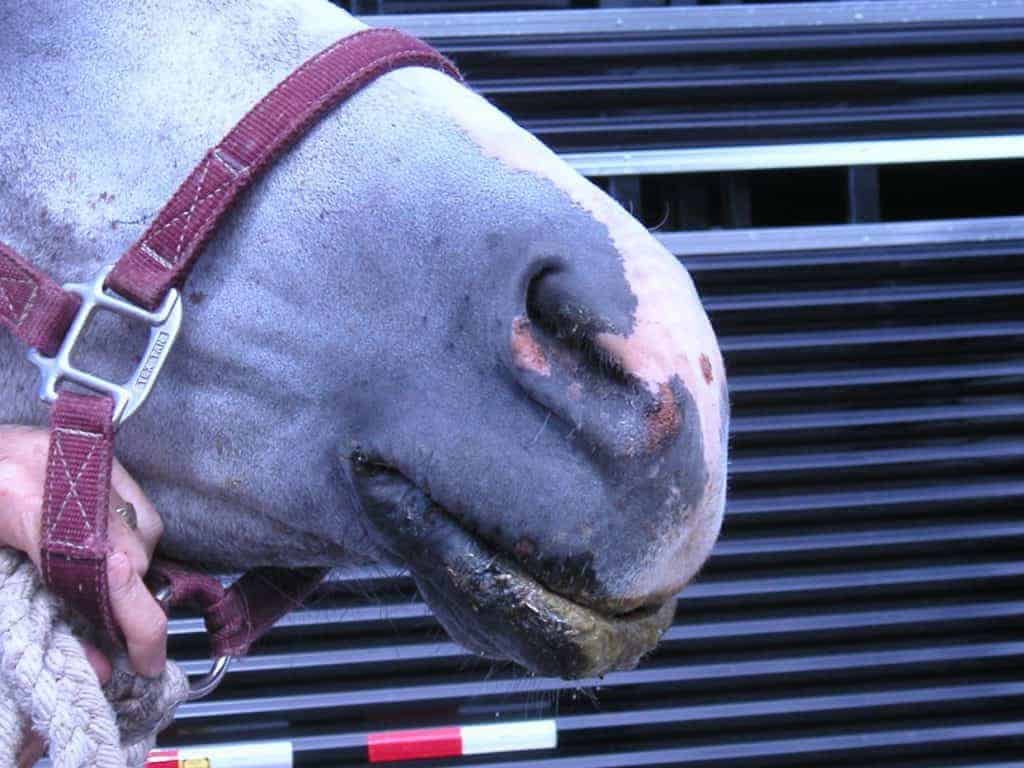
Two Arizona horses and a Utah mule have tested positive for vesicular stomatitis.

Two Arizona horses and a Utah mule have tested positive for vesicular stomatitis.
Study topics include keratitis, corneal surgery, corneal neoplasia, uveitis, glaucoma, and more.

About 90% of performance horses and 25 to 50% of foals have ulcers. Here’s what to watch for and how to prevent them.

Find out what the equine genome can tell us about our horses and preventing genetic disease.

Many conditions common to foals can contribute to or cause auditory dysfunction. Here’s what to watch for.

There are currently four confirmed cases of equine infectious anemia in the western part of the state.

Officials are managing two vesicular stomatitis cases: one in a Grant County horse and one in an Otero County horse.

Often used to treat dorsal displacement of the soft palate, the technique also appears useful for treating dysphagia.

A horse’s coat color genetics are important not just for aesthetic reasons; they can also have health implications.

Owners are encouraged to vaccinate their horses prior to the onset of peak mosquito season.
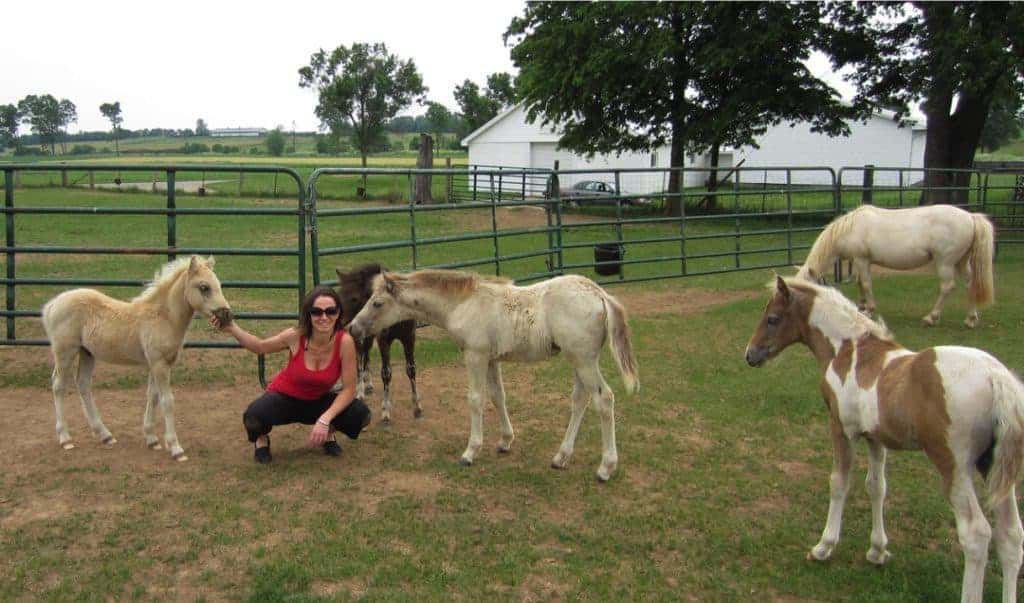
Sanz’s research has focused on Rhodococcus equi, a microorganism that causes pneumonia in young foals.
Comments are requested on a proposed approach for controlling equine infectious anemia (EIA) in Canada.

This painful dental disease is often seen in older horses and can have severe consequences. Here’s what to watch for.
Studies indicate that some ulcer products contain a wide range of omperazole, from as little as 27% to as much as 126%.
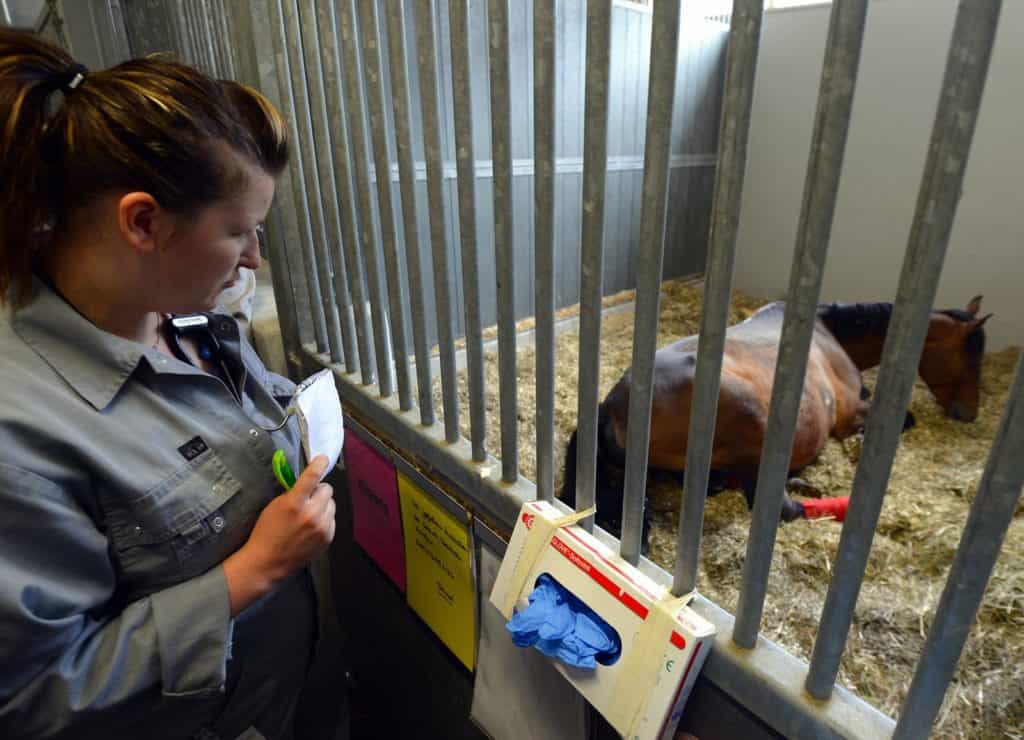
In the researchers’ clinic colic incidence among each group of patients was not significantly different.
A filly goes to the trainer and ends up sick and with ulcers. Will they return when she goes back into training?