Ensure Horses are Vaccinated Against EEE, WNV, and Rabies
Timely vaccination has been shown to decrease disease incidence drastically.

Timely vaccination has been shown to decrease disease incidence drastically.
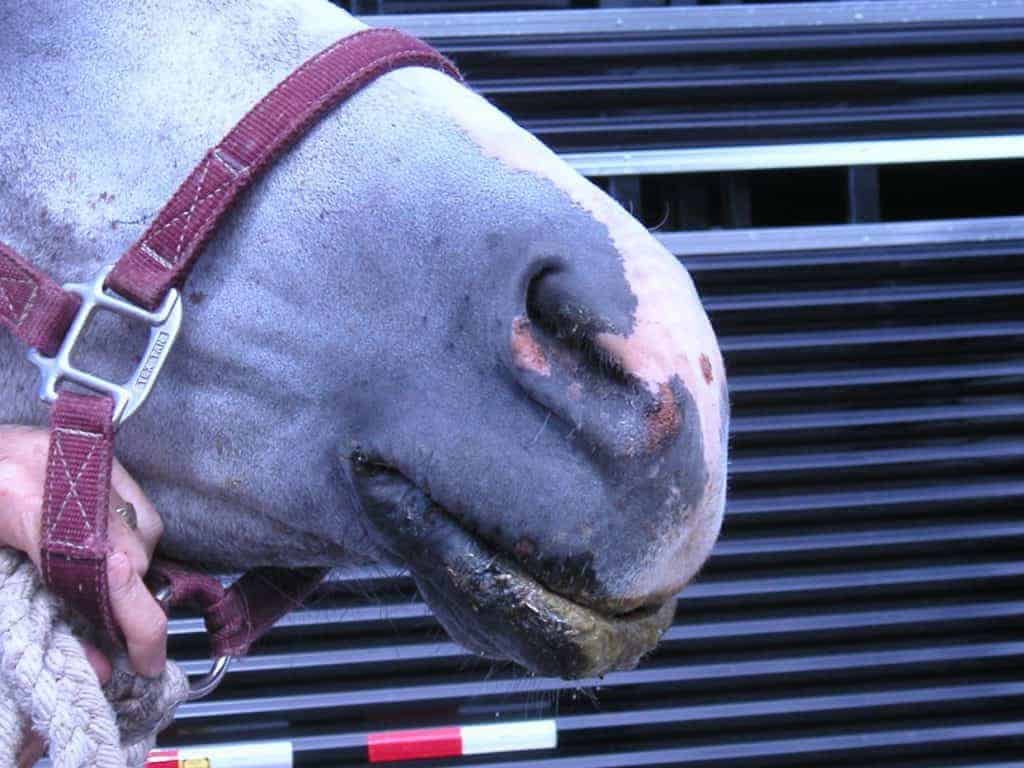
Earlier this month three horses in Pecos County, Texas, tested positive for vesicular stomatitis (VS), as well.

Toxic reactions to bites are uncommon in horses, but when they do occur the consequences can be serious.
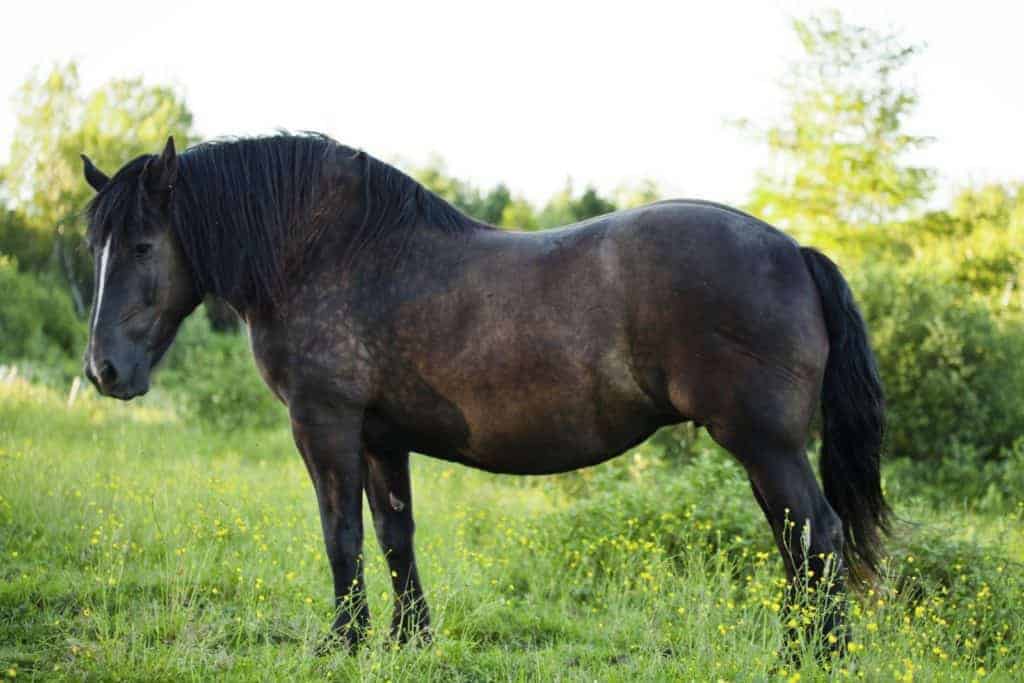
The new body condition index is designed to enhance the value of traditional body condition scoring.

Researchers found that omega-3 fatty acid supplementation can reduce signs of chronic lower airway disease in horses.

Risk factors identified include height, a previous history of laminitis, breed, herd size, and more.

Dull coat? Cinchy? Thin? Your horse might be one of the 50-90% suffering from gastric ulcers. Get your gastric ulcer questions answered during our live Q&A event.
Laura Johnstone, BVSc, MVSc, Dipl. ACVIM, will discuss treating cancer in horses on June 2.

The three horses reside at a single farm in Pecos County, located approximately 30 miles north of Fort Stockton.

Vaccination can help reduce horses’ risk of developing rabies if bitten by an infected animal.
Officials said all fourteen equids placed under quarantine were released as of May 14.

Researchers tested whether a novel S. equi vaccine could better prime a vaccinated horse’s immune response.

A correct diet can make these sometimes-debilitating conditions manageable.

Scientists from UC Davis studied low-dose diclazuril administration in foals and adult horses with positive results.

Misoprostol, which can cause abortion in humans, is used to prevent or treat right dorsal colitis in horses.
The California Department of Food and Agriculture determined that a Turf Paradise horse had vesicular stomatitis (VS).