Ways to Reduce a Cribber’s Colic Risk
Researchers’ don’t necessarily recommend preventing a horse from cribbing. Rather, they suggest maximizing a horse’s turnout time and making sure forage is available at most times.

Researchers’ don’t necessarily recommend preventing a horse from cribbing. Rather, they suggest maximizing a horse’s turnout time and making sure forage is available at most times.

For years, veterinarians have recognized equine coronavirus (ECoV) as a cause of intestinal disease in foals. Recently, however, gastrointestinal illness associated with ECoV has been seen in adult horses.
Recurrent airway obstruction is a chronic respiratory problem similar to asthma in humans. Help your heavy horse breath easy with tips from our visual guide.

Environment also to blame in exercise-induced pulmonary hemorrhage cases so severe that horses bleed from the nostrils.

Find out which foreign animal diseases North American horse owners need to keep an eye on and why.
A glossy hair coat is a sure sign of horse health. Discover the steps to bringing out the best in your horse’s coat in our visual guide.

Dr. Sharon Spier, U.C. Davis, Calif., explains horses’ vision; what a horse sees in a collected frame, equine night vision, how blind spots affect the approach to jumps, and much more!

Learn what dental problems veterinarians manage in senior horses and how owners can help monitor them.

Endotoxemia is a serious condition resulting from the presence of endotoxin in a horse’s blood. It has several causes, ranging from retained fetal membranes after foaling to colic to skin infections and can lead to shock, laminitis, and even death..
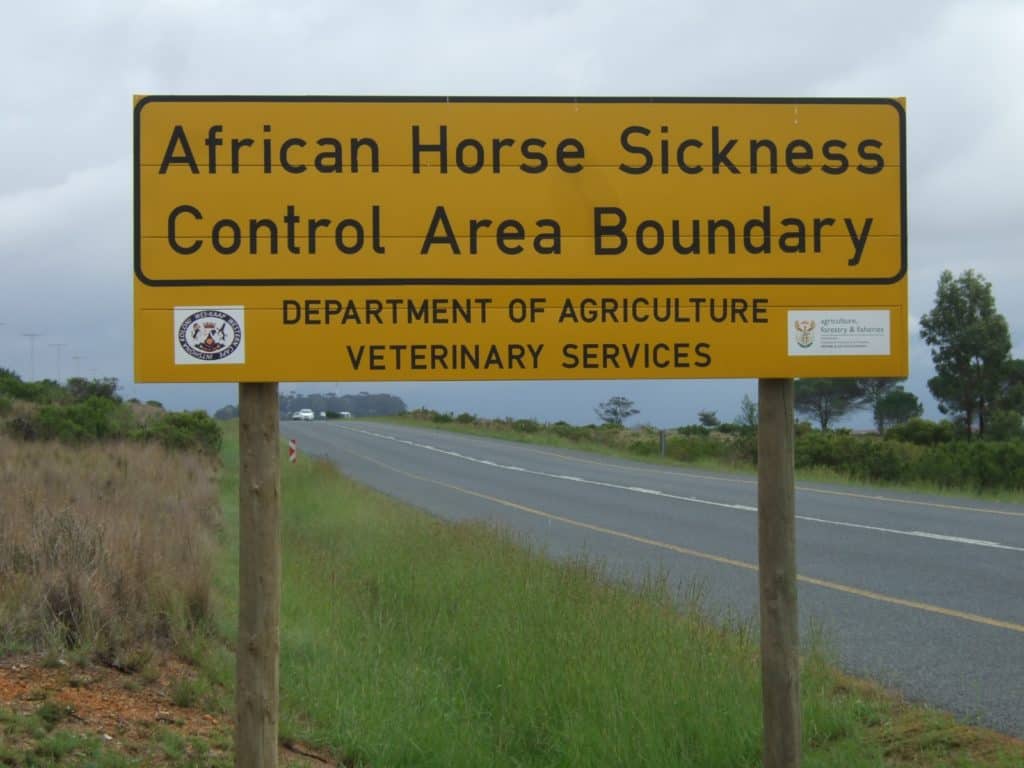
One vet recommends taking these preparation steps to help reduce the impact of an outbreak.


Testing for and identifying which horses could potentially be affected by genetic conditions is important not only for buyers and breeders but also for the overall health of the breed itself.

Researchers are studying the epidemiology of Neospora hughesi in horses with equine protozoal myeloencephalitis (EPM).

Find out the most common way horses contract equine protozoal myeloencephalitis, or EPM.

Researchers found the muzzles reduced horses’ grass consumption by 30% but did not impact the animals’ forage choice.
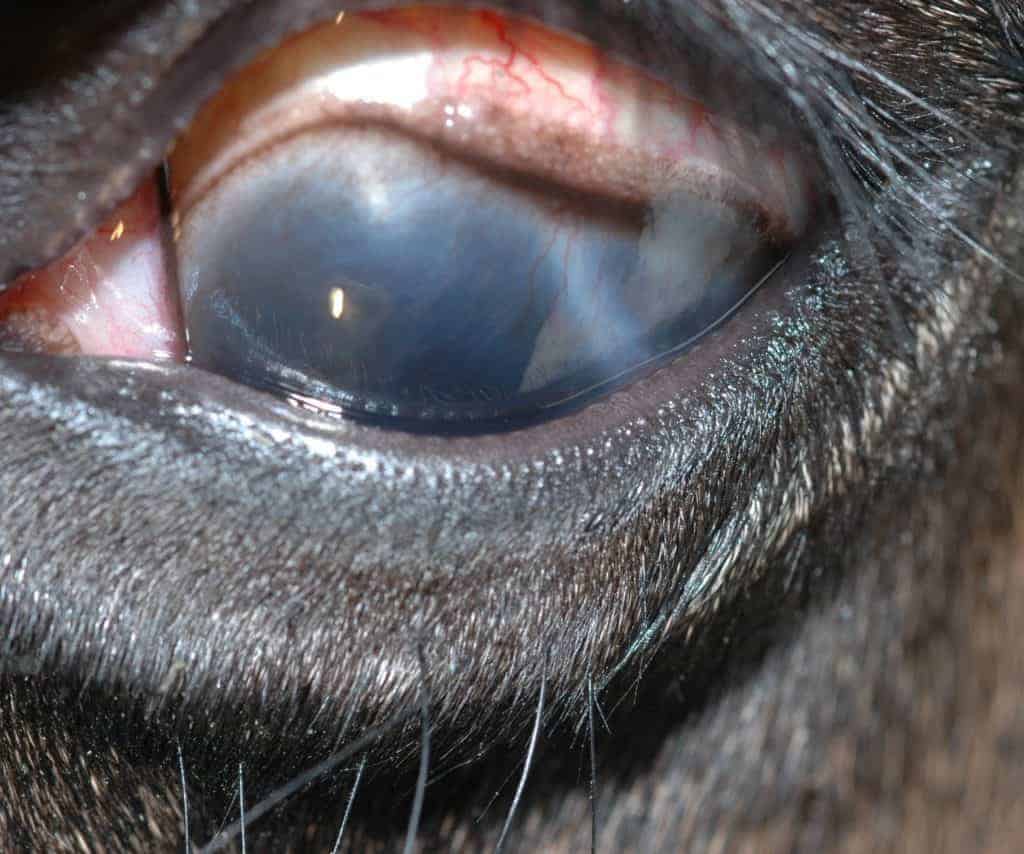
This syndrome describes a group of abnormalities in the horse’s cornea, iris, lens, and ciliary body.