Management Practices: Reducing the Risk of Colic
Certain management practices can help owners reduce the risk of their horses developing colic.

Certain management practices can help owners reduce the risk of their horses developing colic.

The unvaccinated 10-year-old mare from north Pasco was euthanized after becoming ill.

Veterinarians have recently diagnosed more than 10 horses residing in southern Alberta with pigeon fever.

Officials in Florida and New Hampshire reported that horses in both states have tested positive for EEE.
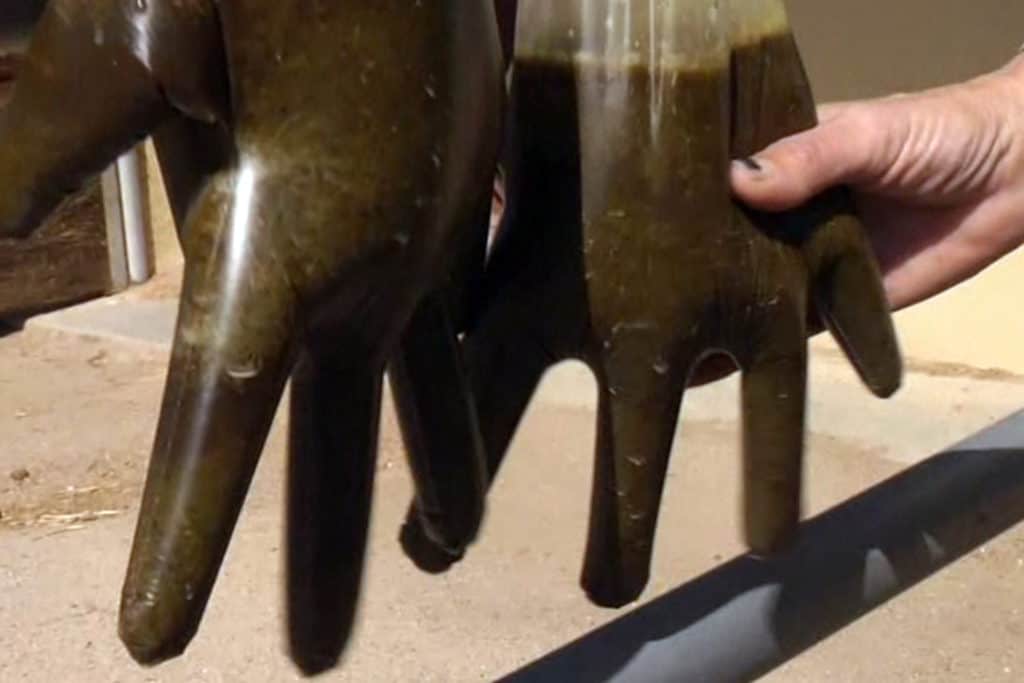
Too much sand in your horse’s intestines can cause diarrhea, blockages and colic. Dr. Sharon Spier shows you a how to measure the amount of sand your horse is excreting. (2:18)

Officials announced Oct. 4 that two additional horses have tested positive for West Nile virus (WNV).
Reported diseases include CEM, strangles, influenza, EVA, EHV, piroplasmosis, salmonellosis, and more.
Equine monocytic ehrlichiosi (EME) has case fatality rates ranging from 5 to 30%.

Officials confirmed Oregon’s third case, while a fifth Kentucky horse tested positive for WNV.

Of 400 participants, 79% said they’d never heard of the bacterium and only 5% had known a horse with it.

As of Sept. 25, 139 cases of EEE and 157 cases of WNV have been reported in horses nationwide.
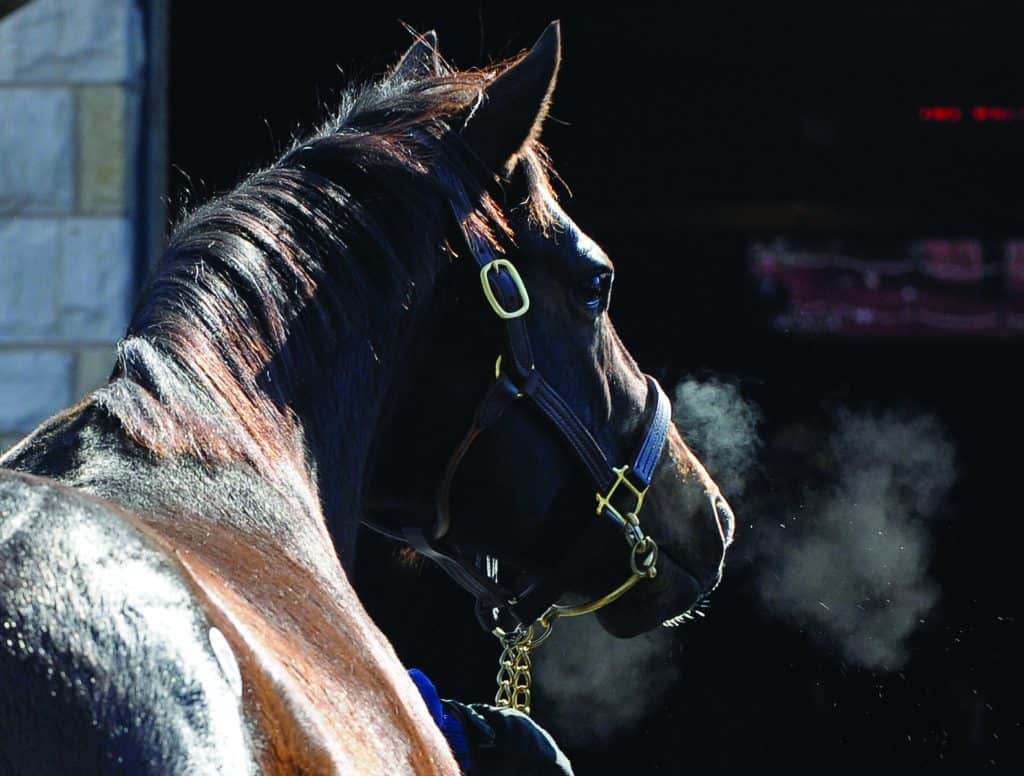
Dr. Gary Priest of Versailles, Ky., presents equine respiratory disease case studies identified via dynamic endoscopy.

Anesthesiologists have developed a simple and inexpensive device for equine ventilation in a field emergency.
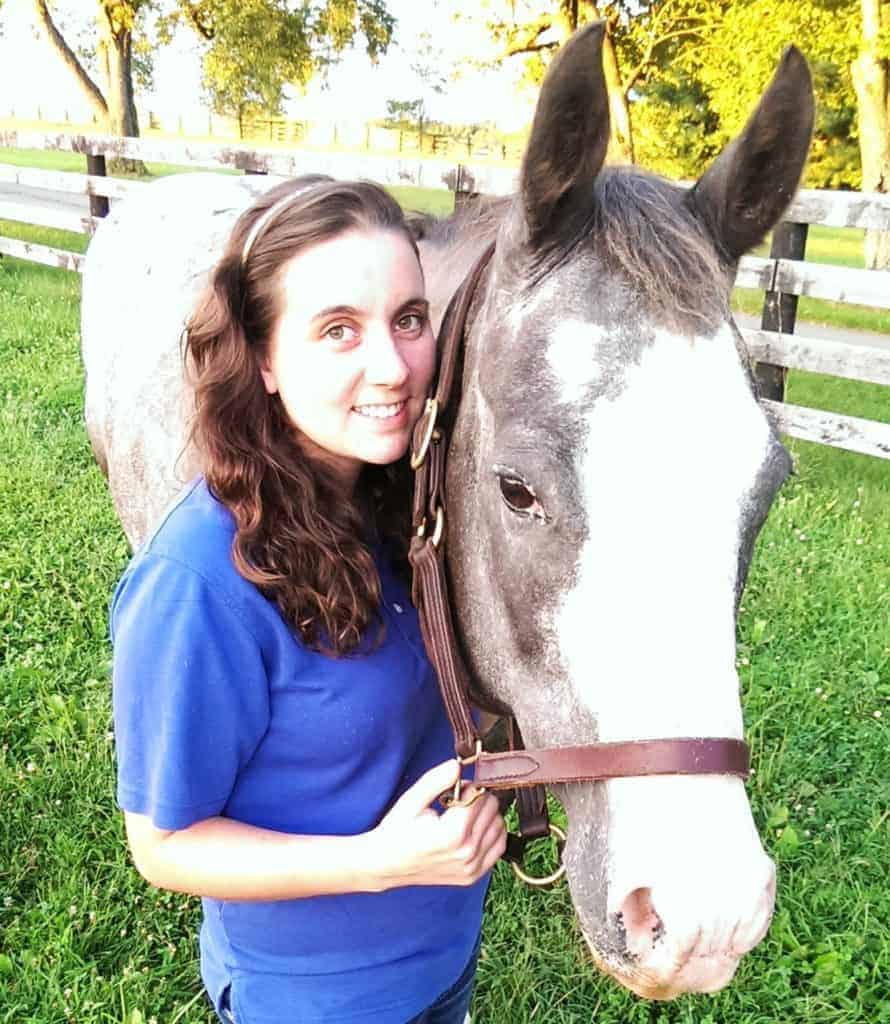
Harlow’s research has focused on exploring options for reducing gastrointestinal conditions in the horse.

This plant contains toxins that can cause digestive issues, appetite loss, and neurologic problems in horses.