The Eyes Have It
Researchers are scrutinizing the equine eye so they can treat ocular issues better.

Researchers are scrutinizing the equine eye so they can treat ocular issues better.

Before extracting a horse’s tooth, owners and veterinarians must consider a number of important factors.

One vet says to consider wobbler syndrome as a diagnosis for aged horses with neurologic signs and neck pain.

Researchers studied effects of dispersal on colonies of flying foxes, which transmit hendra virus to horses.
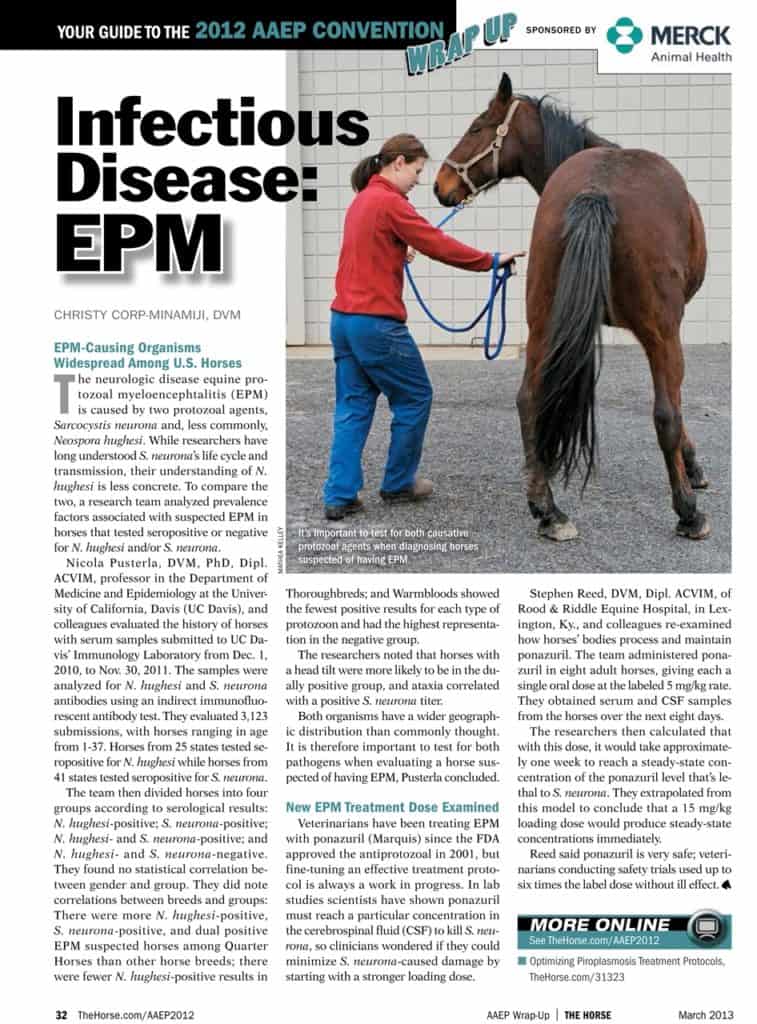
Learn about the organisms that cause equine protozoal myeloencephalitis (EPM) and treatment options for the disease.
Tooth extractions don’t always go as planned, so practitioners must be ready for potential complications.

Learn about tooth extraction complications and options veterinarians have for handling tooth extraction failures.

Seek a sarcoidosis diagnosis before starting treatments that might be useless or painful for your horse.
As the spring vaccination season approaches, consider have horses vaccinated against WNV and EEE.

One veterinarian reviewed the steps in triaging acute equine neurologic emergencies in the field.
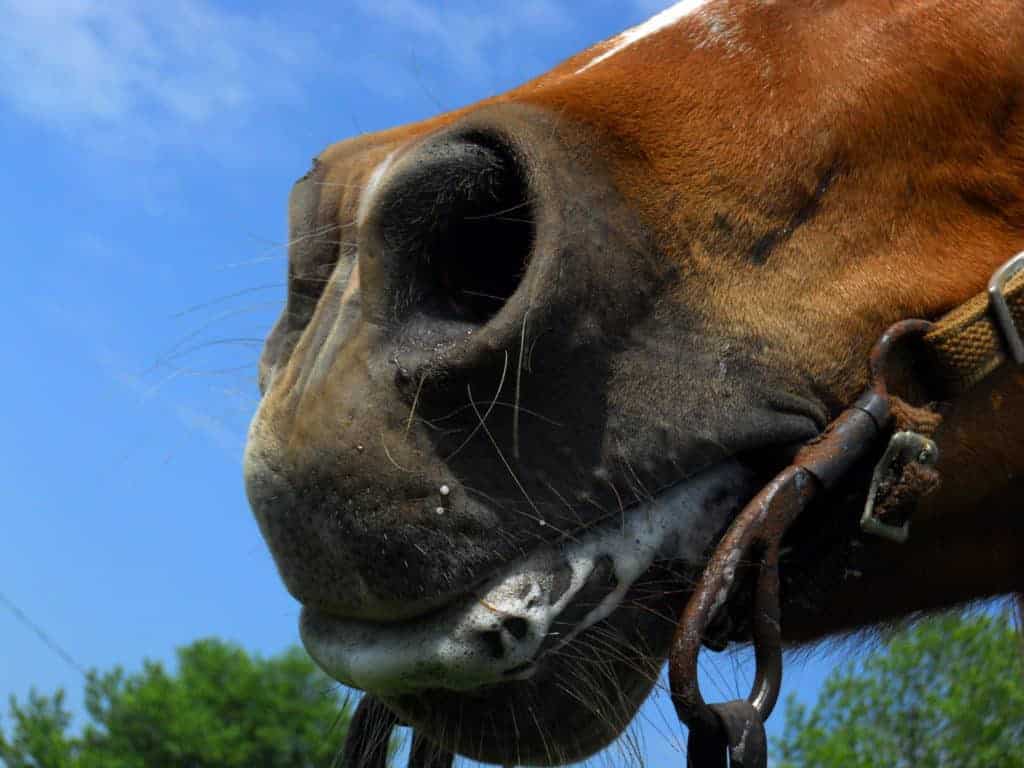
Research on RAO, or heaves, in horses could help in finding solutions for asthma in humans.
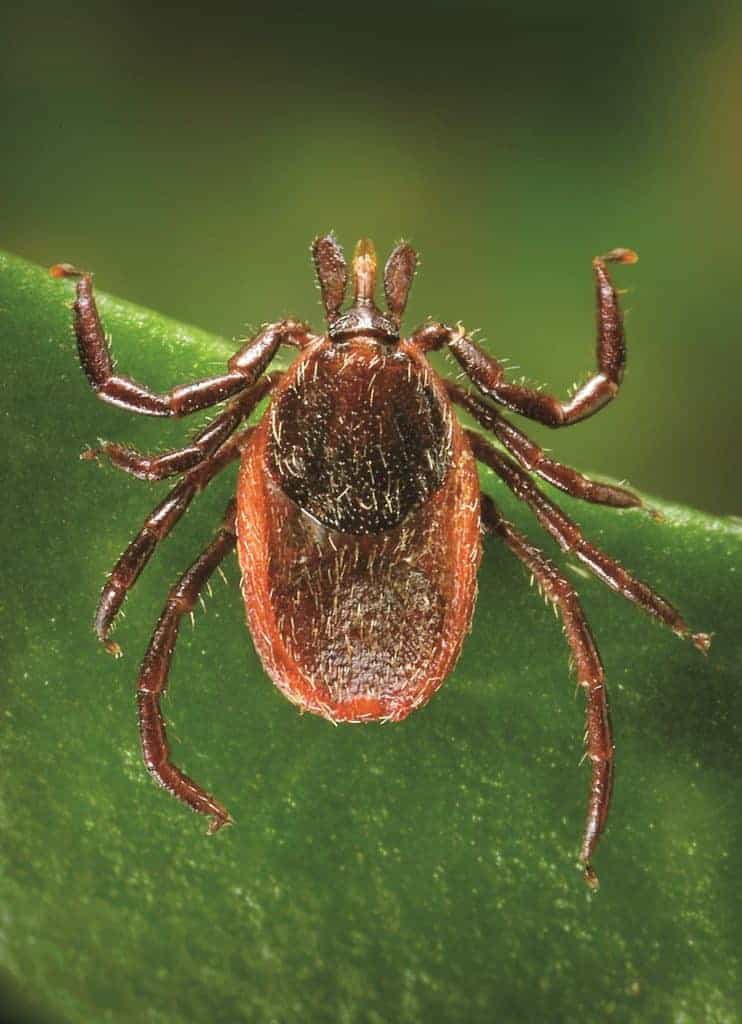
The new Lyme disease test can reportedly detect antibodies as early as two to four weeks following infection.

An oral sugar test might provide a more convenient means of screening horses for hyperinsulinemia.
The TAHC determined Kleberg County equids could be at high risk for exposure to equine piroplasmosis (EP).
Horses exposed to a lethal dose of hendra virus six months following vaccination did not develop disease.
The Grayson-Jockey Club Research Foundation approved funding of 12 new projects in 2013.