Federal Racing Medication Regulation Gets Push, With Caveats
Federal regulation of horse racing medications was the topic of a July 12 congressional hearing.

Federal regulation of horse racing medications was the topic of a July 12 congressional hearing.
The case has been closed unless new information emerges, according to one Texas law enforcement officer.
Michigan State University’s (MSU) College of Veterinary Medicine is offering expanded equine dental services.

A study confirms omeprazole can prevent gastric ulcer formation in young racehorses.
An Indiana horse diagnosed with Potomac horse fever in June has owners in that state on high alert.

Hyperbaric oxygen therapy results in high blood-oxygenation levels without inducing lung inflammation.
Study finds PHF survival is linked to serum chloride concentration and oxytetracycline treatment.
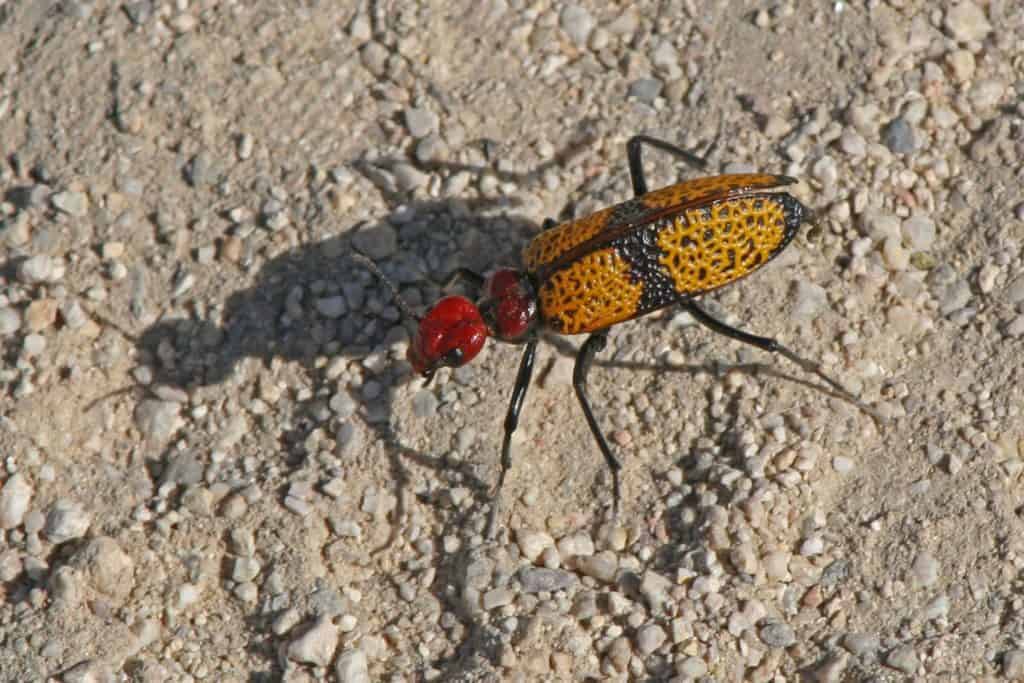
Reports indicate a higher than usual number of blister beetles, which are toxic to horses, in some areas.
CSU veterinarians say an inexpensive, widely available vaccine can help protect horses from rabies.

One veterinarian shares his views on equine melanoma and malignancy.

High environmental temperatures and drought conditions typically precede pigeon fever outbreaks.
An Australian law firm is preparing a class action lawsuit surrounding the 2007 equine influenza outbreak.
A Texas veterinarian is hoping to determine who engraved an obscenity onto a horse’s front teeth and why.
More than 60 suspected cases of pigeon fever in horses have occurred in Florida this year.
A horse in Palm Beach County, Fla., and a horse in Lanier County, Ga., have both tested EEE-positive.

Electrolytes can help increase equine performance when supplementing a balanced diet.