Equine Influenza Hits FEI Event at La Baule, France
Show officials removed two horses from the show grounds after the animals tested positive for influenza.

Show officials removed two horses from the show grounds after the animals tested positive for influenza.
Agricultural officials in Massachusetts advise horse owners to vaccinate against mosquito-borne diseases.

Moderate exercise increased insulin sensitivity in healthy horses, thus reducing insulin resistance risk.
No horses at the event have presented any signs of illness, but biosecurity measures have been implemented.

If not treated early, equine ocular keratitis (corneal inflammation) can lead to blindness and eye loss.
Submissions should be designed to help advance the diagnosis, treatment, and understanding of pigeon fever.
The KHRC will discuss a possible three-year phase-out of race-day furosemide in graded and listed stakes.

Understanding equine recurrent uveitis (ERU, or moon blindness) can help owners spot eye issues early.

Veterinarians will answer your questions on common equine skin conditions live on May 17 at 8:00 p.m. EDT.
Researchers found several links between equine influenza transmission and weather patterns.

Research finds withholding a horse’s feed reduced heart rate and increased atrioventricular block frequency.

Two horses in Otero County, N.M., tested positive for the reportable disease vesicular stomatitis on April 30.
Salix is a medication used to prevent exercise-induced pulmonary hemorrhaging, also known as bleeding.
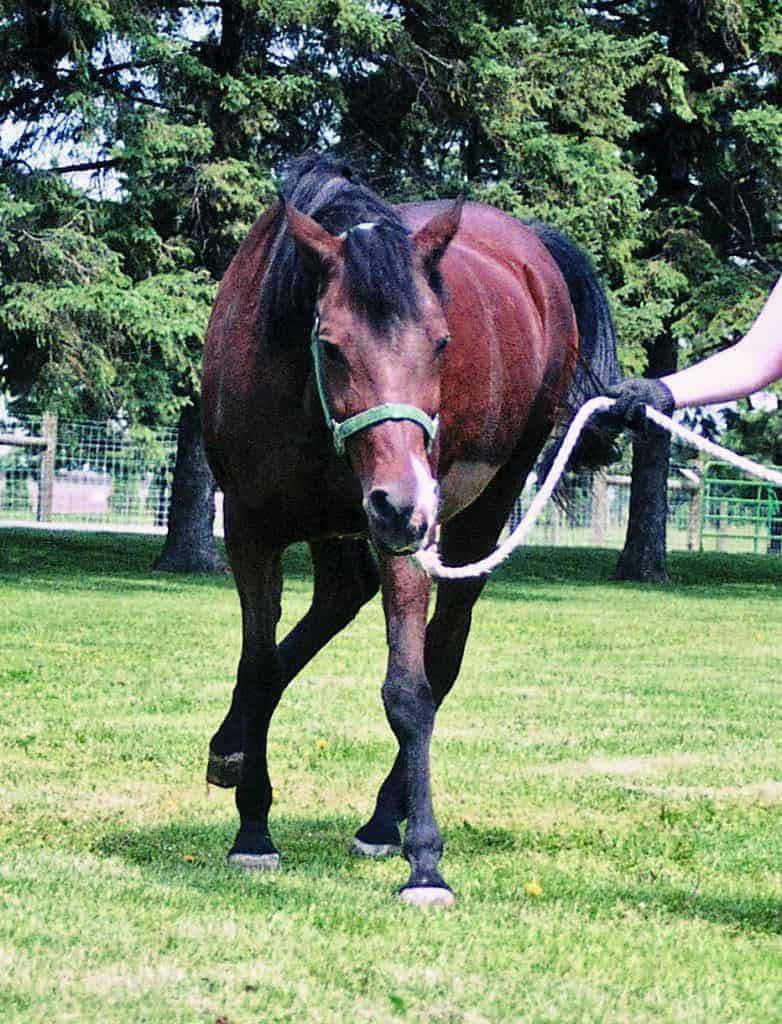
Equine protozoal myeloencephalitis (EPM) continues to pose diagnostic and treatment challenges.
Horses are at risk for season-related skin problems stemming from insects, allergies, and bacteria.
The witnesses all told Congress they don’t believe race-day medication has a place in Thoroughbred racing.