In-Depth: Equine Piroplasmosis (AAEP 2010)
What horse owners need to know about piroplasmosis in horses, from Dr. Josie Traub-Dargatz of Colorado State University. (Presented at the 2010 American Association of Equine Practitioners convention)

What horse owners need to know about piroplasmosis in horses, from Dr. Josie Traub-Dargatz of Colorado State University. (Presented at the 2010 American Association of Equine Practitioners convention)

Geneticists have created tools and tests that help horse breeders select for healthy foals. Furthermore, access to the equine genome means scientists can examine common diseases and conditions and find ways to prevent (and one day treat) them.
The University of Kentucky Veterinary Diagnostic Laboratory (VDL), formerly the Livestock Disease Diagnostic Center, recently announced a change in the type of samples required to perform a test for Neorickettsia risticii, the causative organism for Potomac horse fever.
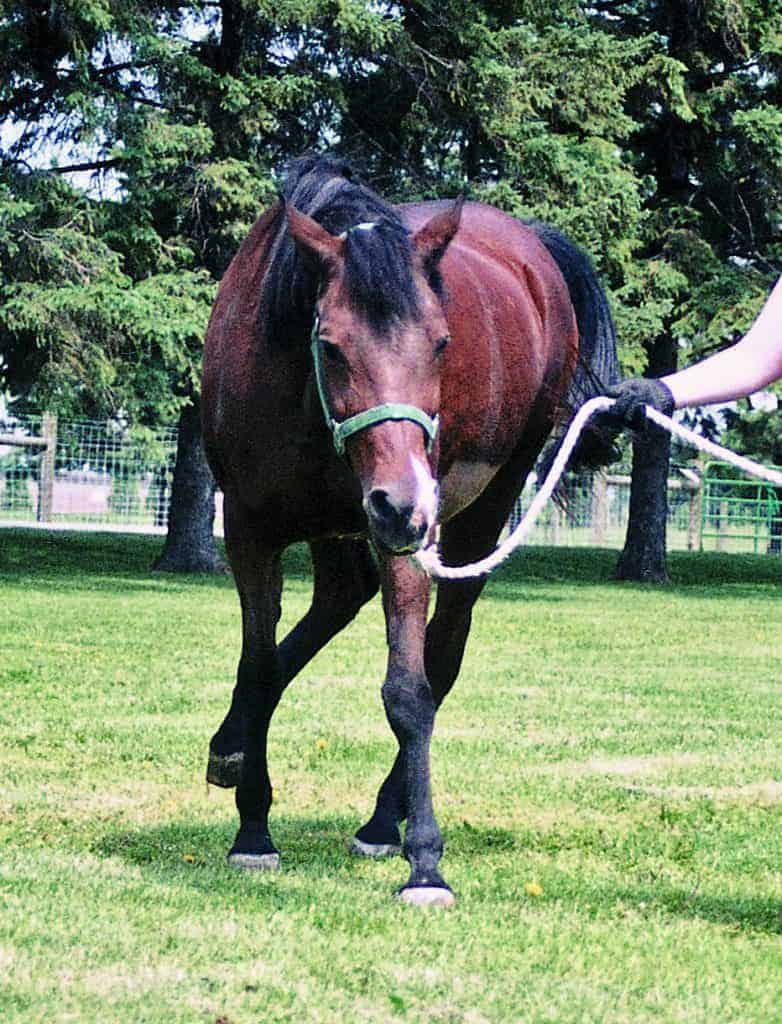
What are the more common ways that a horse would contract rabies? What are the symptoms that one would look for?

Rabies is a life-threatening neurological disease that can be spread from horses to humans, generally killing affected horses two to four days after clinical signs appear. Learn how to protect your horse and yourself.
Equine heart disease is multifaceted and can be induced by multiple mechanisms. Although horses do not routinely suffer from traditional “heart attacks,” they can develop heart abnormalities that can negatively impact their health and longevity.
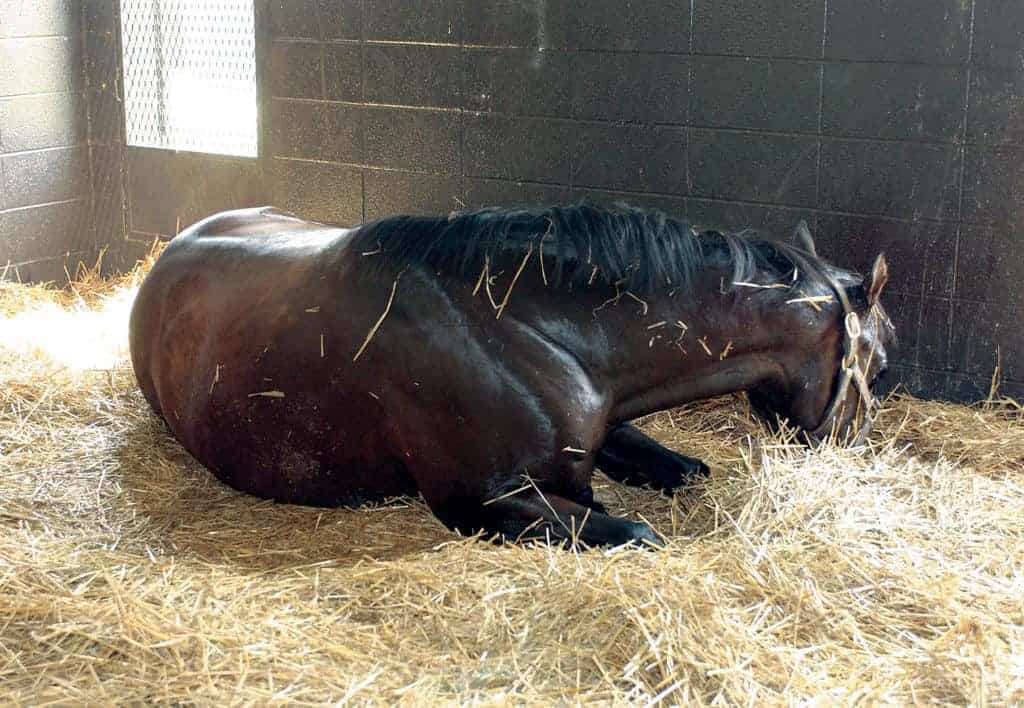
All about equine colic, from when to call the vet to how well horses recover from surgery.
Scientists have established the link between cribbing (also called windsucking) and colic, but a “causal” relationship between the two remains to be proven, say researchers from the University of California, Davis.
With budgets tight, a number of horse farm managers have reduced costs by using a hay harvest of overmature grass pastures for bedding. On the surface it makes sense to bed stalls with this stemmy hay. But be cautious when using it for pregnant mares in their last trimesters.

High ammonia levels in barns can be detrimental to horses’ respiratory health. Know how to keep them low.

Alsike and red clover can be associated with less common conditions in horses such as photosensitivity and liver disease.
A horse in Taylor County, just east of Louisville, Ky., has been diagnosed and treated for West Nile virus (WNV), according to officials at the Kentucky State Veterinarian’s Office.

Four veterinarians discuss equine protozoal myeloencephalitis (EPM) diagnosis, what conditions it can appear to be, and effective treatment.

Lawsonia intracellularis bacteria can cause intestinal disease in horses, pigs, and other species worldwide. The syndrome in horses is often called equine proliferative enteropathy, or EPE.
The crooked little bacterium that causes Lyme disease is causing quite a stir in the equine community.
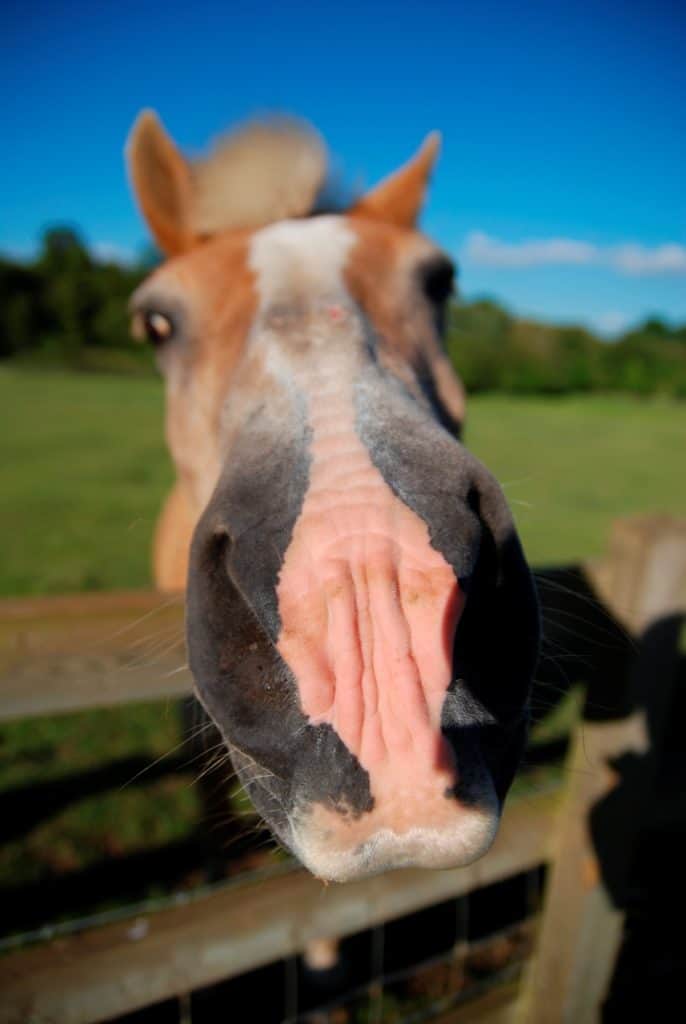
Like humans, horses are susceptible to sunburn, especially on the non-pigmented pink-skinned areas of the body. Sunburn is most frequently seen around the eyes and on the muzzle of pale or white-faced horses.