Listen Up: Horses Demonstrate Auditory Laterality
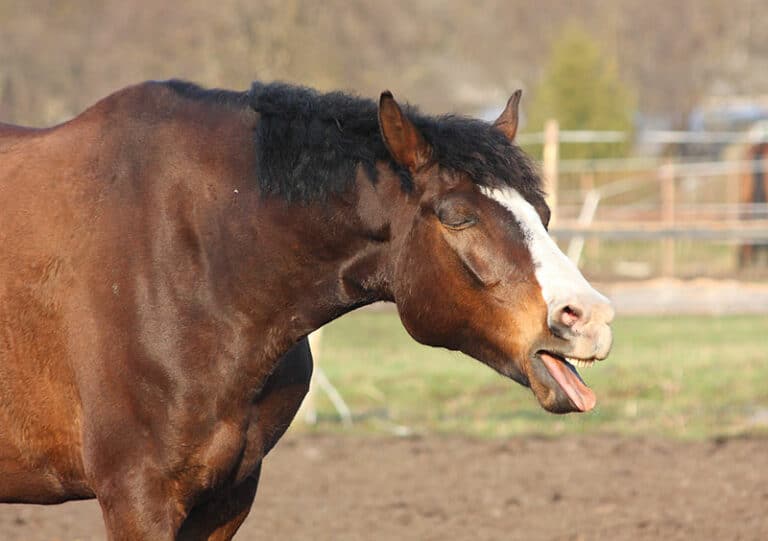
A neighborly neigh is processed in a different way than other whinnies, meaning that horses have brain side preferences for sounds, according to a new study by French researchers.

A neighborly neigh is processed in a different way than other whinnies, meaning that horses have brain side preferences for sounds, according to a new study by French researchers.
According to a recent report issued by the Kentucky State Veterinarian’s office, the number of reported cases of rabies rose from 45 in 2008 to 46 in 2009. However, the number of cases has doubled in the last five years.
In the past, Eastern Washington horse owners had to go to Spokane for advanced eye care, or over to Western Washington near Seattle. Now horses with difficult eye problems can come to WSU’s Veterinary Teaching Hospital in Pullman for treatment.
When Sophy Jesty was 20 years old and an animal science major at Cornell, she met N. Sydney Moise, DVM, MS, Dipl ACVIM (internal medicine, cardiology), now professor of medicine and chief of the section of cardiology at Cornell’s College of Veterinary Medicine.
A fatal gastrointestinal disease once limited to Scotland is being seen more frequently in certain parts of the world due to geographical progression, said British researchers.
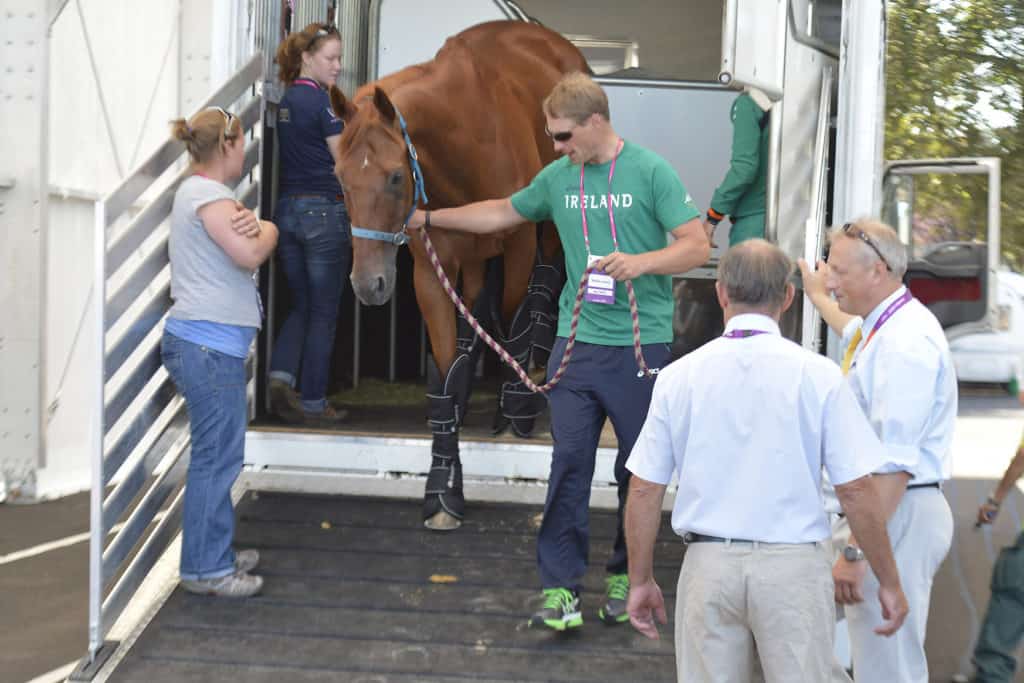
The risk of global dissemination of equine diseases has increased with the growth in international trade and competition. Specific diseases have been introduced or re-introduced into countries through the importation of equids/semen. Such incursions can have a very significant economic impact on the industries involved.
Hunting down the cause of hives is often a challenge.
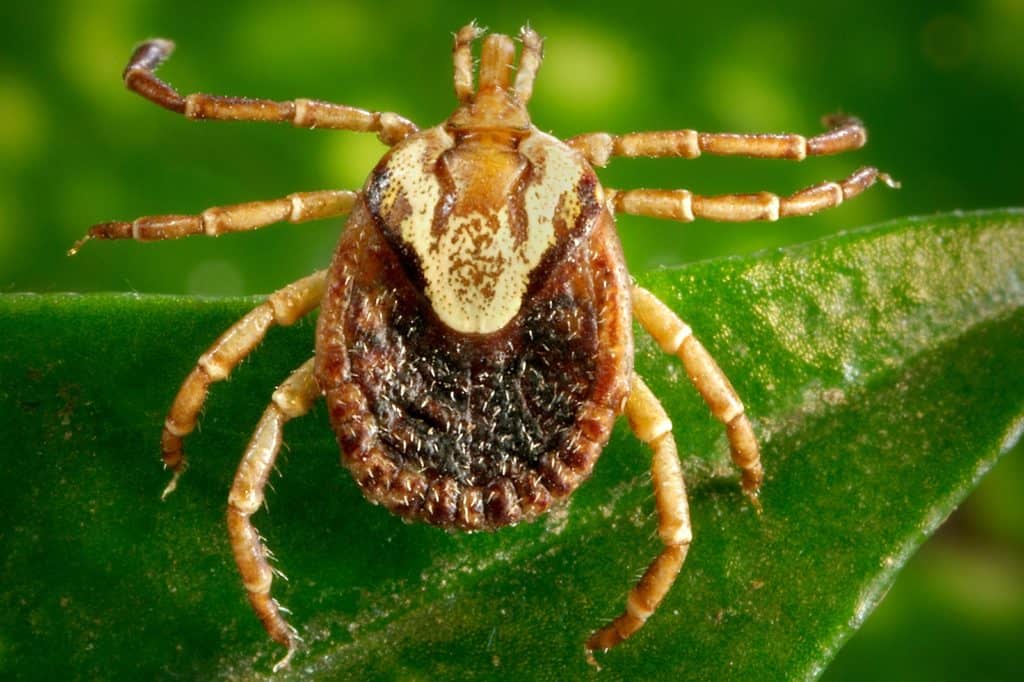
Jennifer Janes, DVM, a graduate student in the Department of Veterinary Science at the University of Kentucky, was selected as the 2009 recipient of the American Association of Equine Practitioners (AAEP) Foundation Past Presidents’ Research Fellow award, which will support her project on orthopedic pathology and genetic association of wobbler syndrome (cervical stenotic myelopathy).

Equine obesity increases a horse’s risk for equine metabolic syndrome, laminitis, and insulin resistance. Owners can bring horses back to healthy body condition by replacing grain rations with a fiber-rich, low-carbohydrate diet, while increasing exercise to include daily workouts.

Wobbler syndrome takes its name from its primary sign–a wobbling or uncoordinated gait. In technical terms, the horse has a “proprioceptiveness deficit,” or a lack of physical awareness of his limbs and their placement.
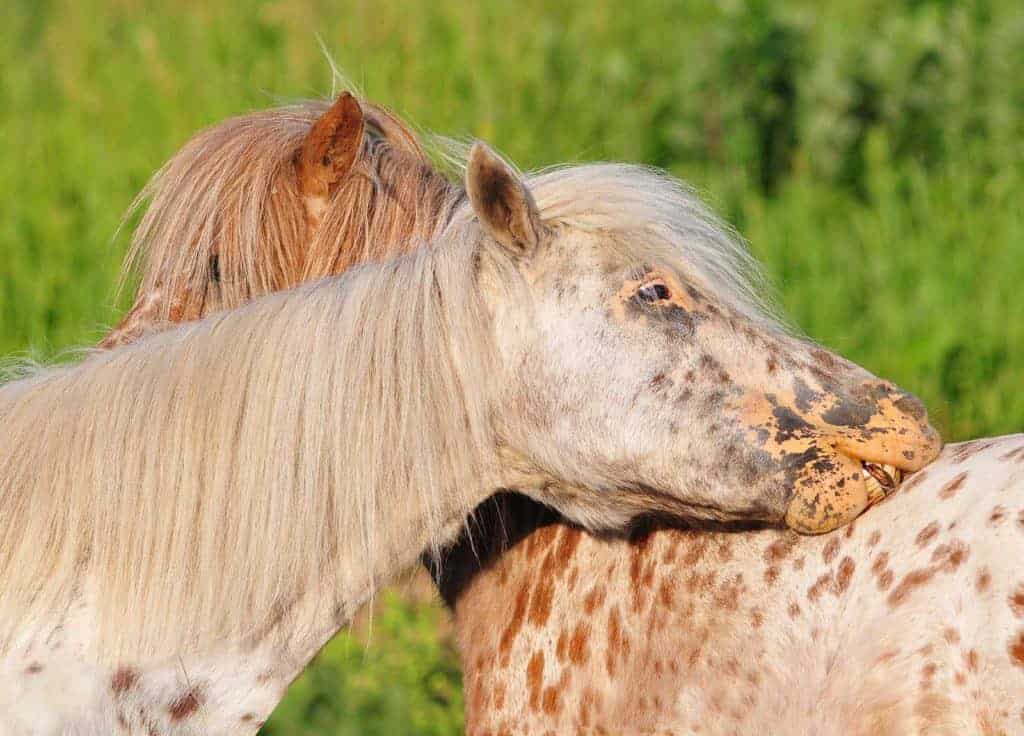
My neighbor has a major problem with sunburn on her Appaloosa mare. She is a black mare with spots on her rump that sunburns easily. We have not been able to find anything that has helped it. What do you recommend to help it heal?
Many kinds of sexually transmitted diseases can affect horses; protect your stallions and mares from the most common offenders.
The University of Kentucky’s Livestock Disease Diagnostic Center made a long-awaited switch to a new online file-keeping system known as Laboratory Information Management System (LIMS) in early August.
David McNear, PhD, assistant professor of rhizosphere science in the University of Kentucky’s (UK) Plant and Soil Sciences Department, was recently awarded the Presidential Early Career Award for Scientists and Engineers (PECASE) for his research on endophyte-infected tall fescue and how it impacts soil microbial communities, chemical properties, and nutrient cycling.
Through a new program for veterinarians interested in a PhD called the Pfizer Animal Health-Morris Animal Foundation (MAF) Veterinary Fellowship for Advanced Study, Allen Page, DVM, will receive a substantial four-year stipend to complete his PhD at the University of Kentucky’s Gluck Equine Research Center.
The recipients of the fellowships are practicing veterinarians returning for a PhD.