Managing Pastures to Avoid Tall Fescue Toxicity
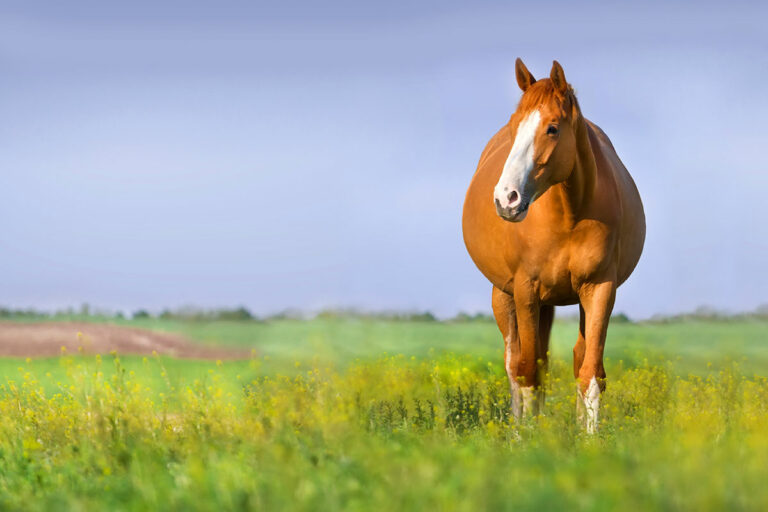
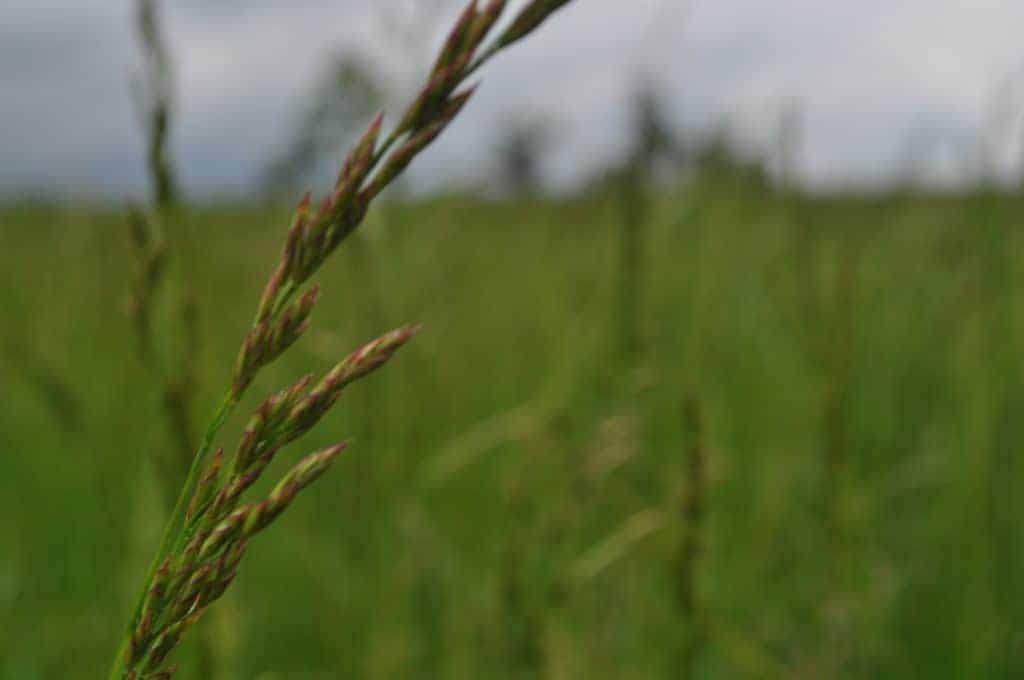
Broodmare farm operators in the southeastern United States are interested in managing tall fescue toxicity because of the pregnancy complications it can cause.

Broodmare farm operators in the southeastern United States are interested in managing tall fescue toxicity because of the pregnancy complications it can cause.
A 300-horse study sought to find the vaccination protocol that best prevents flu in horses–intranasal (IN) or intramuscular (IM), given as a single dose or two doses given 30 days apart (boosted). Researchers also looked at boosting an initial
The U.S. Food and Drug Administration has approved Excede sterile suspension, a new long-acting antibiotic formulation for horses from Pfizer Animal Health, the company announced in a release.
Excede Sterile Suspension is used to tre
Almost all horses with colic can be saved if the problem is recognized quickly and treatment is instituted rapidly, said Anthony Blikslager, DVM, PhD, Dipl. ACVS, of North Carolina State University, during the “In-Depth: Colic” portio
Researchers have shown that significant amounts of mucus in a racehorse’s airway can negatively affect his performance, and they’ve theorized that dust in the horse’s environment contributes to that mucus. Therefore, the logical nex
Equine influenza (the “flu”) used to be considered a mere annoyance by many, but major outbreaks such as H1N1/swine flu in humans and the Australian equine influenza outbreak of 2007 have changed our thinking. These days, when a flu o
Colic is a general term indicating abdominal pain. The anatomy of the horse’s digestive tract, how the tract works, and the management practices imposed by man seem to contribute to colic’s occurrence.
The Livestock Disease Diagnostic Center (LDDC) at the University of Kentucky now offers a molecular diagnostic assay to detect the H3N8 equine influenza virus (also known as type 2 equine influenza virus) in clinical specimens. Currently only the H3N8 subtype is associated with equine influenza virus outbreaks around the world.

Dr. Ann Rashmir of Michigan State University talks about HERDA. (5:33)

Dr. Anthony Blikslager of the North Carolina State University talks about colic in horses. (7:39)
Dr. Amy Johnson of the University of Pennsylvania New Bolton talks about the challenges of diagnosing EPM. (2:59)
A neighborly neigh is processed in a different way than other whinnies, meaning that horses have brain side preferences for sounds, according to a new study by French researchers.
According to a recent report issued by the Kentucky State Veterinarian’s office, the number of reported cases of rabies rose from 45 in 2008 to 46 in 2009. However, the number of cases has doubled in the last five years.
In the past, Eastern Washington horse owners had to go to Spokane for advanced eye care, or over to Western Washington near Seattle. Now horses with difficult eye problems can come to WSU’s Veterinary Teaching Hospital in Pullman for treatment.
When Sophy Jesty was 20 years old and an animal science major at Cornell, she met N. Sydney Moise, DVM, MS, Dipl ACVIM (internal medicine, cardiology), now professor of medicine and chief of the section of cardiology at Cornell’s College of Veterinary Medicine.
A fatal gastrointestinal disease once limited to Scotland is being seen more frequently in certain parts of the world due to geographical progression, said British researchers.