Circulatory and Respiratory Systems: Of Blood and Breath
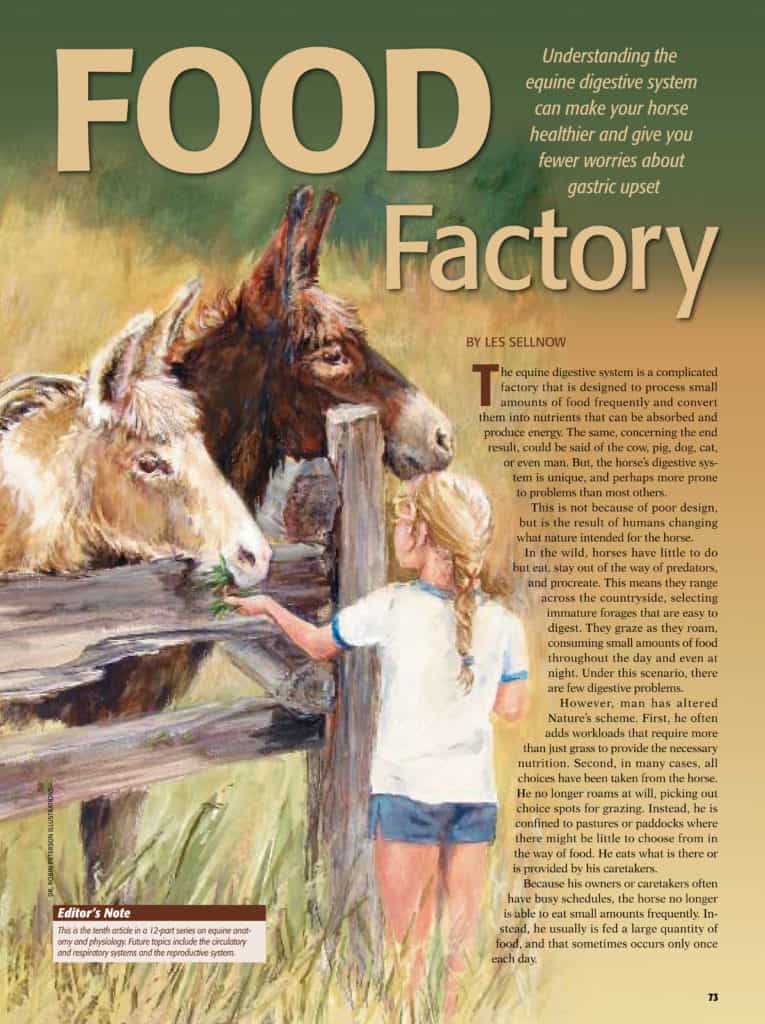
The horse’s circulatory and respiratory systems constitute its engine. Here, we’ll take a close a look at these two systems and the manner in which they function.
Horse-health-problem risk factors, prevention, diagnosis, and treatment

The horse’s circulatory and respiratory systems constitute its engine. Here, we’ll take a close a look at these two systems and the manner in which they function.

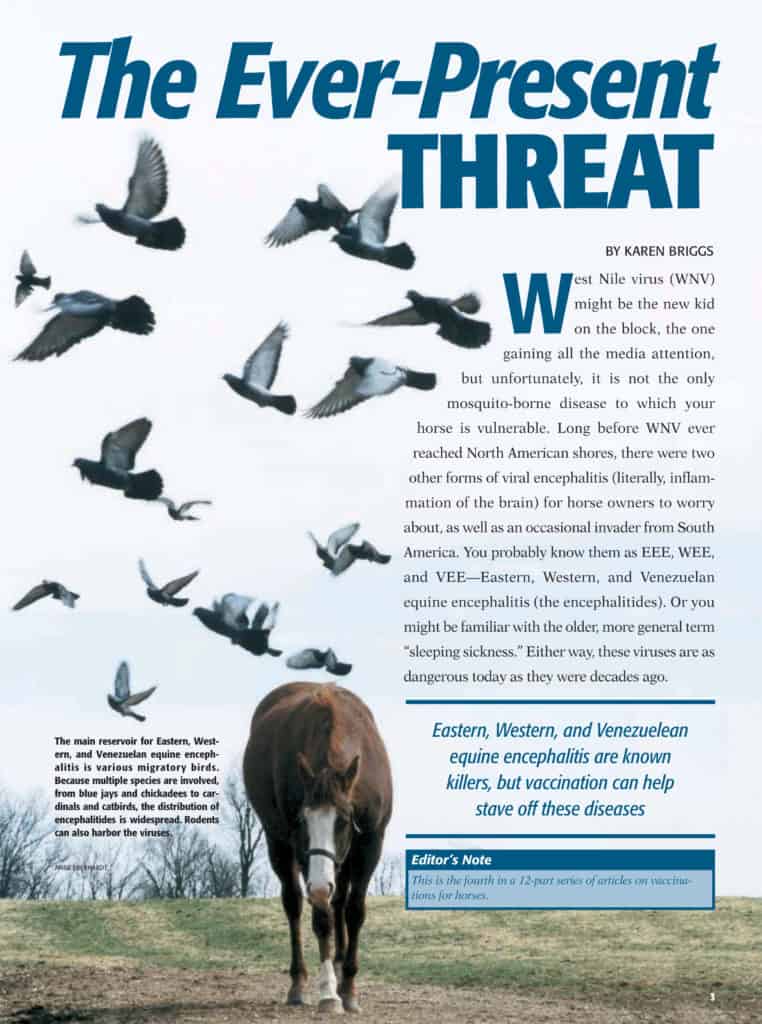
Before WNV reached North American shores, there were two other forms of viral encephalitis for horse owners to worry about. Eastern, Western and Venezuelan equine encephalitis are killers, but vaccination can help stave off these neurologic diseases.

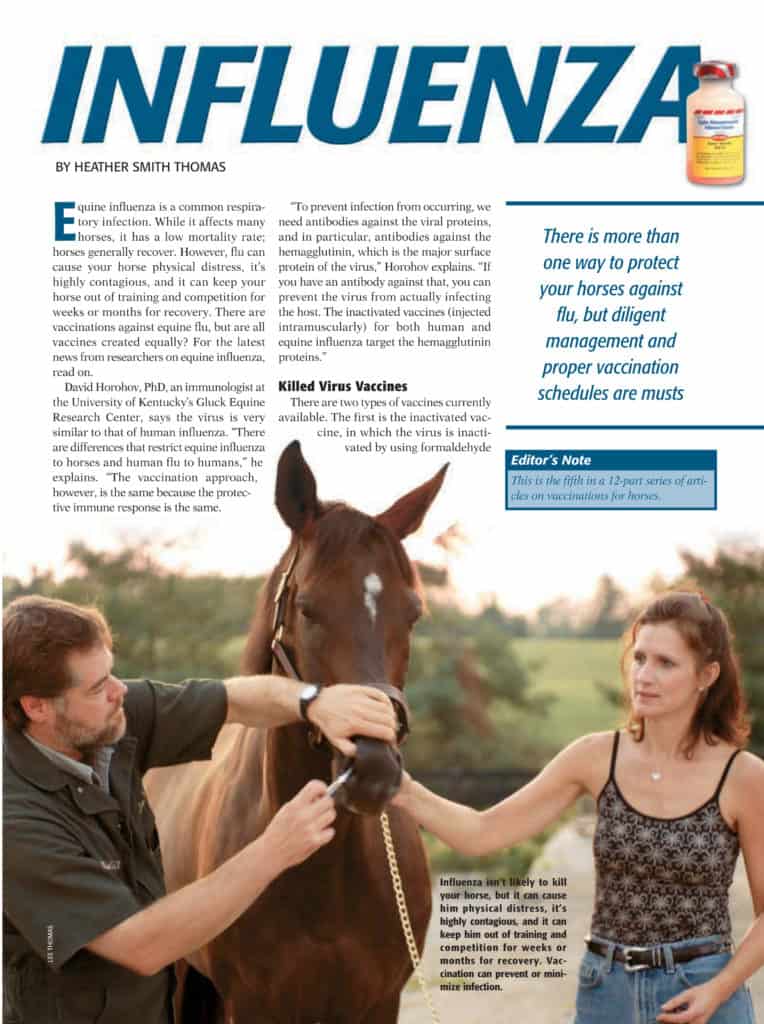
Equine influenza is a common respiratory infection. There are vaccinations against equine flu, but are all vaccines created equally? For the latest news from researchers on equine influenza, read on.

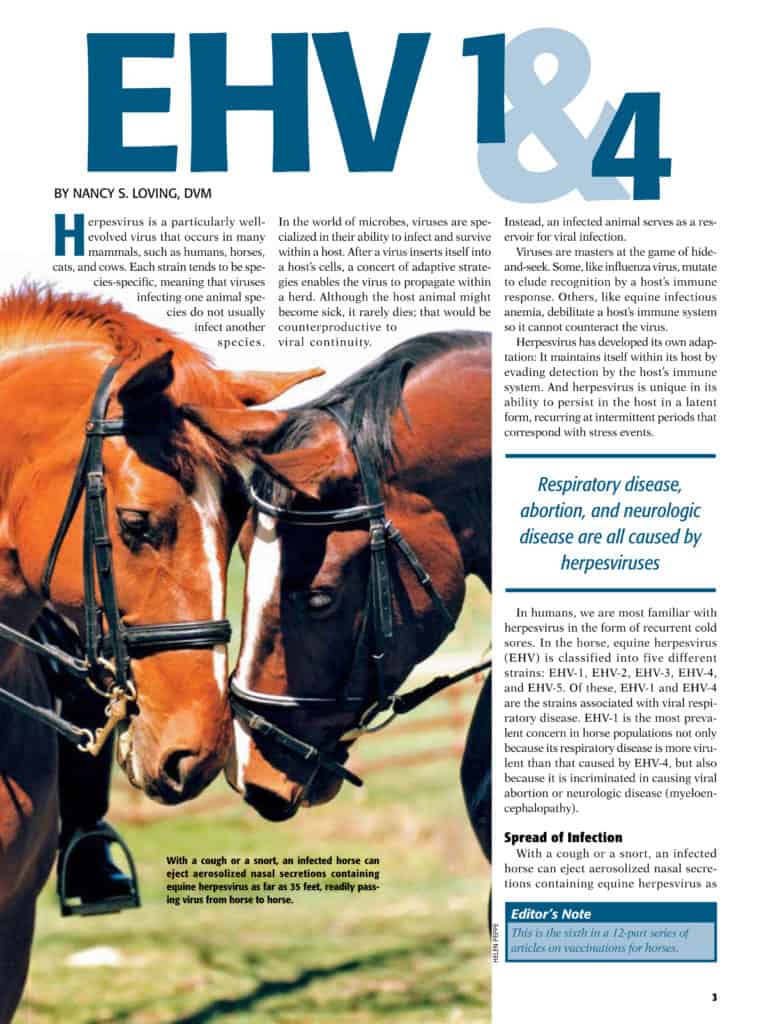
Respiratory disease, abortion, and neurologic disease in horses can all be caused by equine herpesviruses. EHV-1 and EHV-4 are the strains associated with viral respiratory disease, and EHV-1 can also cause neurologic disease…

Strangles is a highly contagious disease that affects lymph nodes and potentially other organs in the horse. Researchers are working on effective vaccines, but management strategies are even more important in limiting its presence among horses.
Leaders of an inquiry into Australia’s billion-dollar equine influenza outbreak finished taking evidence Thursday after five months and testimony from 200 witnesses.
Former High Court judge Ian Callinan, who will issue his report by April 25,
Sand colic due to an accumulation of sand in the intestines accounts for up to 30% of all colics, often causing weight loss and chronic diarrhea. Psyllium has often been recommended as a laxative for clearing sand out of the intestines, although
If your horse has ulcers, giving him omeprazole isn’t the only thing you can do to help reduce the severity of the problem. Noah Cohen, VMD, PhD, MPH, Dipl. ACVIM, discussed a study that found alfalfa hay reduced the severity of ulcers in young,
Charlie (not his real name) had been a patient at our clinic on several occasions. He was always gentle and cooperative as we tried to determine what was causing his curious collection of clinical signs. He had tolerated everything from the obvious
The amount and type of Rhodococcus equi in a farm’s soil is not an indicator of an increased likelihood of having foal pneumonia cases caused by this bug, reported researchers from Texas A&M University.
What have we learned about equine protozoal myeloencephalitis (EPM) since it first was reported in 1995? A lot, and not enough. EPM has been called the “most overdiagnosed neurologic disease in the United States” by some researchers and
To understand the best approach to treating equine protozoal myeloencephalitis (EPM), it is helpful to have a brief look at how the protozoa (single-celled parasites) that cause EPM–Sarcocystis neurona–enter the central nervous system.
The best way to keep your horses healthy is prevent them from getting sick. Sounds absurdly simple, right? In theory, this works. But in the real world of trying to protect horse
The amount and type of Rhodococcus equi in a farm’s soil is not an indicator of an increased likelihood of having foal pneumonia cases caused by this bug, reported researchers from Texas A&M University. Additionally,
Could EPM be causing your horse’s performance to be just a little off? Equine protozoal myeloencephalitis (EPM) continues to be an elusive disease to prevent, diagnose, and treat in horses. In this special collection of three articles
Working with visually impaired horses has been mostly with those that lost vision as an adult, after they had been trained. And, in general, the horses I have worked with directly have impressed me with how adaptable they have been with losing vision
Stay on top of the most recent Horse Health news with
"*" indicates required fields