Equine Innovators: Rotavirus on the Move in Foals
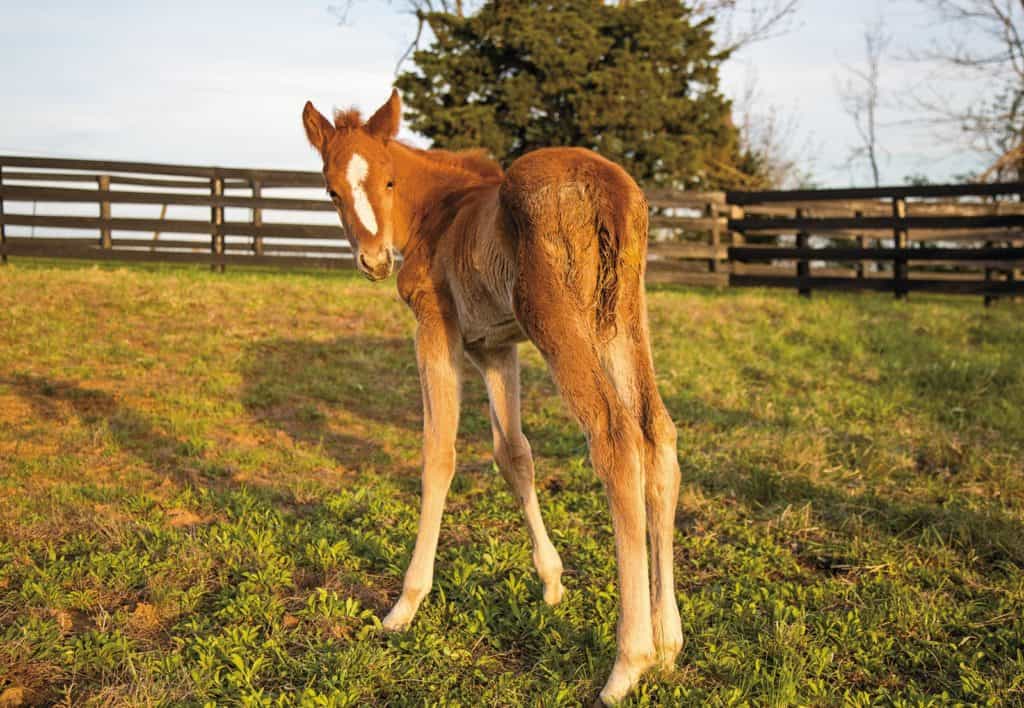
In this episode Dr. Emma Adam of the University of Kentucky describes the research that identified a novel strain of rotavirus in foal diarrhea cases this year.

In this episode Dr. Emma Adam of the University of Kentucky describes the research that identified a novel strain of rotavirus in foal diarrhea cases this year.
The affected horse was diagnosed after presenting with fever and signs of colic.

This technology has helped veterinarians diagnose upper airway dysfunction during exercise.

Both affected equids reside at an Oregon rescue facility where 29 more equids were exposed.

Two of the four affected horses have been euthanized.

Four more horses at the facility are suspected positive.

The positive horses did not exhibit any clinical signs of disease.

The equine respiratory tract is so highly specialized for exercise that even the slightest deviation from normal can limit a horse’s athletic career.

CFIA has quarantined the affected horse and all potentially exposed animals.

The Standardbred horses resided at an Edmonton racetrack.

The affected horse was unvaccinated for WNV and was euthanized.

The horse resided at a Cuyahoga County training facility when it was tested.

An Italian researcher outlines the stresses high-performance horses face during transport and what horse owners and managers can do to help.

The affected horse and any potentially exposed horses have been quarantined.

The horse’s facility is under voluntary quarantine following the positive test.

An official quarantine will remain in effect until response protocols are complete.