Equine Influenza Beyond Equids
Transmission of influenza viruses from one species to another can and does happen. Here’s what to know.

Transmission of influenza viruses from one species to another can and does happen. Here’s what to know.

Vets are using serum amyloid A, a naturally produced protein, to detect equine infections and monitor treatment.
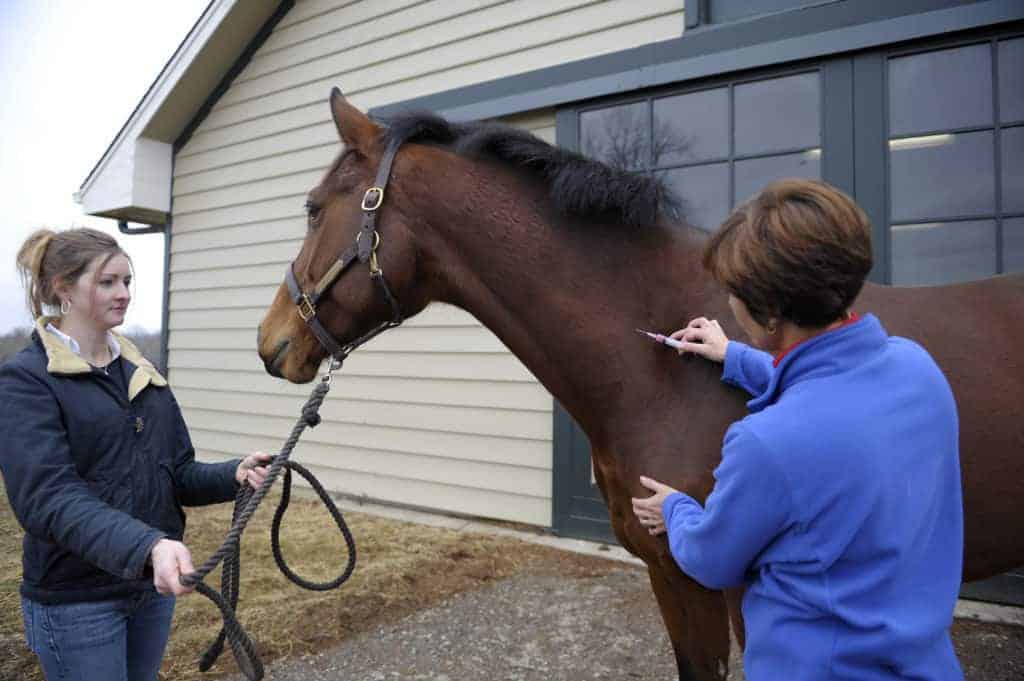
Administer booster vaccinations and target deworming treatments to help protect your horse’s health.

Australian veterinarians identified equine influenza in August 2007. The disease was eradicated in six months.

From 1995 to 2014, the OIE received reports of 54 disease events associated with international horse movement.
Confirmed diseases include influenza, EHV, strangles, nocardioform placentitis, piroplasmosis, EIA, and more.
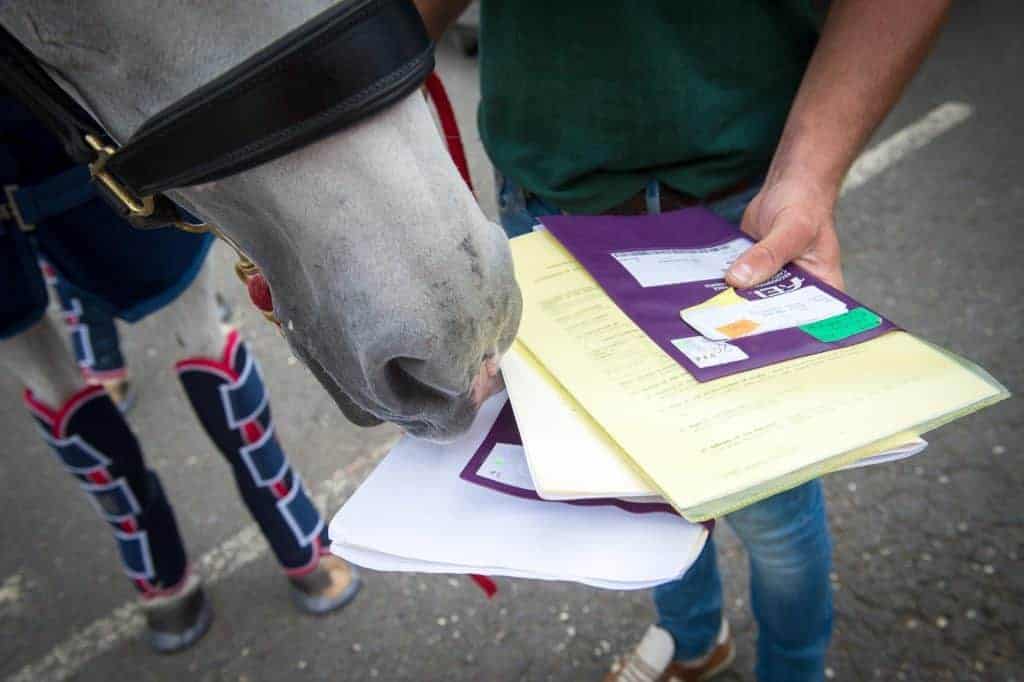
The OIE has described management “pillars” to keep most diseases at bay for high-health, high-performance horses.

Horses with noninfectious respiratory disease had much lower SAA concentrations than horses with infectious disease.

Dr. David Horohov, UK Gluck Equine Research Center director, gives a overview of vaccines and explains their importance.

Researchers discuss equine rotavirus infection in foals, bacterial upper airway infections, and more.
Lecture topics will include performance-limiting upper airway issues, infectious respiratory diseases, EIPH, and more.
Confirmed diseases include equine herpesvirus, West Nile virus, African horse sickness, strangles, influenza, and more.

Controlling disease spread can be challenging. A veterinarian offers tips on how to react if your farm becomes infected.
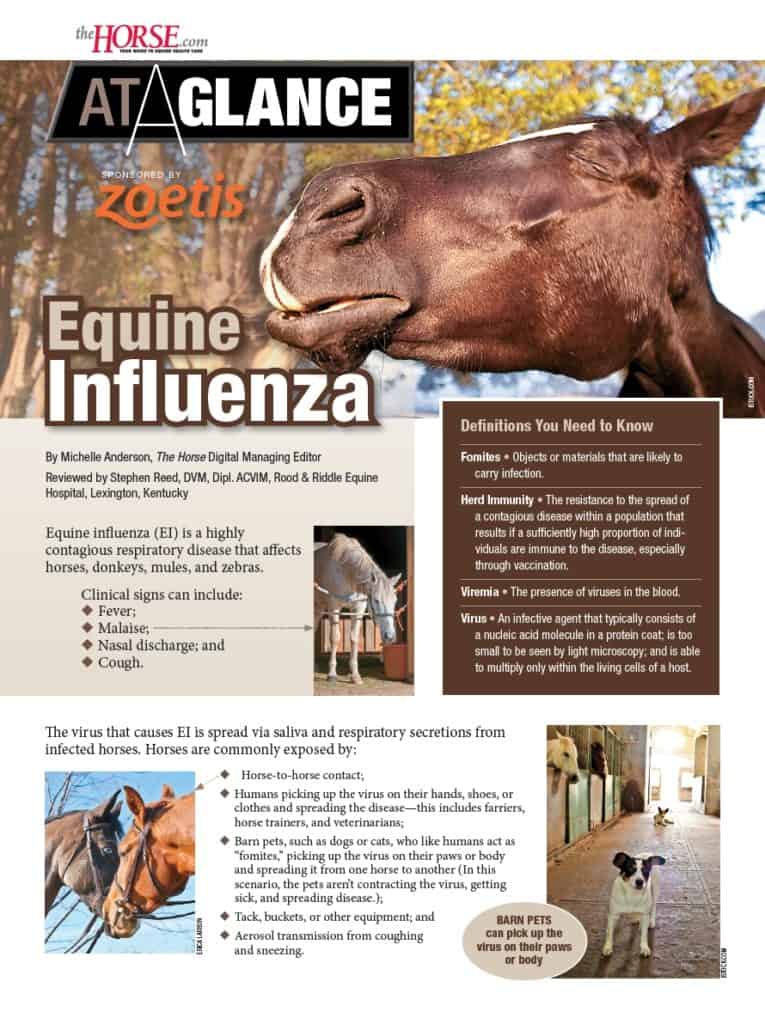
Equine influenza is a highly contagious respiratory disease. Learn how to protect your horse!
The horse, stabled off Winter Equestrian Festival grounds, has been isolated and tested negative for EHV and strangles.

Pinpointing the root cause of poor performance can be anything but simple. Could a respiratory problem be to blame?